There are many underlying causes of heel pain, and some physicians feel that it is probably more accurate to simply make a diagnosis of heel pain rather than try and define an absolute cause in every instance.
A podiatrist may be needed to help with the correct diagnosis and treatment. Causes of heel pain include no/poor arch support, being overweight, inadequate flexibility in the calf muscles, suddenly increasing activity, and spending too much time on the feet. Arch support, rest, ice, tape, and night splints have been considered beneficial treatments. Shots, massage, and losing weight also ranked high.
Plantar fasciitis, the most common cause of heel pain, may have several different clinical presentations. Although pain may occur along the entire course of the plantar fascia, it is usually described as pain in the heel that occurs when taking the first few steps in the morning, with the symptoms lessening as walking continues. The pain is localized to an area that the examiner identifies as the medial calcaneal tubercle near the inside of the foot where the heel and arch meet. This bony prominence serves as the point of origin of the anatomic central band of the plantar fascia and three muscles between the heel and forefoot. The pain is located here since the weakest point of the plantar fascia is at its origin on this tubercle.
The pain is usually insidious, with no history of acute trauma. Many patients state that they believe the condition to be the result of a stone bruise or a recent increase in daily activity. It is not unusual for a patient to endure the symptoms and try to relieve them with home remedies for many years before seeking medical treatment.
Plantar fasciitis is often referred to as “heel spur syndrome” in the literature and the medical community, but the label is a misnomer. This vague and nonspecific term incorrectly suggests that bony “spurs” are the cause of pain rather than an incidental X-ray finding. There is usually no correlation between pain and the presence or absence of bony growths and excision of a spur is not part of the usual surgery for plantar fasciitis. Plantar fasciitis occurs in both men and women, but is more common in women.Excessive stretching of the plantar fascia that leads to inflammation and discomfort can be caused by the following:
- Over-pronation (flat feet) which results in the arch collapsing upon weight bearing
- A foot with an unusually high arch
- A sudden increase in physical activity
- Excessive weight on the foot, usually attributed to obesity or pregnancy. The incidence and severity correlate strongly with obesity.
- Improperly-fitting footwear
The key for the proper treatment of plantar fasciitis is determining what is causing the excessive stretching of the plantar fascia. Common treatments include stretching exercises, plantar fasciitis night splints, wearing shoes that have a cushioned heel to absorb shock, and elevating the heel with the use of a heel cradle or heel cup. Heel cradles and heel cups provide extra comfort, cushion the heel, and reduce the amount of shock and shear forces placed during everyday activities.
Every time your foot strikes the ground, the plantar fascia is stretched. You can reduce the strain and stress on the plantar fascia by following these simple instructions: Avoid running on hard or uneven ground, lose any excess weight, and wear shoes and orthotics that support your arch to prevent over-stretching of the plantar fascia.
Heel spurs develop as an abnormal growth in the heel bone due to calcium deposits that form when the plantar fascia pulls away from the heel. Women have a significantly higher incidence of heel spurs due to certain types of footwear that are worn on a regular basis.
Signs, symptoms & indicators of Heel Pain
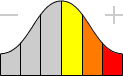
Having spurs and/having plantar fasciitis or having heel pain of unknown cause
Counter Indicators
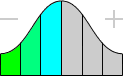
Absence of heel pain
Risk factors for Heel Pain
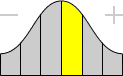
Heel Pain suggests the following may be present
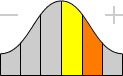
Recommendations for Heel Pain

Conventional Drugs / Information
Cortisone injections should be avoided in the initial treatment of plantar fasciitis; they should be suggested only as supplemental treatment in patients who have resistant chronic plantar fasciitis after achieving adequate biomechanical control. These injections may provide only temporary relief and can cause a loss of the plantar fat pad if used injudiciously.

Physical Therapy
A new stretch is proving quite effective to help treat and potentially cure plantar fasciitis, a condition that affects nearly 2.5 million Americans each year. In a study recently published in Journal of Bone and Joint Surgery, researchers found that patients suffering from the painful heel spur syndrome had a 75% chance of having no pain and returning to full activity within three to six months of performing the stretch. In addition, patients have about a 75% chance of needing no further treatment.
The study is a two-year follow-up on 82 patients with plantar fasciitis, all of whom were part of an original clinical trial of 101 patients in 2003. The patients were taught a new stretch, specifically targeting the plantar fascia, that was developed by Benedict DiGiovanni, M.D., associate professor of orthopaedic surgery at the University of Rochester and author of the study, and Deborah Nawoczenski, P.T., Ph.D., professor of physical therapy at Ithaca College.
The stretch requires patients to sit with one leg crossed over the other, and stretch the arch of the foot by taking one hand and pulling the toes back toward the shin for a count of 10. The exercise must be repeated 10 times, and performed at least three times a day, including before taking the first step in the morning and before standing after a prolonged period of sitting. More than 90% of the patients were totally satisfied or satisfied with minor reservations, and noted distinct decrease in pain and activity limitations. The most common cause of heel pain, plantar fasciitis occurs when the plantar fascia, the flat band of tissue that connects your heel bone to your toes, is strained, causing weakness, inflammation and irritation. Common in middle-aged people as well as younger people who are on their feet a lot, like athletes or soldiers, people with plantar fasciitis experience extreme pain when they stand or walk. Plantar fasciitis can be a frustrating experience, as the chronic cycle of reinjury and pain can last for up to one year. DiGiovanni likens it to pulling a hamstring, and continuing to run without proper stretching. “Walking without stretching those foot tissues is just re-injuring yourself,” he said.
Most physicians will recommend a non-surgical approach to treating plantar fasciitis, advising a regimen of anti-inflammatory medications, foot inserts, and stretches. Surgery occurs in about 5% of all cases, and has a 50% success rate of eliminating pain and allowing for full activity.
“Plantar fasciitis is everywhere, but we really haven’t had a good handle on it,” said DiGiovanni. “The condition often causes chronic symptoms and typically takes about nine to 10 months to burn itself out, and for people experiencing this pain, that’s way too long to suffer through it.”
DiGiovanni should know. He’s experienced plantar fasciitis first-hand. Deciding to get some extra exercise on a golf outing one recent afternoon, he carried his clubs around all 18 holes instead of taking an easy-going ride in a golf cart. The next morning, he woke up with severe heel pain, which brought the topic of his study close to home.
“We need to further optimize non-operative treatments prior to considering surgical options,” DiGiovanni said. “If you look at the results of the study, I think we’ve succeeded.” [University of Rochester Medical Center, November 13, 2006]

Physical Supports
When the cause is flat feet, an orthotic support with rear-foot posting and longitudinal arch is effective in reducing the over-pronation and allows the condition to heal. See your podiatrist to have an arch support fitted.
If you have usually high arches, which can also lead to plantar fasciitis, cushion the heel and use shock-absorbing footwear.
The plantar ligaments in your foot are prone to stretching and irritation that cause heel spurs and plantar fasciitis (mid-foot pain), when your arch is left unsupported. A specially designed footware called Z-CoiL Pain Relief Footwear has helped many treat and prevent such problems.
Prolotherapy
Plantar fasciitis is one of the many ligament problems that respond well to prolotherapy treatments.
Key
| Weak or unproven link |
| Strong or generally accepted link |
| Proven definite or direct link |
| Very strongly or absolutely counter-indicative |
| May do some good |
| Highly recommended |
| May have adverse consequences |
Glossary
Plantar Fasciitis
Plantar Fasciitis is an inflammation caused by excessive stretching of the plantar fascia, which can also lead to heel pain, arch pain and heel spurs.
Plantar Fascia
The plantar fascia is a broad band of fibrous tissue which runs along the bottom surface of the foot, attaching at the inside bottom of the heel bone and extending to the forefoot.
Insidious
A symptom or condition of gradual onset or development.
Acute
An illness or symptom of sudden onset, which generally has a short duration.
Bruise
Injury producing a hematoma or diffuse extravasation of blood without breaking the skin.
Excision
Surgical cutting away and/or taking out.
Heel Spurs
Also known as Plantar Fasciitis. There are no visible signs, but symptoms include severe pain on the bottom of the heel after rest (rising from bed or sitting); pulling your 'toes towards your nose' causes pain; firm pressure with the thumb indicates a deep tender spot in or around the middle of the sole of the heel. The plantar fascia is a tight ligament that stretches along the bottom from the heel bone to the ball of the foot. If small fibers of this connective tissue begin to tear away from the heel bone, the body responds by depositing calcium in an attempt to "glue" the detached fibers back on to the heel. Heel spurs ("bone spurs" or calcaneal spurs) can develop if the fascia is continuously under tension, and be reabsorbed by the body or become symptom-free when the tension is released.
Calcium
The body's most abundant mineral. Its primary function is to help build and maintain bones and teeth. Calcium is also important to heart health, nerves, muscles and skin. Calcium helps control blood acid-alkaline balance, plays a role in cell division, muscle growth and iron utilization, activates certain enzymes, and helps transport nutrients through cell membranes. Calcium also forms a cellular cement called ground substance that helps hold cells and tissues together.