While not as severe as menopause, the male version is lengthier, usually lasting 15 to 20 years. About 40% of men in their 40s, 50s and 60s experience some degree of lethargy, depression, increased irritability, mood swings, and difficulty in attaining and sustaining erections that characterize andropause.
The concept of a male andropause has been more controversial than that of the female menopause, with many arguing that it doesn’t exist. Part of the reason for the controversy is that, in contrast to women, men do not have a clear-cut external sign, namely the cessation of menstruation. A man often begins to experience changes in his body somewhere between the ages of 40 and 55. These bodily changes may be accompanied by changes in attitudes and moods. The aging process alone can not be responsible for this problem as well over 40% of males remain sexually active at 70 years of age and beyond.
Typical symptoms
- Fatigue, loss of a sense of well being — 82%
- Joint aches and stiffness of hands — 60%
- Hot flashes, sleep disturbances — 50%
- Depression — 70%
- Irritability and anger — 60%
- Reduced libido — 80%
- Reduced potency — 80%
- Premature aging
- Weight gain
- Changes in hair growth and skin quality
This list sounds familiar to women in menopause because it is the same condition. The relationship between the ovaries, estrogen, the brain, and the pituitary are the same as the relationship between the testes, testosterone, the brain, and the pituitary.
Acute andropause in men is relatively uncommon, compared to acute menopause in women, because testicular function declines gradually in most men. There are a number of other causes, however, for acute testicular failure in adult men and these include: viral infections such as mumps, surgical removal of or surgical injury to the testes and male reproductive tract, diseases when the immune system attacks and destroys the testes such as variations of systemic lupus erythematosis, subtle genetic abnormalities which permit normal adult development but lead to premature testicular failure, generalized vascular diseases such as diabetes, chemotherapy, and pituitary tumors (rare).The second form of this syndrome, while more common, is more insidious since it occurs gradually. It is often confused with male midlife psychological adjustment disorders because it exactly mimics depression in midlife men. Some known contributors to this condition are excessive alcohol consumption, smoking, hypertension, prescription and non-prescription medications, poor diet, lack of exercise, poor circulation, and psychological problems.
Male hormones decline gradually. Testosterone (from the testes), human growth hormone (from the pituitary), and DHEA and androstenedione (from the adrenal gland) levels all begin to drop. For many men this does not occur until their 60s or 70s but there are others where it occurs much earlier. In addition, there are proteins in the blood which bind testosterone into a biologically inactive form – sex hormone binding proteins or globulins. Their levels can rise in response to many conditions including medical disorders and exposure to other hormones such as phytoestrogens (estrogens derived from plant sources such as soy) and environmental estrogen-like compounds (pesticides, hormones used in agribusiness to produce fatter animals, etc.) As an example, there is some data suggesting that men on low fat or vegetarian diets have lower testosterone levels. The overall effect of rising sex hormone binding proteins is that there is less bio-available testosterone.
Diagnosis
The diagnosis is simple – measuring either free testosterone blood levels or computing the Free Androgen Index (FAI) which is . There is some controversy as to what level of total blood testosterone in men is normal with low end values ranging from 250-400ng/dl. Free testosterone in men should be well within the range of 300-1100ng/dl with the FAI between 70-100%. At a FAI of less than 50%, symptoms of andropause appear.
Risks of replacement therapy
Though often suggested, there is no evidence in the medical literature that testosterone replacement therapy increases the risk of prostate cancer. Men using synthetic testosterone supplementation should have their serum lipids carefully evaluated and rechecked periodically. Using a natural testosterone is safer than using a synthetic form, but may require the transdermal route of administration.
As a general principle, whenever any hormone is administered, the gland which normally produces it ceases to function and recovery when therapy stops can be variable. Patients with borderline low testosterone levels may be committing themselves to lifelong therapy if they start with testosterone replacement.
Benefits of replacement therapy
There is no doubt that the administration of testosterone to men with true testosterone deficiency will improve their health and sense of well being. The symptoms listed above should disappear. Unfortunately impotence, or the inability to sustain and erection, does not respond well to testosterone therapy except perhaps in men with severe hormone deficiencies. This comprises approximately 8-16% of men presenting themselves to physicians with erectile disorders. There is no evidence that administering testosterone to men with borderline low testosterone levels will improve sexual functioning, although libido may be enhanced.
For more insight, The Testosterone Syndrome, by Eugene Shippen, M.D. and William Fryer, provides a persuasive argument in favor of hormone modulation in the male andropause.
Signs, symptoms & indicators of Andropause/Male Menopause
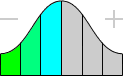
Having normal/having high testosterone levels
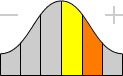
Constant fatigue
Fatigue on light exertion
Lethargy and lack of vitality are early signs that your anti-aging hormones (such as testosterone) are diminishing.
Counter Indicators
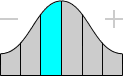
(No) history of fatigability
Not having constant fatigue
Impatient/hostile disposition
Irritability
Long-term memory failure
Joint pain/swelling/stiffness
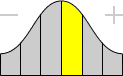
Being a light sleeper
Conditions that suggest Andropause/Male Menopause
General Weakness
The sensation of weakness, especially muscle weakness, may be due to the loss of muscle mass seen in andropause.
Erectile Dysfunction (ED, Impotence)
Impotence or erectile dysfunction is one of the most common symptoms of andropause.
Risk factors for Andropause/Male Menopause
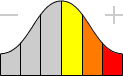
Having normal/having elevated free testosterone
Recent unexplained weight gain
Counter Indicators
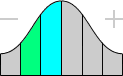
Recent unexplained weight loss
Absence of long-term memory failure
Recommendations for Andropause/Male Menopause

Tribulus (Tribulus terrestris)
Administration of tribestan, an extract of Tribulus, leads to increased muscle mass during exercise by activating an enzyme associated with energy metabolism. It has also been reported to increase the body’s natural testosterone and lutenizing hormone (LH) levels. With the increase of testosterone it has helped to alleviate some symptoms associated with male menopause.

Diindolylmethane DIM / Indole 3 Carbinol IC3
In men, there is a new appreciation of the effects of changing estrogen metabolism with aging, now identified as andropause. Diindolylmethane (DIM) is a stable indole found in cruciferous vegetables, and is a compound of interest for both men and women. German researchers have clearly documented a dramatic, aging-related accumulation of estrogen in human prostate glands. This work correlated age, estrogen accumulation, and the presence of benign prostatic hypertrophy. This underscores the role of estrogen as a growth promoting hormone in men as well as women. Tissue accumulation of estrogen is a unique hallmark of andropause, distinct from estrogen deficiency which characterizes menopause. Recent work shows that estradiol, the active form of estrogen, provokes increases in prostate specific antigen (PSA) production in human prostate tissue. This increase in PSA is as great as that seen with testosterone. Increased PSA production was specifically inhibited by 2-methoxyestradiol, the beneficial estrogen metabolite whose production is promoted by DIM.
Accumulation of estrogen during andropause is amplified by obesity since fat tissue is the site of conversion of both testosterone and DHEA into estrogen. In case control studies, higher levels of circulating estrogen predict the degree of prostate enlargement. More importantly, increased estrogen levels have been repeatedly noted as a risk factor for early atherosclerosis and heart attack. The risks of elevated estrogen in men further correlate to decreased ability to dissolve blood clots. The specific deficiency in men of an active, beneficial metabolism of estrogen leading to 2-methoxy estrogens would explain many, if not all, of these observations.
In studies culturing human vascular endothelial cells (HUVEC), it has been shown that 2-methoxy estradiol is a primary regulator of cell growth and apoptosis. Active and regulated apoptosis may contribute to the prevention of atherosclerotic plaque formation. At the basic level of lipoprotein status, 2-hydroxy and 2-methoxy estrogens are powerful antioxidants. In recent experiments, these metabolites, whose production is promoted by DIM (diindolylmethane), have been shown to prevent the oxidation of human lipoproteins. Lipoprotein oxidation is now accepted as an early, initiating event in atherosclerosis … While it remains to be demonstrated through intervention studies that diindolylmethane supplementation can slow the progression of prostate disease and atherosclerosis, it is clear that DIM supplementation in men can beneficially shift estrogen metabolism. – Michael A. Zeligs, M.D.
Test / Monitor Hormone levels
Hormone testing and replacement will help to reduce symptoms and prevent the consequences associated with premature hormone reductions seen in male menopause. If levels are found to be low, testosterone replacement is recommended, especially if LH or PSA is elevated and the prostate enlarged. [Int J Androl 2002 April; 25(2): pp. 119-25]
Key
| Weak or unproven link |
| Strong or generally accepted link |
| Proven definite or direct link |
| Weakly counter-indicative |
| Strongly counter-indicative |
| Very strongly or absolutely counter-indicative |
| Likely to help |
| Highly recommended |
Glossary
Menopause
The cessation of menstruation (usually not official until 12 months have passed without periods), occurring at the average age of 52. As commonly used, the word denotes the time of a woman's life, usually between the ages of 45 and 54, when periods cease and any symptoms of low estrogen levels persist, including hot flashes, insomnia, anxiety, mood swings, loss of libido and vaginal dryness. When these early menopausal symptoms subside, a woman becomes postmenopausal.
Estrogen
One of the female sex hormones produced by the ovaries.
Pituitary
The pituitary gland is small and bean-shaped, located below the brain in the skull base very near the hypothalamus. Weighing less than one gram, the pituitary gland is often called the "master gland" since it controls the secretion of hormones by other endocrine glands.
Testosterone
The principal male sex hormone that induces and maintains the changes that take place in males at puberty. In men, the testicles continue to produce testosterone throughout life, though there is some decline with age. A naturally occurring androgenic hormone.
Acute
An illness or symptom of sudden onset, which generally has a short duration.
Immune System
A complex that protects the body from disease organisms and other foreign bodies. The system includes the humoral immune response and the cell-mediated response. The immune system also protects the body from invasion by making local barriers and inflammation.
Diabetes Mellitus
A disease with increased blood glucose levels due to lack or ineffectiveness of insulin. Diabetes is found in two forms; insulin-dependent diabetes (juvenile-onset) and non-insulin-dependent (adult-onset). Symptoms include increased thirst; increased urination; weight loss in spite of increased appetite; fatigue; nausea; vomiting; frequent infections including bladder, vaginal, and skin; blurred vision; impotence in men; bad breath; cessation of menses; diminished skin fullness. Other symptoms include bleeding gums; ear noise/buzzing; diarrhea; depression; confusion.
Chemotherapy
A treatment of disease by any chemicals. Used most often to refer to the chemical treatments used to combat cancer cells.
Insidious
A symptom or condition of gradual onset or development.
Hypertension
High blood pressure. Hypertension increases the risk of heart attack, stroke, and kidney failure because it adds to the workload of the heart, causing it to enlarge and, over time, to weaken; in addition, it may damage the walls of the arteries.
Hormones
Chemical substances secreted by a variety of body organs that are carried by the bloodstream and usually influence cells some distance from the source of production. Hormones signal certain enzymes to perform their functions and, in this way, regulate such body functions as blood sugar levels, insulin levels, the menstrual cycle, and growth. These can be prescription, over-the-counter, synthetic or natural agents. Examples include adrenal hormones such as corticosteroids and aldosterone; glucagon, growth hormone, insulin, testosterone, estrogens, progestins, progesterone, DHEA, melatonin, and thyroid hormones such as thyroxine and calcitonin.
DHEA
Dehydroepiandrosterone (DHEA) is a steroid produced by the adrenal glands and is the most abundant one found in humans. DHEA may be transformed into testosterone, estrogen or other steroids. It is found in the body as DHEA or in the sulfated form known as DHEA-S. One form is converted into the other as needed.
Protein
Compounds composed of hydrogen, oxygen, and nitrogen present in the body and in foods that form complex combinations of amino acids. Protein is essential for life and is used for growth and repair. Foods that supply the body with protein include animal products, grains, legumes, and vegetables. Proteins from animal sources contain the essential amino acids. Proteins are changed to amino acids in the body.
Androgen
Any steroid hormone that increases male characteristics.
ng
Nanogram: 0.000000001 or a billionth of a gram.
Prostate
The prostate gland in men that surrounds the neck of the bladder and the urethra and produces a secretion that liquefies coagulated semen.
Cancer
Refers to the various types of malignant neoplasms that contain cells growing out of control and invading adjacent tissues, which may metastasize to distant tissues.
Serum
The cell-free fluid of the bloodstream. It appears in a test tube after the blood clots and is often used in expressions relating to the levels of certain compounds in the blood stream.
Lipid
Fat-soluble substances derived from animal or vegetable cells by nonpolar solvents (e.g. ether); the term can include the following types of materials: fatty acids, glycerides, phospholipids, alcohols and waxes.