This subgroup of PMS is characterized by weight gain (greater than three pounds), abdominal bloating and discomfort, breast congestion and mastalgia, and the occasional swelling of the face, hands and ankles. These symptoms are due to an increased extracellular fluid volume which is in turn due to an excess of aldosterone which causes increased fluid retention.
Aldosterone excess during the luteal phase of PMS-H patients may arise due to any of the following factors:
- Stress – aldosterone is secreted by the adrenal cortex under the control of ACTH, which is secreted by the pituitary in response to stress, high serotonin levels and angiotensin II
- Estrogen Excess – estrogen increases hepatic excretion and production of angiotensinogen, the precursor to angiotensin II
- Dopamine Deficiency – a relative dopamine deficiency has been demonstrated in PMS-H patients. Dopamine suppresses aldosterone formation in the adrenal glands and, in the kidneys, is naturetic and diuretic.
Signs, symptoms & indicators of Premenstrual Syndrome PMS H (Heaviness)
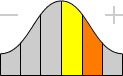
Premenstrual/premenstrual bloating/ weight gain or premenstrual abdominal bloating
Breast soreness during cycle
Counter Indicators
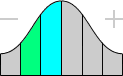
No premenstrual bloating/weight gain
Conditions that suggest Premenstrual Syndrome PMS H (Heaviness)
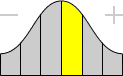
Being/being post menopausal
Recommendations for Premenstrual Syndrome PMS H (Heaviness)

Magnesium
A deficiency in magnesium causes hyperplasia of the adrenal cortex, elevated aldosterone levels, and increased extracellular fluid volume. Aldosterone increases the urinary excretion of magnesium; hence, a positive feedback mechanism results, which is aggravated since there is no renal mechanism for conserving magnesium.
In laboratory animals, a pyridoxine deficiency at the renal level decreases the kidneys’ ability to secrete sodium. In addition, since pyridoxine requires magnesium for phosphorylation to its active form, a magnesium deficiency can lead to decreased B6 activity. Increased insulin secretion, in response to sugar consumption, results in sodium retention that is independent of aldosterone.
Salt Intake Reduction
Reducing salt intake can help in cases of PMS-H.
Key
| Weak or unproven link |
| Strong or generally accepted link |
| Strongly counter-indicative |
| Likely to help |
Glossary
Premenstrual Syndrome
PMS consists of various physical and/or emotional symptoms that occur in the second half of the menstrual cycle, after ovulation. The symptoms begin about midcycle, are generally the most intense during the last seven days before menstruation and include: acne; backache; bloating; fatigue; headache; sore breasts; changes in sexual desire; depression; difficulty concentrating; difficulty handling stress; irritability; tearfulness.
Aldosterone
A steroid hormone secreted by the adrenal cortex that regulates the salt and water balance in the body.
Pituitary
The pituitary gland is small and bean-shaped, located below the brain in the skull base very near the hypothalamus. Weighing less than one gram, the pituitary gland is often called the "master gland" since it controls the secretion of hormones by other endocrine glands.
Serotonin
A phenolic amine neurotransmitter (C10H12N2O) that is a powerful vasoconstrictor and is found especially in the brain, blood serum and gastric membranes of mammals. Considered essential for relaxation, sleep, and concentration.
Estrogen
One of the female sex hormones produced by the ovaries.
Dopamine
A neurohormone; precursor to norepinephrine which acts as a stimulant to the nervous system.
Diuretic
An agent increasing urine flow, causing the kidneys to excrete more than the usual amount of sodium, potassium and water.