There are two main types of diabetic retinopathy: non-proliferative and proliferative.
Non-proliferative diabetic retinopathy is characterized by leakage from small retinal blood vessels (capillaries). This leakage permits protein to accumulate in the retina causing the retina to become swollen or “waterlogged” . If this swelling occurs in the macula (area of central vision), sight may be significantly diminished. Retinal capillaries may also become closed off resulting in poor retinal nutrition. Loss of circulation to the macula can result in severe loss of central vision.
Proliferative diabetic retinopathy occurs when widespread impairment of retinal nutrition results from capillary leakage and closure. The poorly nourished retina then sends out some type of chemical distress signal that causes new blood vessels to bud and grow (proliferate) on the retinal surface. Unfortunately these new blood vessels are very fragile and usually rupture, permitting bleeding to occur within the eye. Scar tissue may grow around the abnormal blood vessels and lead to pulling on the retina, causing retinal detachment and possible permanent blindness. The proliferative form of diabetic retinopathy is present in approximately 20% of patients with diabetes of ten years’ duration.
Risk factors for Retinopathy
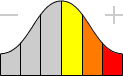
Poorly controlled diabetes
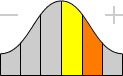
Reasonably controlled diabetes
Uncontrolled diabetes can cause retinopathy, a progressive disease that can lead to complete blindness. The most effective course of prevention and treatment is to control the underlying disease. If you have diabetes, see your ophthalmologist annually and maintain good control of your blood sugar.
Recommendations for Retinopathy


Surgery
Proliferative retinopathy is treatable in many cases by laser beam (photocoagulation), which stops the fragile blood vessels from leaking.
Key
| Strong or generally accepted link |
| Proven definite or direct link |
| May do some good |
| Highly recommended |
Glossary
Retinopathy
An eye disorder that does not cause inflammation but results from changes in the eye (retinal) blood vessels.
Diabetes Mellitus
A disease with increased blood glucose levels due to lack or ineffectiveness of insulin. Diabetes is found in two forms; insulin-dependent diabetes (juvenile-onset) and non-insulin-dependent (adult-onset). Symptoms include increased thirst; increased urination; weight loss in spite of increased appetite; fatigue; nausea; vomiting; frequent infections including bladder, vaginal, and skin; blurred vision; impotence in men; bad breath; cessation of menses; diminished skin fullness. Other symptoms include bleeding gums; ear noise/buzzing; diarrhea; depression; confusion.
Diabetic Retinopathy
A disorder of the blood vessels in the retina of the eye, resulting in broken blood vessels in the eye. The disorder occurs most often in patients with long-term, poorly controlled diabetes. Repeated bleeding may result in partial or complete blindness.
Retina
A 10-layered, frail nervous tissue membrane of the eye, parallel with the optic nerve. It receives images of outer objects and carries sight signals through the optic nerve to the brain.
Protein
Compounds composed of hydrogen, oxygen, and nitrogen present in the body and in foods that form complex combinations of amino acids. Protein is essential for life and is used for growth and repair. Foods that supply the body with protein include animal products, grains, legumes, and vegetables. Proteins from animal sources contain the essential amino acids. Proteins are changed to amino acids in the body.
Capillary
Any of the smallest blood vessels connecting arterioles with venules and forming networks throughout the body.
Scar Tissue
Fibrous tissue replacing normal tissues destroyed by injury or disease.