Parasites are micro-organisms which live in the intestines. Some cause symptoms while others can live for long periods in the bowel without causing symptoms or requiring treatment. However, the long term presence of parasites may contribute to the development of food allergies.
Some intestinal parasites can cause symptoms such as loose foul-smelling stools, diarrhea, mucous in stools, abdominal cramps and gas. These symptoms may last for weeks and return several times a year. Other parasites are nearly harmless (at least in small quantities) and often don’t cause symptoms. In North America and Europe, parasites rarely cause serious complications. The incidence of parasite infection is both overestimated and underestimated, depending on who you are listening to. If you have symptoms suggesting their presence, you should be carefully and even repeatedly tested, if necessary.
If you have parasites, you can reduce the likelihood of passing them on to others by carefully washing your hands after having bowel movements and cleaning the genital area before having sex.
Signs, symptoms & indicators of Parasite Infection
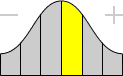
Macrocytic red cells
Fish tapeworm infestation can cause large red blood cells.

History of/current GI infection/parasite
Counter Indicators
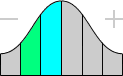
No history of traveler's sickness
Dark areas under eyes
Conditions that suggest Parasite Infection
Anemia (Iron deficiency)
Different types of parasites can cause a deficiency of vitamin A, vitamin B12, and iron.
Anemia, Megaloblastic
Different types of parasites can cause a deficiency of vitamin A, vitamin B12, and iron.
Dysbiosis, Bacterial
Small bowel parasites may predispose a person to bacterial overgrowth in the small intestine.
Vitamin A Requirement
Different types of parasites can cause a deficiency of vitamin A, vitamin B12, and iron.
Having a recent parasite
Counter Indicators
No known recent parasite history
Risk factors for Parasite Infection
History of dysentary
Parasite Infection can lead to
Vitamin A Requirement
Different types of parasites can cause a deficiency of vitamin A, vitamin B12, and iron.
Recommendations for Parasite Infection

Herbal Combinations
Anti-parasite drugs are powerful and can cause gastrointestinal problems. In mild parasite infections one can consider a more natural approach and use less toxic, nonprescription items. Some savory/culinary herbs can be used to kill intestinal parasites. Ginger is known to kill roundworms, one of the most common intestinal parasites, as well as a number of other common parasites. Various studies show that thyme and summer savory destroy hookworms and roundworms, and that rosemary, chamomile, elecampane and gentian kill many types of intestinal worms and also decrease intestinal inflammation. There may be combinations of these herbs available in your local health food store.

Wormwood
Artemesia annua has primarily been used for treatment of protozoan infection. The most active ingredient, artemisinin, is a potent prooxidant whose activity is enhanced by polyunsaturated fats such as cod liver oil and antagonized by vitamin E. Artemisinin is used intravenously in Southeast Asia for the treatment of cerebral malaria; it has no known side-effects except for induction of abortion when used at high doses in pregnant animals.
Pumpkin Seeds
Curcurbitin is a constituent in pumpkin seeds that has shown anti-parasitic activity in the test tube. Human trials conducted in China have shown pumpkin seeds to be helpful for people with acute schistosomiasis. Preliminary human research conducted in China and Russia has shown pumpkin seeds may also help resolve tapeworm infestations. As a treatment for parasites, 200-400 grams (7-14 ounces) are ground and taken with milk and honey, followed by castor oil two hours later.
Conventional Drugs / Information
When parasites are present and identified, conventional drugs should be considered for their elimination. These may include:
Albendazole (Albenza), Diethylcarbamazine (Hetrazan), Ivermectin (Stromectol), Mebendazole (Vermox), Oxamniquine (Vansil), Praziquantel (Biltricide), Pyrantel (Antiminth, Pin-Rid) and Thiabendazole (Mintezol).
Antibiotics
Sometimes, depending on the organism, conventional antiparasitic drugs may be the most reliable approach to effectively killing the parasite.
Zinc
Tissue damaged by intestinal parasites demonstrates an enhanced recovery rate with adequate zinc intake.
Key
| Weak or unproven link |
| Strong or generally accepted link |
| Strongly counter-indicative |
| May do some good |
| Highly recommended |
Glossary
Parasite
An organism living in or on another organism.
Allergy
Hypersensitivity caused by exposure to a particular antigen (allergen), resulting in an increased reactivity to that antigen on subsequent exposure, sometimes with harmful immunologic consequences.
Diarrhea
Excessive discharge of contents of bowel.
Red Blood Cell
Any of the hemoglobin-containing cells that carry oxygen to the tissues and are responsible for the red color of blood.
Vitamin A
A fat-soluble vitamin essential to one's health. Plays an important part in the growth and repair of body tissue, protects epithelial tissue, helps maintain the skin and is necessary for night vision. It is also necessary for normal growth and formation of bones and teeth. For Vitamin A only, 1mg translates to 833 IU.
Cobalamin
Vitamin B-12. Essential for normal growth and functioning of all body cells, especially those of bone marrow (red blood cell formation), gastrointestinal tract and nervous system, it prevents pernicious anemia and plays a crucial part in the reproduction of every cell of the body i.e. synthesis of genetic material (DNA).
Iron
An essential mineral. Prevents anemia: as a constituent of hemoglobin, transports oxygen throughout the body. Virtually all of the oxygen used by cells in the life process are brought to the cells by the hemoglobin of red blood cells. Iron is a small but most vital, component of the hemoglobin in 20,000 billion red blood cells, of which 115 million are formed every minute. Heme iron (from meat) is absorbed 10 times more readily than the ferrous or ferric form.