The upper surface of the tongue is covered by the taste buds. Viewed microscopically, the papillae look like a forest. Individuals with “black hairy tongue” merely have a taller-than-normal forest of papillae. The extra height comes from an accumulation of keratin, which is the chief protein found in hair and skin. Normally, keratin sloughs continuously and gradually from mucous membranes and skin. In people with black hairy tongue, not enough keratin is sloughed off or too much keratin is being produced at the surface of the tongue.
No one knows for certain what causes black hairy tongue, but there are several well-known associations. Black hairy tongue is fairly common among smokers. It is also sometimes seen following treatment with antibiotics. Other associations with black hairy tongue include radiation therapy to the mouth, poor oral hygiene, frequent use of strong mouthwashes and frequent use of antacids.
In most cases, black hairy tongue is more of a cosmetic problem than a functional problem.
Conditions that suggest Black Tongue
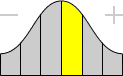
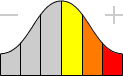
Black tongue
Counter Indicators
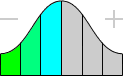
Absence of black tongue
Risk factors for Black Tongue
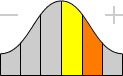
History of black tongue
Black Tongue suggests the following may be present
Recommendations for Black Tongue

Oral Hygiene / Dental Care
Some folks with black hairy tongue also have bad breath and/or a bad taste in the mouth. The usual recommended treatment is to eliminate possible causal factors, and scrape or brush the tongue on a regular basis.
Key
| Weak or unproven link |
| Strong or generally accepted link |
| Proven definite or direct link |
| Very strongly or absolutely counter-indicative |
| May do some good |
Glossary
Protein
Compounds composed of hydrogen, oxygen, and nitrogen present in the body and in foods that form complex combinations of amino acids. Protein is essential for life and is used for growth and repair. Foods that supply the body with protein include animal products, grains, legumes, and vegetables. Proteins from animal sources contain the essential amino acids. Proteins are changed to amino acids in the body.
Mucous Membranes
The membranes, such as the mouse, nose, anus, and vagina, that line the cavities and canals of the body which communicate with the air.
Antacid
Neutralizes acid in the stomach, esophagus, or first part of the duodenum.