Gynecomastia is a common disease of the male breast where there is a benign glandular enlargement of that breast at some time in the male’s life. It usually consists of the appearance of a flat pad of glandular tissue beneath a nipple which becomes tender at the same time. The development may be on one or both breasts. There is rarely a continued growth of the breast tissue; ordinarily the process is of brief duration and stops short of the production of permanent enlargement of the breast.
Gynecomastia is found only in males, and the signs can appear any time in a male’s lifetime. It is the leading breast disorder in males and it accounts for 60% of all disorders of the male breast. About 85% of male breast masses are due to gynecomastia and 40% of the cases affect pubescent boys.. Approximately 40% of normal men and up to 70% of hospitalized men have palpable breast tissue. Active gynecomastia in autopsy data is between 5 and 9%. In one study, more than 80% of hospitalized patients with a body mass index (BMI) of 25 or greater had gynocamastia. About 70% of pubertal males required no treatment. If the threshold for judging that the breast is enlarged is set at 2cm in diameter, the incidence is 32 to 36% in normal aged men 17 to 58 years.Further information on this subject can be found here.
Conditions that suggest Male Gynecomastia
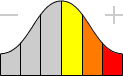
Gynecomastia
Counter Indicators
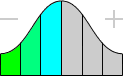
Absence of gynecomastia
Risk factors for Male Gynecomastia
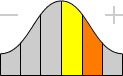
Elevated Estrogen, Male
Higher levels of estrogen and lower levels of free testosterone in males may be associated with pubertal or post-pubertal gynecomastia (male breast enlargement), particularly in older individuals and in patients with chronic liver disease or hyperthyroidism [(Robert K. Murray, MD, Ph.D., Daryl K. Granmer, MD, Peter A. Mayes, Ph.D., D.Sc., Victor W. Fodwell, Ph.D., Harper’s Biochemistry, 25th Edition, Appleton & Lance, Stanford, Connecticut, 2000, Pages 596-597).]
Low Testosterone Level
The basic mechanisms of gynecomastia are a decrease in androgen production, an absolute increase in estrogen production, and an increased availability of estrogen precursors for peripheral conversion to estradiol.
History of gynecomastia
Recommendations for Male Gynecomastia

Alcohol Avoidance
Several studies indicate a potential role for prolactin and estrogen in the pathogenesis for feminization. Male alcoholic patients frequently show evidence of feminization that is manifested by gynecomastia, spider angiomata, palmar erytherma and changes in body hair patterns. Alcoholic men show a positive association between the presence of clinically apparent gynecomastia and elevated circulating levels of prolactin. The gynecomastia found in alcoholic patients is characterized by a proliferation of the stroma and ducts that are known to be estrogen-positive.

Estrogen-balancing Medications
Males with gynecomastia often have an elevation of plasma levels of estrogen which is believed to be due to peripheral conversion of weak adrenal androgens to estrogen.

Testosterone
Gynecomastia is a common condition in athletes who use steroids or testosterone to build muscle. The condition is caused by the aromatization of testosterone into estrogens. Gynecomastia may be avoided through the use of dihydrotestosterone instead of other forms of testosterone. It can actually even be applied as a treatment for gynecomastia. A further advantage of dihydrotestosterone is that increased levels of the hormone are correlated to increased sex drive and increased sexual function.

Melatonin
One case of painful gynecomastia has been reported involving a 56 year old man who had been suffering from amyotrophic lateral sclerosis and was taking 1 to 2mg melatonin per day over a 1 1/2 year period. As the gynecomastia disappeared after melatonin use was discontinued, it was suspected that the melatonin caused this side effect.
Test / Monitor Hormone levels
Estradiol is the growth hormone of the breast, and an excess of estradiol leads to the proliferation of breast tissue. Under normal circumstances, most estradiol in men is derived from the peripheral conversion of testosterone and adrenal estrone. The basic mechanisms of gynecomastia are a decrease in androgen production, an absolute increase in estrogen production, and an increased availability of estrogen precursors for peripheral conversion to estradiol.
Surgery
Often no cause is found for the disorder and the gynecomastia may not resolve on it’s own. In these cases, surgery is frequently the best solution.
Key
| Strong or generally accepted link |
| Proven definite or direct link |
| Very strongly or absolutely counter-indicative |
| May do some good |
| Likely to help |
| Highly recommended |
| May have adverse consequences |
Glossary
Gynecomastia
Occurs when the male breast is enlarged. The size can vary from a slight puffiness to full female-like breasts. It literally means "female-like breasts".
Benign
Literally: innocent; not malignant. Often used to refer to cells that are not cancerous.
Estrogen
One of the female sex hormones produced by the ovaries.
Testosterone
The principal male sex hormone that induces and maintains the changes that take place in males at puberty. In men, the testicles continue to produce testosterone throughout life, though there is some decline with age. A naturally occurring androgenic hormone.
Chronic
Usually Chronic illness: Illness extending over a long period of time.
Hyperthyroidism
An abnormal condition of the thyroid gland resulting in excessive secretion of thyroid hormones characterized by an increased metabolism and weight loss.
pH
A measure of an environment's acidity or alkalinity. The more acidic the solution, the lower the pH. For example, a pH of 1 is very acidic; a pH of 7 is neutral; a pH of 14 is very alkaline.
Androgen
Any steroid hormone that increases male characteristics.