Acupuncture, a practice with roots extending back thousands of years, is gaining modern recognition for its ability to foster healing and wellness. This ancient Chinese method involves the insertion of thin needles into specific points on the body.
By doing so, acupuncture can alleviate pain and promote an overall sense of well-being, addressing both physical and emotional issues.

The science behind acupuncture lies in stimulating the body’s natural painkillers and neurotransmitters, such as endorphins.
Many individuals explore acupuncture for relief from chronic pain, stress, and various health conditions. As understanding grows, you may find it beneficial for both immediate and long-term health goals.
Curiosity often surrounds what to anticipate during an acupuncture session.
Feel calm and at ease as a practitioner guides you through the experience, which is generally smooth and minimally uncomfortable.
Open yourself to the potential benefits this practice might offer and discover how it could complement your personal health journey.
Key Takeaways
- Acupuncture helps alleviate pain and enhances well-being.
- It stimulates the body’s natural painkillers and neurotransmitters.
- Experience a calm session that addresses various health concerns.
Understanding Acupuncture
Acupuncture is a therapeutic practice rooted in ancient Chinese medicine, with a focus on balancing energy within the body. This section examines its foundational principles, the role of Qi as an energy flow, and how meridians contribute to this unique treatment approach.
The Principles of Acupuncture
Acupuncture operates on the principle that the body’s vital energy, known as Qi, circulates through pathways called meridians.
Blockages or imbalances in this energy flow are believed to cause illness or pain. By stimulating specific points along these meridians, acupuncture aims to restore balance and promote healing.
The treatment involves inserting slender needles at precise locations on the body. These needles, traditionally crafted from stainless steel, are inserted to stimulate nerve endings, muscle tissue, and connective tissue.
This stimulation enhances blood flow and triggers the body’s natural painkillers.
Research has shown acupuncture’s effectiveness in alleviating various conditions, primarily due to its ability to influence the nervous system and modulate brain chemistry. For detailed insights into acupuncture’s scientific mechanism, consider exploring How Acupuncture Works Scientifically.
The Concept of Qi and Energy Flow
Qi is a central concept in acupuncture and traditional Chinese medicine. It is often described as an invisible energy that flows through meridians, influencing physical and mental health.
Imbalances or blockages in the flow of Qi are believed to result in disease or discomfort.
The idea is rooted in maintaining equilibrium between opposing forces, known as yin and yang. If these forces are out of balance, it can disrupt Qi flow, impacting health. Acupuncture aims to restore Qi balance, allowing the body’s natural healing processes to function optimally.
Modern interpretations often equate Qi with aspects of biological processes, including electrical energy and chemical reactions. For a comprehensive explanation of these principles, visit Acupuncture – Mayo Clinic.
The Role of Meridians in Acupuncture
Meridians are channels through which Qi flows through the body. Acupuncturists identify specific points on these meridians, known as acupuncture points or acupoints, where needles can be inserted for therapeutic benefits.
There are 12 primary meridians, each corresponding to major organs or functions like the lungs, heart, and kidneys. Acupoints on these meridians serve specific purposes, targeting ailments from pain to stress management.
Mapping these meridians is a crucial aspect of acupuncture training. This intricate network is believed to facilitate optimal energy flow, thereby enhancing the body’s natural healing capabilities. More information can be found at Acupuncture: What To Know – Cleveland Clinic.
Historical Origins of Acupuncture
Acupuncture’s roots stretch back thousands of years, originating in ancient China and experiencing significant evolution over time. Understanding its historical context provides insight into its longstanding role in wellness practices worldwide.
Early Beginnings in Ancient China
Acupuncture began approximately 3000 years ago as part of Traditional Chinese Medicine (TCM). It emerged as an innovative approach to healing, rooted in ancient medical texts.
Early practitioners believed that the human body had an energy flow or “Qi” that circulated through pathways called meridians.
Needles were inserted into specific points to modify the flow of Qi, aiming to balance the body’s energy and relieve pain. This practice was intertwined with beliefs in natural elements and their effects on health. Tied to the larger system of TCM, acupuncture was connected with dietary, herbal, and physical therapies, establishing its place in holistic medical approaches.
Evolution of Acupuncture Practices
Over the centuries, acupuncture practices have evolved. Initially, it involved simple, sharp stones or bones, gradually transitioning to metal needles with advancements in material technology.
The theoretical understanding also deepened, incorporating observations from practitioners across regions, leading to refinements in methods and techniques.
The Han Dynasty significantly contributed to its development, documenting practices in key texts like the “Huangdi Neijing” or “Yellow Emperor’s Classic of Medicine.” These texts systematically outlined meridian pathways and acupuncture points, forming a foundational framework still referenced today. This evolution underscores its adaptability and enduring relevance in treating various health conditions.
Acupuncture in Modern Times
In modern times, acupuncture has gained worldwide acceptance, often integrated with conventional medicine in Western healthcare. Research and clinical trials have further validated its benefits, particularly in pain management and stress relief.
Organizations like the World Health Organization recognize acupuncture’s efficacy in treating diverse conditions.
Today, you might find acupuncture in various settings, from hospitals to wellness clinics, indicating its broad appeal. Techniques have also expanded, incorporating electrical stimulus and laser methods alongside traditional needle insertion to enhance therapeutic effects. This fusion of ancient wisdom with modern innovation exemplifies acupuncture’s dynamic evolution and sustained importance in holistic health practices.
How Acupuncture Promotes Healing

Acupuncture is an ancient practice that aims to heal the body through precise techniques. This method works by activating certain responses in the body, restoring energy balance, and is supported by scientific findings.
Mechanisms of Action
Acupuncture involves inserting thin needles into specific points on the body. These points are believed to stimulate the nervous system, releasing natural chemicals that aid pain relief.
Such chemicals include endorphins and serotonin, which boost mood and reduce stress. Additionally, this practice may enhance blood flow and stimulate the immune system, promoting the body’s self-healing abilities.
By targeting these physiological mechanisms, acupuncture can address ailments ranging from chronic pain to stress-related disorders.
Balancing the Body’s Energy Flow
Traditional Chinese Medicine views acupuncture as a way to restore balance to the body’s energy, or Qi. Practitioners believe that energy flows through pathways called meridians. When Qi becomes blocked, it can lead to various health issues.
By using needles to stimulate specific acupoints, acupuncture seeks to unblock this flow, allowing energy to circulate smoothly. This rebalancing process is thought to restore harmony and support overall well-being. For many, enhancing energy flow results in reduced symptoms and improved health.
The Science Behind Acupuncture
Scientific research on acupuncture has provided insights into its effectiveness. Studies have shown that acupuncture can activate certain areas of the brain and influence brain chemistry, which affects pain perception and emotional regulation.
Research also indicates that acupuncture may reduce inflammation and improve circulation, supporting physical recovery. While some view acupuncture as a complementary therapy, rigorous trials continue to validate its benefits. Evidence from reputable sources, such as Cleveland Clinic, further supports its role in alleviating various conditions.
Benefits of Acupuncture for Various Health Conditions
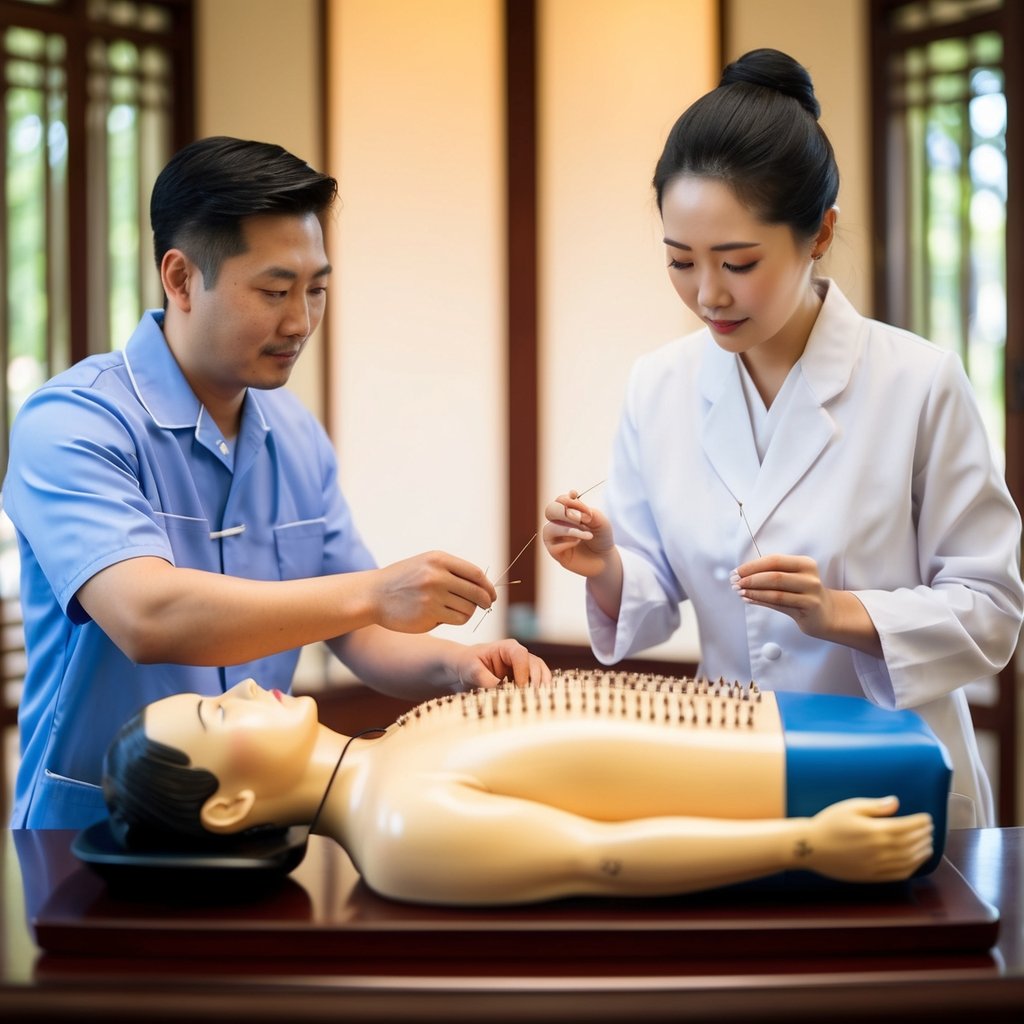
Acupuncture offers a range of therapeutic benefits for conditions such as pain, stress, and digestive issues. It works through specific points in the body to restore balance and improve well-being. Below are the detailed benefits for different health conditions.
Pain Management
Acupuncture can be an effective method for managing various types of pain. It is commonly used to treat chronic back pain and can also address neck and joint discomfort.
Practitioners believe acupuncture stimulates the nervous system, releasing chemicals that alter the perception of pain. This might influence natural painkillers to reduce symptoms.
Using acupuncture for pain management is known for its minimal side effects, making it a suitable option for long-term care. Whether you’re dealing with acute pain or long-standing issues, acupuncture may offer relief by targeting the root cause.
Stress and Anxiety Relief
Acupuncture is also used for alleviating stress and anxiety by modulating the body’s stress response. By inserting needles at specific meridian points, acupuncture helps calm the mind.
This process aids in reducing stress hormones like cortisol. Some people find this practice helps shift the body from ‘fight or flight’ to a more relaxed state, fostering mental well-being.
Furthermore, acupuncture can complement other therapies such as counseling or medication, offering a holistic approach to mental health. It’s often part of a comprehensive strategy to tackle both physical and emotional aspects of stress and anxiety.
Enhancing Immune Function
Acupuncture is believed to improve immune function by enhancing the body’s natural defenses. Stimulating certain points can promote the production of immune cells and improve circulation.
This process boosts the body’s ability to fend off infections and may reduce the severity and frequency of colds and other common illnesses.
For seasonal allergies or frequent colds, acupuncture can be a useful adjunctive therapy to strengthen your immune system. It encourages the body to maintain a balanced internal environment, supporting overall health and vitality.
Supporting Digestive Health
When it comes to digestive health, acupuncture can address conditions like irritable bowel syndrome, heartburn, and constipation.
By regulating the digestive tract and improving its functions, acupuncture targets symptoms such as bloating and abdominal pain.
Practitioners focus on stimulating energy flow in organs related to digestion. This helps normalize stomach acid production and motility in the intestines. Through these targeted techniques, people often experience improved digestion and nutrient absorption.
Incorporating acupuncture into your healthcare routine may offer a complementary approach to managing digestive disorders effectively.
What to Expect During an Acupuncture Session

When you attend an acupuncture session, you’ll undergo an initial consultation, experience the acupuncture procedure, and receive advice on post-session care. Each step is essential for ensuring a beneficial experience and utilizing the therapy’s full potential.
Initial Consultation and Assessment
Your first visit usually begins with a detailed consultation. The acupuncturist will ask questions about your medical history, lifestyle, and specific health concerns. This helps identify which areas need focus.
They may examine your tongue, feel your pulse, or observe other physical attributes. These assessments help determine the energy imbalances and areas to target during the session using traditional Chinese medicine principles.
A customized treatment plan is created, focused on addressing your specific needs and concerns, ensuring a personalized approach to your wellness.
The Acupuncture Procedure
During the procedure, you’ll lie down on a treatment table, depending on the areas being treated. The acupuncturist inserts very thin needles into your skin at various points known as acupoints.
These are strategically selected based on your condition to help restore balance to your body’s energy, also referred to as qi.
You might feel a slight tingling or pressure initially, but it is usually not painful. The needles remain in place for about 20 to 30 minutes, during which you may feel a deep sense of relaxation.
Post-Session Care and Recommendations
After the session, you might be advised to rest and hydrate. It’s common to feel relaxed, and some experience a sense of rejuvenation.
Your acupuncturist might provide specific recommendations for activities or dietary adjustments to support your treatment. Avoiding strenuous activities immediately after the session can help your body continue to balance and heal itself quietly.
It is also important to communicate any immediate sensations or concerns with your acupuncturist. Regular sessions might be recommended for chronic conditions to achieve lasting benefits.
Conclusion
Acupuncture is a time-honored practice with origins in traditional Chinese medicine. It involves inserting thin needles into specific points on the body. This method is believed to stimulate various physiological processes.
The practice has gained recognition for its potential in managing pain. It is also increasingly noted for its role in supporting general wellness and stress relief.
Research indicates that acupuncture may affect the central nervous system, which can release chemicals that may aid in recovery.
By targeting these specific acupuncture points, you might experience relief from chronic pain or reduced dependency on medication.
While you may have heard about the concept of Qi and the meridians, acupuncture’s ability to restore balance and promote healing remains an intriguing area of exploration.
In addition, some studies suggest that acupuncture may unblock Qi stagnation, allowing for improved energy flow and overall well-being.
Acupuncture can be a beneficial component of a holistic health plan. It’s advisable to consult with a qualified practitioner to determine the best approach for your needs.
If you’re considering acupuncture, ensure you receive treatment from a certified professional. This consideration is crucial for maximizing potential benefits and ensuring safety.
Acupuncture’s appeal lies in its potential to enhance health through a minimally invasive approach. Whether seeking relief from chronic conditions or promoting overall wellness, acupuncture continues to be an appealing option for many.
Frequently Asked Questions
Acupuncture offers a range of benefits and considerations. It can help manage pain and contribute to overall health, though individual experiences may vary. Understanding both the advantages and challenges can provide a clearer perspective.
What are the potential disadvantages of undergoing acupuncture treatment?
While many find acupuncture beneficial, you may experience mild side effects. These can include slight bruising or soreness at needle sites. In rare instances, improper needle use might lead to infection, highlighting the importance of seeking treatment from a qualified practitioner.
Can you elaborate on the top benefits of acupuncture for health and well-being?
Acupuncture is known to relieve stress, reduce chronic pain, and improve overall well-being. Specifically, it can aid in balancing energy flow and alleviate symptoms of various conditions. Its role in restoring body balance helps enhance vitality and mental clarity.
In what ways does acupuncture alleviate different types of pain?
Acupuncture is effective in reducing pain intensity and can promote faster recovery. This is achieved by stimulating nerves and muscles, boosting blood flow, and releasing natural painkillers in the body. It is frequently used for back pain, migraines, and arthritis.
What are the signs that indicate the effectiveness of acupuncture therapy?
Signs that acupuncture therapy is effective can include decreased pain levels, improved sleep, and enhanced mood. You may notice changes like increased energy and reduced symptoms of stress. Regular sessions may result in long-term improvements in health and function.
Is acupuncture treatment associated with discomfort or pain?
Most people report minimal discomfort during acupuncture, with the needle insertion often being painless. You may feel a slight tingling or warmth, signaling the body’s response to therapy. Ensuring a skilled practitioner is crucial for a comfortable experience.
How does the scope of ailments treatable by acupuncture compare to other medical interventions?
Acupuncture can treat a variety of conditions, from chronic pain to stress-related disorders, offering a holistic approach. While it supports conventional treatments, it may not replace medical interventions.
It is best used as part of a comprehensive care plan tailored to your needs.