Herbal medicine, often referred to as nature’s pharmacy, offers potent solutions for everyday ailments by utilizing the healing properties of plants.
You can find natural remedies for common conditions through the strategic use of herbs such as chamomile, ginger, and aloe vera. These herbs have been used for centuries to support health, offering a holistic alternative to conventional medicine.
You might be surprised to discover that your kitchen already holds a treasure trove of natural remedies.
Everyday ingredients like ginger, turmeric, and lavender are not only flavorful but also beneficial in treating minor health issues. By harnessing these natural wonders, you can take a proactive approach to your wellness.
To make the most of herbal medicine, it’s essential to understand the specific benefits and applications of each herb.
Safety and efficacy should always be prioritized, ensuring you incorporate these remedies effectively into your daily routine.
Key Takeaways
- Harness herbal medicine for common ailments.
- Incorporate herbs safely into daily life.
- Learn specific benefits of various herbs.
Understanding Herbal Medicine
Exploring the roots and distinct characteristics of herbal medicine can offer insight into its unique role in health care.
Historical practices, differences from conventional methods, and scientific development all shape how herbal remedies are used today.
The History of Herbal Medicine
Herbal medicine, or phytotherapy, has a rich history spanning thousands of years. Ancient civilizations like the Egyptians, Chinese, and Native Americans utilized plants for healing.
Texts such as the Ebers Papyrus from Egypt document herbal practices from as far back as 1500 BCE. In Asia, Traditional Chinese Medicine and Ayurveda have long used herbs like ginger and turmeric for their medicinal properties.
Over time, these ancient traditions have influenced modern practices, merging with newer scientific approaches to become a vital part of global health care systems.
How Herbal Medicine Differs from Conventional Medicine
Herbal medicine uses natural plant substances to treat various health issues, contrasting with conventional medicine that often relies on synthesized drugs.
Herbs like echinacea and chamomile serve as alternatives to chemicals for managing health conditions. These remedies emphasize holistic treatment, focusing on overall wellness rather than targeting specific symptoms.
Conventional medicine typically follows rigorous standardization and controlled testing, whereas herbal remedies have flexible dosages and methods due to variations in plant sources. Integration of both medical forms can provide a more comprehensive approach to care, as thoroughly discussed here.
The Science Behind Herbal Remedies
Scientific research into herbal remedies explores their therapeutic efficacy and underlying mechanisms.
For example, turmeric is studied for its anti-inflammatory properties, and aloe vera for skin healing capabilities. Research also investigates standardization techniques to ensure consistency in herbal products.
Breakthroughs in technology aid in enhancing the effectiveness and safety of these remedies. This integration of science and tradition helps in validating the use of herbs, ensuring they are both safe and beneficial for modern health challenges.
Common Herbs And Their Healing Properties
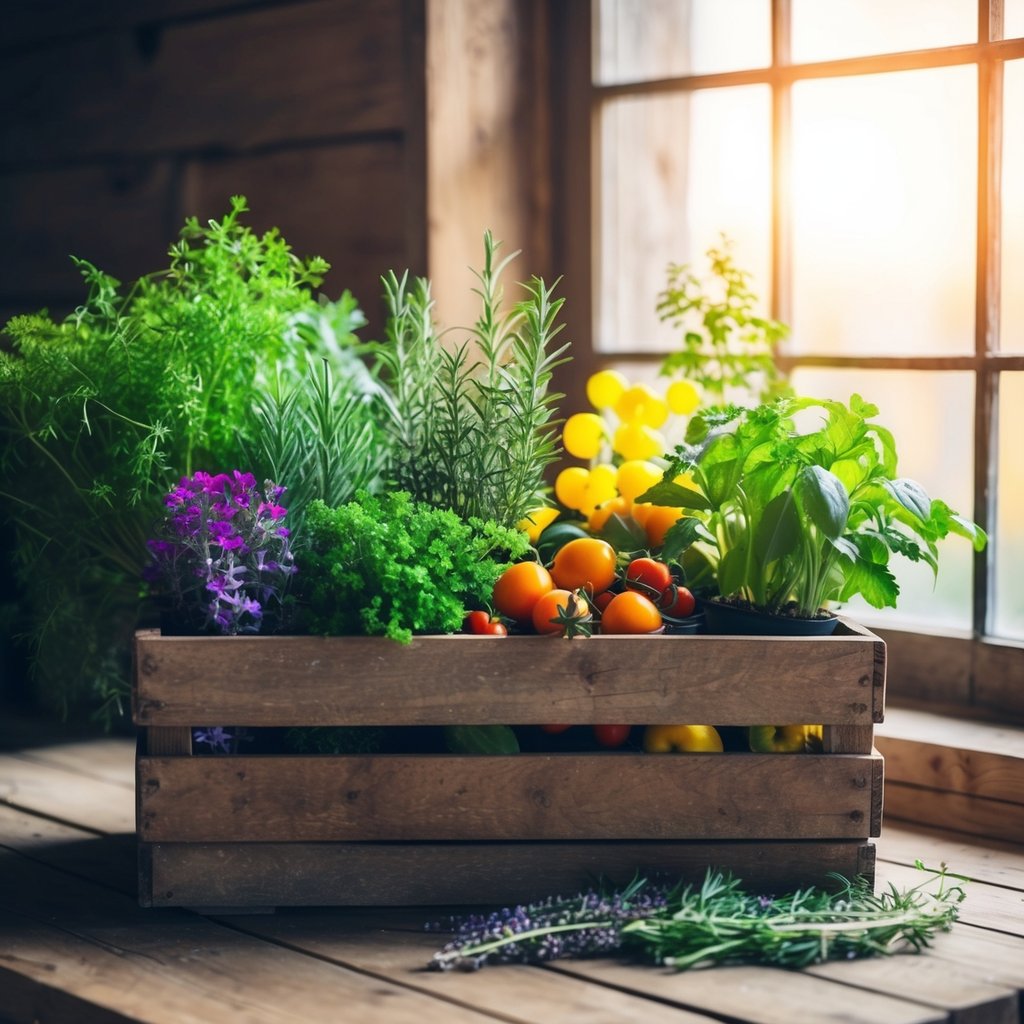
Exploring herbal medicine offers insights into the unique healing properties of common herbs. Aloe vera is renowned for its skin-soothing and digestive benefits, while echinacea is widely utilized for immune system support.
Ginger serves as both an anti-inflammatory and a digestive aid. Peppermint provides relief from digestive issues and headaches, and turmeric is celebrated for its anti-inflammatory and antioxidant effects.
Aloe Vera: Skin and Digestive Health
Aloe vera is cherished for its versatility in promoting skin and digestive health. Its gel, found within the leaves, can be directly applied to the skin to help heal burns, wounds, and irritations due to its antimicrobial and anti-inflammatory properties. Beyond topical uses, it is also advantageous for digestive health.
Consuming small amounts of aloe vera juice may relieve constipation and improve digestion. Additionally, it can help soothe stomach ulcers and reduce symptoms of gastroesophageal reflux disease (GERD). When using aloe vera for internal purposes, moderation is crucial, and ensuring the product is free from aloin, a compound with potential adverse effects, is important.
Echinacea: Immune System Support
Echinacea, a flowering plant commonly used as a herbal supplement, is valued for its ability to support the immune system. Its extracts and supplements are believed to reduce the duration of colds and respiratory infections by boosting immune activity.
The active compounds, such as alkamides and phenolic acids, may increase the body’s defense mechanisms against infections. Though it offers potential benefits, individuals with allergies to plants like ragweed should use echinacea cautiously. Also, it may not be suitable for people with certain autoimmune disorders. Consistent use during the cold season is widely practiced to enhance your body’s resilience against common illnesses.
Ginger: Anti-inflammatory and Digestive Aid
Ginger is a powerful herb best known for its anti-inflammatory and digestive properties. Its primary compound, gingerol, possesses potent anti-inflammatory effects that help reduce symptoms associated with arthritis and joint pain. It is also a popular remedy for nausea and motion sickness, as it can calm the stomach effectively.
Incorporating ginger into your diet, whether through tea, capsules, or as a spice in meals, can also enhance digestion and reduce bloating. It has been shown to be beneficial in alleviating menstrual pain and migraine headaches due to its pain-relieving action. Regular consumption of ginger is linked to lower risks of chronic inflammatory conditions.
Peppermint: Relief for Digestive Issues and Headaches
Peppermint is widely used to alleviate digestive disorders and headaches. Its active ingredient, menthol, relaxes gastrointestinal tissues, making it effective against irritable bowel syndrome (IBS) symptoms. Consuming peppermint tea or using enteric-coated capsules promotes digestive ease and reduces bloating and gas.
Moreover, peppermint oil applied topically can relieve tension headaches and migraines. Its cooling effect soothes achy muscles and acts quickly to alleviate discomfort. When using peppermint in capsule form, it’s important to choose enteric-coated options to ensure proper absorption in the intestines, not the stomach.
Turmeric: Anti-inflammatory and Antioxidant Benefits
Turmeric, especially its active compound curcumin, is renowned for its powerful anti-inflammatory and antioxidant benefits. This golden spice can alleviate inflammation-related conditions such as arthritis, due to its ability to inhibit inflammatory pathways in the body.
The antioxidant properties also combat oxidative stress, reducing the risk of chronic diseases. Adding turmeric to your diet in spice form or as a supplement can support joint health and enhance your overall well-being. Pairing turmeric with black pepper, which contains piperine, enhances curcumin absorption, maximizing its benefits. Regular use may also aid in maintaining cognitive and cardiovascular health.
Practical Applications of Herbal Medicine
Herbal medicine offers numerous ways to address everyday health concerns. From soothing teas to topical solutions for skin issues, medicinal herbs provide natural alternatives. Beyond these uses, herbal supplements can support your immune system, and essential oils play a role in aromatherapy.
Herbal Teas for Everyday Health
Herbal teas are an approachable way to incorporate natural remedies into your daily routine. Infusions like chamomile and peppermint can soothe digestion and reduce stress, making them popular choices for evening relaxation.
Green tea, with its high antioxidant content, is often consumed to improve overall well-being and enhance cognitive functions.
You might prefer ginger tea for its anti-inflammatory properties that assist with joint pain. Similarly, echinacea tea is widely recognized for its potential to reduce the severity of cold symptoms. Consider incorporating these flavorful teas into your diet for a simple way to boost your health naturally.
Topical Applications for Skin Conditions
Herbs like aloe vera and calendula are well-known for their skin-soothing capabilities. Aloe vera gel is renowned for relieving sunburn and providing moisture without leaving a greasy residue.
Likewise, calendula cream can help reduce irritation from eczema or dermatitis due to its anti-inflammatory properties.
Integrating these herbal treatments into your skincare routine could lead to noticeable improvements in your skin’s health. You may also find witch hazel helpful for reducing acne thanks to its astringent properties. Apply these remedies consistently for best results, always performing a patch test to avoid adverse reactions.
Herbal Supplements for Immune Support
Boosting your immune system is feasible with herbal supplements like elderberry and echinacea. Elderberry is frequently used during cold and flu season to aid the immune response and shorten the duration of symptoms.
Echinacea supplements may also reduce the likelihood of catching a cold.
To further enhance immune function, consider including garlic supplements in your diet. Garlic’s antimicrobial properties contribute to warding off infections.
When selecting herbal supplements, choose those that offer standardized dosages to ensure consistent efficacy and quality.
Aromatherapy and Essential Oils
Aromatherapy, featuring essential oils, is a method to enhance both psychological and physical health. Lavender oil is a favorite for promoting relaxation and better sleep. If you’re dealing with stress or anxiety, inhaling lavender or bergamot oil can be beneficial.
Other essential oils, like eucalyptus, are used for respiratory issues due to their decongestant properties. Diffusing essential oils or applying them diluted on the skin allows you to experience their therapeutic benefits. Always ensure you dilute essential oils properly to avoid skin irritation.
Safety and Efficacy in Herbal Medicine

Herbal medicine offers various therapeutic benefits, but understanding dosages, potential side effects, and professional guidance is crucial for safe use. Careful consideration of these factors ensures effective treatment while minimizing risks.
Understanding Dosages and Preparations
Proper dosage is vital in herbal medicine to achieve therapeutic effects while avoiding toxicity. Dosage guidelines depend on factors like age, weight, and specific health conditions. Herbal treatments come in various forms such as teas, tinctures, and capsules, each with unique preparation methods.
For more accurate dosage, consider consulting resources like herbal pharmacopoeias or healthcare professionals.
Herbal products often have standardized extracts to ensure consistency in active components. Measuring tools like droppers or scales help maintain accuracy, ensuring you receive the right dosage for your needs.
Potential Side Effects and Interactions
Herbal medicines, despite their natural origins, can cause side effects and interact with conventional medications. Some herbs may lead to adverse reactions like allergic responses or digestive issues.
Conditions such as pregnancy require special caution due to potential risks.
Check for drug-herb interactions if you’re taking prescription medications since some herbs may affect their efficacy. For instance, St. John’s Wort can interfere with antidepressants, birth control, and other drugs.
Keep track of any unusual symptoms and report them to a healthcare provider promptly.
Consulting Healthcare Professionals
Before starting herbal treatment, it’s advisable to consult healthcare professionals, especially if you have underlying health conditions. They can provide guidance on appropriate herbs and combinations.
Be open about all medications and supplements you’re taking to avoid interactions.
Doctors or certified herbalists can help tailor personalized treatment plans. Regular check-ups allow for monitoring of progress and adjustments. Professional input can be invaluable in making informed decisions and ensuring safe integration of herbal remedies into your healthcare regimen.
Incorporating Herbal Medicine into Daily Life
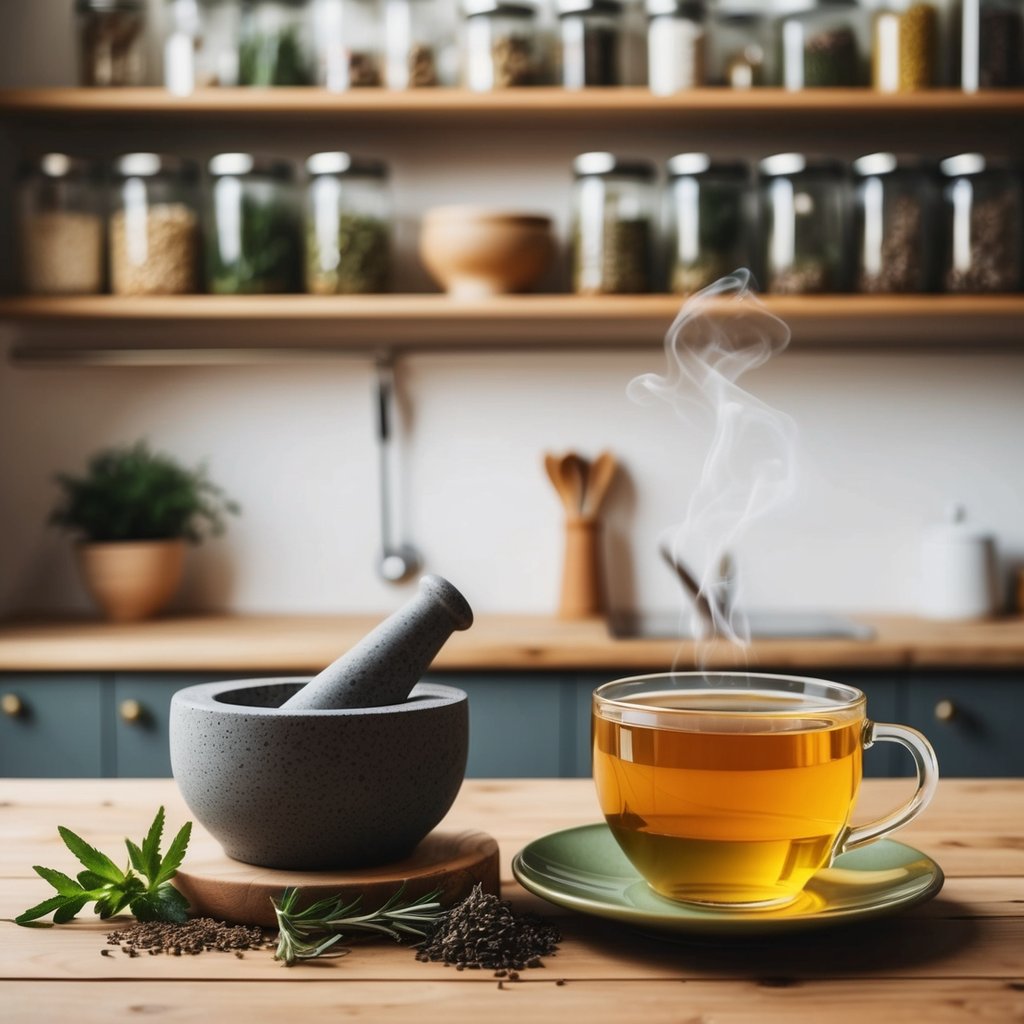
Embracing herbal medicine in your daily routine provides both convenience and accessibility. You can start with growing your own herbs, setting up a home apothecary, and trying simple recipes to create DIY remedies.
Growing Your Own Herbs
Cultivating herbs at home can be rewarding and practical. Start with beginner-friendly herbs like basil, mint, or rosemary. These herbs are not only easy to grow but also versatile in their uses.
Plant them in pots or a garden bed with well-drained soil and access to sunlight. Regular watering is essential, but be careful not to overwater, as this can harm plant roots.
Consider creating a small indoor herb garden if outdoor space is limited. Windowsill planters or vertical herb gardens maximize space efficiently. This setup makes accessing fresh herbs quick and easy, enhancing your meals and offering a fresh supply for natural remedies.
Growing your herbs ensures you control pesticide use and maintain organic growing practices.
Creating a Home Apothecary
Setting up a home apothecary involves organizing a collection of herbs and herbal products for easy access. Start by categorizing essentials like dried herbs, tinctures, and essential oils.
Use airtight containers to store dried herbs, preventing moisture and preserving potency. Labels are helpful for quick identification.
Include basic tools like a mortar and pestle, a scale for precise measuring, and cheesecloth for straining liquids. These tools enable you to prepare various remedies efficiently.
Maintain a reference guide or journal noting usage instructions, dosage, and care instructions for each herb. This offers a valuable resource for both beginners and seasoned herb users.
Simple Recipes and DIY Remedies
Integrating simple herbal recipes into your routine can enhance well-being. Start with herbal teas using ingredients like chamomile or peppermint to soothe and relax.
For immune support, consider making a ginger and lemon elixir by simmering slices in water with honey for a warming drink.
Create balms using coconut oil and beeswax as a base, adding essential oils like lavender for calming properties. Additionally, infuse oil with herbs such as calendula or arnica for topical applications to ease sore muscles.
DIY remedies offer flexibility and customization to suit your needs, empowering you to handle minor ailments naturally at home.
Conclusion
Herbal medicine offers a natural approach to addressing everyday ailments. Its practices are rooted in ancient traditions combined with contemporary research, making it a reliable choice for many.
Plants such as ginger, chamomile, and peppermint have shown promise in managing common conditions like nausea, insomnia, and digestion issues. Each plant works uniquely, contributing to overall well-being.
It’s important to ensure any herbal remedies you use are properly standardized and safely consumed. Consulting with healthcare professionals can help you integrate these remedies effectively.
Remember, herbal treatments may complement conventional medicine but should not replace necessary medical interventions.
Frequently Asked Questions
Herbal medicine offers a variety of natural treatments for everyday ailments. Ensuring the quality and safety of these remedies is essential, especially when used with conventional medicine. Proper storage and dosage are also crucial to maximize their benefits while minimizing potential side effects or interactions.
What common ailments can be effectively treated with herbal medicine?
Herbal medicine is often used to treat ailments such as anxiety, arthritis, and skincare issues. For instance, ginger is known for its anti-inflammatory and anti-nausea properties.
How do you ensure the quality and safety of herbal remedies?
Quality and safety start with sourcing herbs from reputable suppliers. Standardization methods ensure consistency in active ingredients. It’s important to check if the product is tested according to specific guidelines.
Can herbal medicine be used in conjunction with conventional medicine?
Herbal supplements can be used alongside conventional medications, but it is essential to consult with healthcare professionals to address any potential interactions. Some herbs may enhance or reduce the effects of certain drugs.
What are the best practices for storing and preserving herbal medicines?
Proper storage extends the shelf life of herbal medicines. Keep them in a cool, dry place, away from direct sunlight. Use airtight containers to prevent moisture and contamination.
How are dosages determined for various herbal treatments?
Dosages depend on factors such as the individual’s age, weight, and health condition. It’s crucial to follow guidelines provided by healthcare practitioners or those found on reputable herbal product labels.
What are the potential side effects or interactions to be aware of with herbal medicine?
Herbal medicines can have side effects or interactions with other medications.
For example, some herbs may cause allergic reactions or affect blood clotting.
Always inform your doctor about any herbal supplements you are taking to prevent adverse effects.