As interest in holistic health grows, the landscape of naturopathy is undergoing significant transformation.
Experts predict that the next decade will bring exciting advancements in naturopathic medicine, from emerging treatments to technological innovations.
As you explore this evolving field, you’ll discover how these changes could impact everything from treatment methodologies to the integration of new research.

In recent years, more people have been turning to complementary and alternative medicine, reflecting a broader acceptance of integrative health approaches.
Naturopathy, a cornerstone of this movement, is not only thriving but also poised for growth, with a projected annual job growth rate of nearly 10% as noted by the American Association of Naturopathic Medical Colleges.
This expansion is likely to be driven by both patient demand and increasing evidence-based practices that solidify its credibility.
The integration of technology is set to play a pivotal role in the future of naturopathy.
From advanced diagnostics to personalized treatment plans, these innovations hold the promise of enhancing the effectiveness and accessibility of holistic health care.
With these elements in mind, the future of naturopathy looks promising, highlighting the need for continuous research and adaptation within the field.
Key Takeaways
- Naturopathy is evolving with emerging treatments and technologies.
- Demand for naturopathic practices is predicted to grow significantly.
- Technological innovations are enhancing naturopathic methodologies.
Emerging Treatments in Naturopathy

Advancements in naturopathy are shaping how we approach health and wellness. These developments demonstrate the integration of traditional practices with modern innovations, particularly in herbal and botanical usage, nutritional therapies, and mind-body techniques.
Herbal and Botanical Advances
Herbal and botanical therapies are becoming increasingly refined, with more targeted uses based on research and clinical trials.
You might encounter treatments focusing on adaptogens like ashwagandha, which has shown promise in reducing stress and improving mental clarity.
The use of standardized extracts ensures consistency and effectiveness in herbal remedies.
Innovations in extraction methods, like CO2 extraction, help preserve the plant’s active compounds, enhancing therapeutic benefits. Additionally, there is a growing focus on sustainable sourcing to preserve biodiversity and ensure the long-term availability of essential medicinal plants.
Nutritional Therapies and Supplements
Nutritional therapies in naturopathy now emphasize personalized approaches, taking into account your genetic background, lifestyle, and specific health needs.
Supplements such as omega-3 fatty acids and probiotics are being tailored to address particular health issues.
Evidence suggests omega-3s can support cardiovascular health while probiotics may boost your gut health by balancing the microbiome.
Fermented supplements are gaining popularity for their enhanced bioavailability and digestibility.
To optimize nutrient absorption, advanced delivery systems like liposomal formulations are employed, potentially increasing the efficacy of supplements without increasing doses.
Mind-Body Medicine Innovations
Mind-body medicine in naturopathy is evolving with innovative techniques to bridge mental and physical health.
Practices such as mindfulness meditation and biofeedback are gaining traction, supported by technological advancements that make these therapies accessible.
You might also explore virtual reality-based relaxation programs designed to reduce anxiety and improve focus.
These programs use immersive environments to enhance relaxation and stress management. The integration of traditional practices like yoga with modern technologies offers more holistic approaches to health, helping you achieve a harmonious balance between mind and body.
Technological Innovations in Naturopathic Medicine
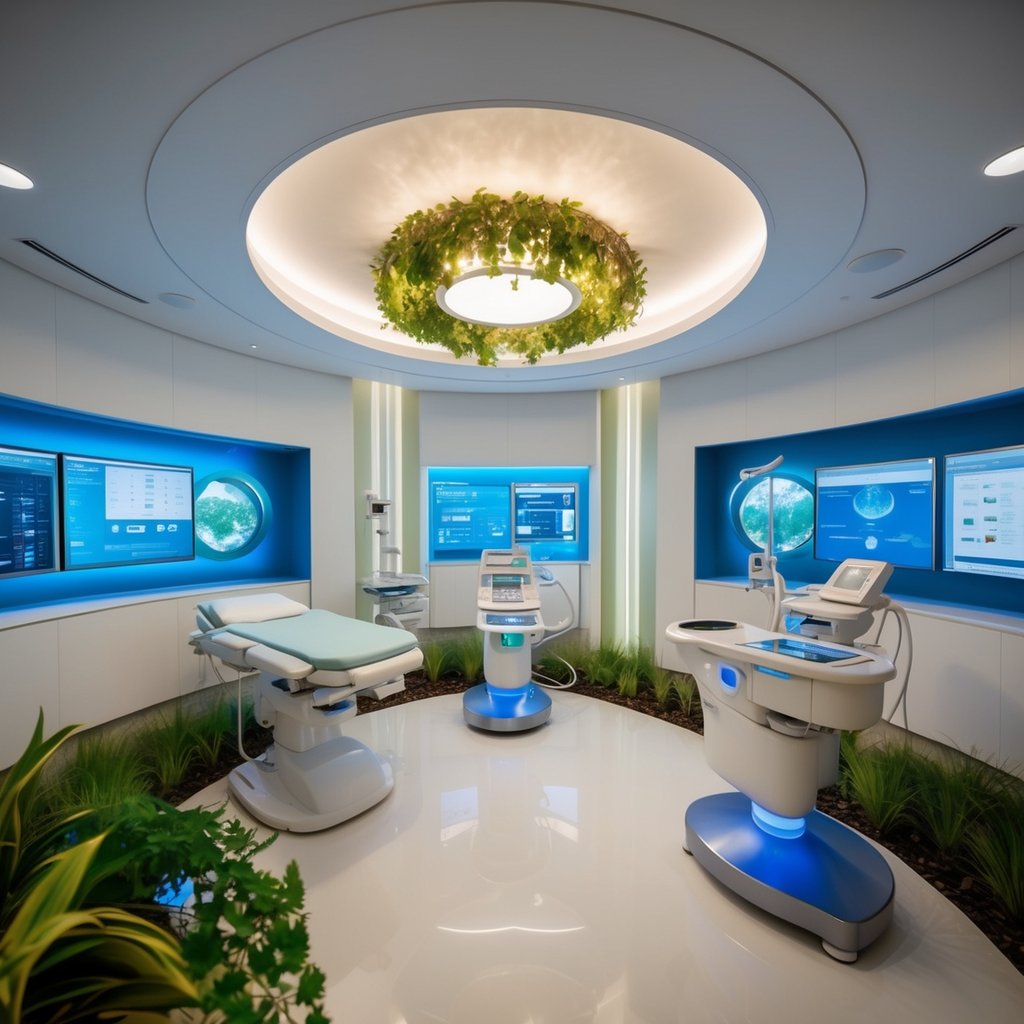
The integration of technology in naturopathic medicine is reshaping patient experiences, diagnosis, and personalized care. This shift includes advancements in telemedicine, diagnostic tools, and genomic testing, each enhancing the way care is given and received.
Telemedicine and Virtual Consultations
Telemedicine is transforming how you can access naturopathic care. Virtual consultations provide greater flexibility and convenience, allowing you to connect with your naturopathic doctor without needing to travel.
This is especially beneficial for individuals in remote areas who might not have easy access to in-person consultations.
Platforms offering secure video conferencing ensure privacy while maintaining the quality of personal interaction.
Telemedicine can enable continuous care management by facilitating easier follow-ups and consistent monitoring. Alongside these benefits, virtual consultations can potentially lower healthcare costs by minimizing the need for physical infrastructure.
Diagnostic Tools and Wearable Technology
Innovations in diagnostic tools and wearable technology are enhancing how your health is monitored and assessed.
Devices that track vital signs, physical activity, and even sleep patterns offer real-time data to both you and your healthcare practitioner. These insights can help in making informed decisions and adjusting treatment plans.
Emerging tools such as thermal imaging and biofeedback devices expand diagnostic capabilities.
Wearable technology brings data-driven insights directly to your wrist or fingertips, empowering you to track improvements and outcomes over time. This integration of technology allows for a more proactive approach to health management, helping you stay engaged in maintaining your wellness.
Personalized Medicine and Genomic Testing
Personalized medicine is becoming a cornerstone of naturopathic care, significantly driven by advances in genomic testing.
Understanding your genetic makeup can guide the customization of treatment plans to suit your unique physiological needs.
Genomic data can reveal insights into your predisposition to certain conditions and responses to various therapies.
This tailored approach aims to improve efficacy and reduce the likelihood of adverse reactions.
By integrating genomic insights, naturopathic practitioners can develop more targeted nutritional and lifestyle recommendations, aligned with your individual genetic profile. This aspect of personalized medicine underscores the ongoing fusion of technological innovation with holistic health principles.
Evolving Practices and Methodologies

Naturopathy is continuously transforming as practices integrate with conventional medicine, focus on holistic and preventative approaches, and emphasize advanced education and training for practitioners. These changes promise to improve patient outcomes and expand the role of naturopathic practices in healthcare.
Integration with Conventional Medicine
Integration with conventional medicine is gaining momentum, enhancing patient care. As evidence supporting this synergy grows, many practitioners see the value of combining traditional, complementary, and alternative treatments.
This approach maximizes benefits by addressing not only symptoms but also the underlying causes of health issues.
You may notice that healthcare providers are increasingly working alongside naturopaths to create more comprehensive care plans. This integration enhances trust and collaboration between different healthcare disciplines. For more information, see the growing evidence on the integration of medicine and alternative treatments.
Holistic and Preventative Approaches
Holistic and preventative approaches are fundamental in naturopathy. By prioritizing the root causes of diseases and overall well-being, these strategies are becoming more prominent.
You will find that patients increasingly demand treatments that offer long-term benefits rather than quick fixes.
Naturopathy combines various therapies, including nutrition, herbal medicine, and lifestyle modifications, to prevent illness. These methods reduce reliance on conventional pharmaceuticals and promote sustainable health practices.
The flexibility of naturopathic careers attests to their growing significance, with patients keen on addressing the root causes of issues. You can explore how these approaches make naturopathy the medicine of the future.
Education and Training for Practitioners
Education and training for practitioners are evolving to meet new healthcare demands. Modern naturopathic programs focus on equipping practitioners with the skills to work effectively in a rapidly changing landscape.
You will find that curricula now emphasize evidence-based practices, research methodologies, and clinical training.
This shift helps ensure that practitioners are proficient in both traditional and integrative techniques. Aspiring naturopaths must adapt to rigorous academic standards to blend natural therapies with conventional medical knowledge successfully. As training methods improve, the future of naturopathy looks brighter than ever. Learn more about naturopathic medicine’s promising future here.
Regulatory and Policy Changes
The landscape of naturopathic medicine is evolving, with significant developments expected in key areas such as licensing, insurance coverage, and international standards. These changes will have profound implications for healthcare practitioners and patients alike.
Licensing and Certification Updates
Expect significant developments in licensing and certification requirements for naturopathic doctors (NDs) in the coming years. More regions are working to standardize these requirements to ensure consistent quality of care.
In several jurisdictions, ongoing discussions focus on expanding the legal scope of practice for NDs to include treatments and therapies traditionally reserved for medical doctors. This evolution aims to enhance the credibility and versatility of naturopathic practitioners, enabling them to provide a broader range of healthcare services.
Furthermore, there is an active push toward implementing continuous education and recertification mandates. These requirements seek to keep practitioners updated with the latest advancements in the field. This focus on ongoing education aligns with broader healthcare trends emphasizing lifelong learning as essential to professional development.
Insurance and Reimbursement Trends
As public demand for naturopathic services grows, insurance companies are gradually beginning to adapt their reimbursement policies. An increasing number of insurers are recognizing the value of integrative health approaches and adjusting their plans to include naturopathic care.
This shift reflects a broader trend towards holistic and preventive health strategies.
Some regions are witnessing legislative changes aimed at mandating coverage for naturopathic treatments. This trend is gaining momentum, especially in areas with strong advocacy for alternative medicine. For practitioners, the key will be staying informed about these changes to navigate the insurance landscape effectively and ensure that patients can access needed treatments affordably.
Global Perspectives and International Standards
International standards in naturopathy are becoming more harmonized. Various countries are collaborating to define consistent educational criteria and practice guidelines to ensure high-quality care globally.
This harmonization helps address discrepancies in how naturopathic medicine is perceived and practiced across borders.
Establishing clear international standards can facilitate practitioner mobility and patient trust. As countries share best practices and outcomes, you will likely see a more globally unified approach to naturopathic medicine. For patients and practitioners, these standards promise a more interconnected and cohesive global health community, fostering greater access and trust in naturopathic solutions worldwide.
The Role of Research and Evidence-Based Practice
In the evolving field of naturopathy, research and evidence-based practice are crucial in shaping future directions. These efforts are focused on integrating scientific methods with traditional practices, ensuring that naturopathic medicine continues to advance in a scientifically credible way.
Current Research Initiatives
Current research in naturopathy involves examining the efficacy and safety of various traditional treatments. Studies are often designed to assess interventions using rigorous scientific methods.
Efforts have been made to incorporate evidence-based practice (EBP) into naturopathic programs, merging clinical expertise with the best available data. These initiatives aim to provide practitioners with a reliable framework to guide their decisions and ensure patient safety and treatment efficacy are prioritized.
Future Research Directions
Looking forward, research is expected to expand into innovative areas such as personalized medicine and genomics within naturopathy.
Advancements could involve utilizing emerging technologies like machine learning and biomedical AI to improve our understanding and application of natural therapies.
Collaborative interdisciplinary projects could offer insights into how traditional practices can be integrated with modern medical advancements, enhancing treatment customization. This includes leveraging research on deep neural networks to enhance diagnostic and therapeutic techniques as predicted in major journals such as Nature.
Collaboration Between Institutions
Collaboration is key in driving naturopathic research forward. Strong partnerships between academic institutions, healthcare facilities, and research centers can amplify the impact of studies conducted in this field.
These collaborations ensure resources are shared, data are thoroughly analyzed, and findings are communicated effectively.
Cross-institutional research programs are crucial for addressing challenges facing the naturopathic community. As seen in Australian grassroots practices, these partnerships help tackle ongoing issues by pooling expertise and fostering a more integrated approach to healthcare delivery within naturopathy.
Conclusion
As you look towards the future of naturopathy, it becomes clear that innovation and growth are on the horizon. Enhanced educational opportunities are setting the stage for new practitioners who are well-versed in evidence-based approaches.
This aligns with the anticipation of increased integration with conventional medicine.
Public demand for complementary and alternative medicine continues to rise. More individuals are seeking holistic approaches to health, which suggests that the field will expand in response to public interest.
You can expect naturopathy to play an evolving role in preventive care, tailoring treatments to meet individual needs.
Research is a key factor driving this evolution. More studies on efficacy and safety will provide the solid foundation needed for broader acceptance.
It is vital to stay updated with ongoing advancements in clinical research. This will empower you to make informed decisions about treatments and approaches.
Key Areas of Development:
- Education: Growth in training programs
- Integration: Collaboration with conventional medical systems
- Public Interest: Rising demand for holistic health solutions
- Research: Increasing focus on clinical studies
By keeping these points in mind, you’ll be better prepared to navigate the changes and seize opportunities that lie ahead in the field of naturopathy.
Frequently Asked Questions
The landscape of naturopathy is set for dynamic changes in the coming decade. Increasing demand for naturopathic doctors, evolving medical advances, and significant impacts from healthcare legislation are shaping this field. Scientific research and education trends also play pivotal roles in driving progress.
How is the demand for naturopathic doctors projected to change in the next decade?
The job growth rate for naturopathic doctors is expected to remain strong, with an estimated increase of about 10% per year. This projected growth is driven by a rising interest in holistic and preventive healthcare approaches.
What advances in naturopathic medicine are expected to evolve in the upcoming years?
Naturopathic medicine is poised for significant advancements. Innovations in personalized medicine, integration of digital health technologies, and improved treatment methodologies are expected to enhance patient outcomes and broaden treatment options.
In which specializations within naturopathy do experts see the most growth potential?
Areas such as integrative oncology, women’s health, and chronic disease management hold substantial growth potential. These specializations align with broader healthcare trends emphasizing comprehensive and patient-centered care models.
How will changes in healthcare legislation affect naturopathic practitioners’ scope of practice?
Healthcare legislation reforms may expand the scope of practice for naturopathic practitioners. This could include increased recognition in mainstream healthcare settings and broader insurance coverage for naturopathic treatments, allowing for greater patient access.
What role will scientific research play in the advancement of naturopathic treatments?
Scientific research will be critical in validating the effectiveness of naturopathic treatments. Evidence-based approaches will likely lead to better clinical practices and greater acceptance of naturopathy within the broader medical community.
What are emerging educational trends for naturopathic medical schools?
Educational trends include integrating more interdisciplinary studies and emphasizing clinical skills alongside academic coursework.
There’s a focus on fostering research skills to support the evidence-based evolution of the field.