Incorporating fiber into your daily diet is a simple yet powerful way to enhance your health.
Fiber plays a crucial role in maintaining digestive health and can aid in effective weight management.
By understanding how fiber works and which types are most beneficial, you can take control of your well-being.

It’s not just about adding any fiber to your plate, but focusing on specific types that offer the most benefits.
Soluble fiber, for instance, helps control blood sugar levels and reduces hunger by forming a gel in your gut.
Regular intake of these fibers can improve digestion, preventing issues like constipation and bloating.
Finding ways to integrate fiber-rich foods into your meals can lead to significant improvements in your overall health.
Whether it’s through whole grains, vegetables, or supplements, increasing your fiber intake offers numerous benefits that are both immediate and long-lasting.
Key Takeaways
- Fiber is vital for digestive health and weight management.
- Soluble fiber can help regulate hunger and blood sugar.
- Increase fiber intake through diverse food sources.
Understanding Fiber
Fiber is a crucial component of a balanced diet, contributing to digestive health and weight management. It plays a significant role in maintaining regular bowel movements and regulating hunger.
Understanding the types of fiber, the recommended daily intake, and common sources is essential for incorporating it effectively into your diet.
Types of Fiber: Soluble vs. Insoluble
Fiber is primarily classified into two types: soluble and insoluble.
Soluble fiber dissolves in water, forming a gel-like substance in your gut. This gel can slow digestion, potentially helping to manage blood sugar levels and keeping you feeling full longer.
Soluble fiber is found in foods like oats, beans, and apples.
Insoluble fiber, on the other hand, does not dissolve in water. It adds bulk to stool, aiding its passage through the digestive system. This type of fiber helps prevent constipation and supports regular bowel movements.
Whole grains, nuts, and vegetables are excellent sources of insoluble fiber.
Daily Fiber Requirements
Meeting your daily fiber requirements is essential for digestive wellness.
Adults are generally advised to consume about 25 grams of fiber for women and 38 grams for men each day. These amounts may vary slightly based on individual health needs and caloric intake.
Consistently incorporating adequate fiber helps maintain digestive health, supports regular bowel movements, and may contribute to maintaining a healthy weight.
Tracking your intake from various food sources can ensure you meet these recommendations without excessive effort.
Common Sources of Dietary Fiber
Incorporating a variety of fiber-rich foods into your diet is crucial.
Fruits, vegetables, legumes, and whole grains serve as excellent choices.
Savor a breakfast of oatmeal topped with fresh fruit, or include beans and vegetables in your meals to boost your fiber intake.
Whole grains like quinoa and barley, along with nuts and seeds, contribute to a fiber-rich diet.
Increasing the diversity of your food options ensures a wide array of nutrients, supporting overall health and well-being.
Aim to include a mix of both soluble and insoluble fiber to optimize benefits for your digestive system.
Fiber and Digestive Health
Fiber plays a critical role in maintaining digestive health by enhancing digestion, preventing constipation, and supporting a balanced gut microbiota. It supports the efficient movement of food through your digestive system and feeds beneficial gut bacteria.
How Fiber Aids Digestion
Dietary fiber is crucial for the process of digestion.
It assists in regulating the pace of digestion, which can improve nutrient absorption.
Soluble fiber dissolves in water and forms a gel-like structure, slowing down digestion. This moderation in digestion can help with the absorption of essential nutrients.
In contrast, insoluble fiber adds bulk to the stool and promotes smooth passage through your digestive tract, preventing digestive discomfort.
The Role of Fiber in Preventing Constipation
One major benefit of fiber is its ability to prevent constipation.
Insoluble fiber adds bulk to your stool, which helps it pass through your intestines more easily, reducing any strain on your digestive system.
For those experiencing constipation, adding foods like whole grains and vegetables, high in insoluble fiber, can ease symptoms.
On the other hand, soluble fiber softens the stool by absorbing water, making it easier to pass.
Fiber’s Impact on Gut Microbiota
Fiber acts as a prebiotic, meaning it feeds the beneficial bacteria in your gut.
A healthy gut microbiota is essential for digestion and overall well-being.
The beneficial bacteria ferment fiber into short-chain fatty acids, which provide energy to colon cells and promote a healthy intestinal lining.
This activity can increase the diversity and abundance of healthy gut bacteria, ultimately improving digestive health and supporting immune function.
Fiber for Weight Management
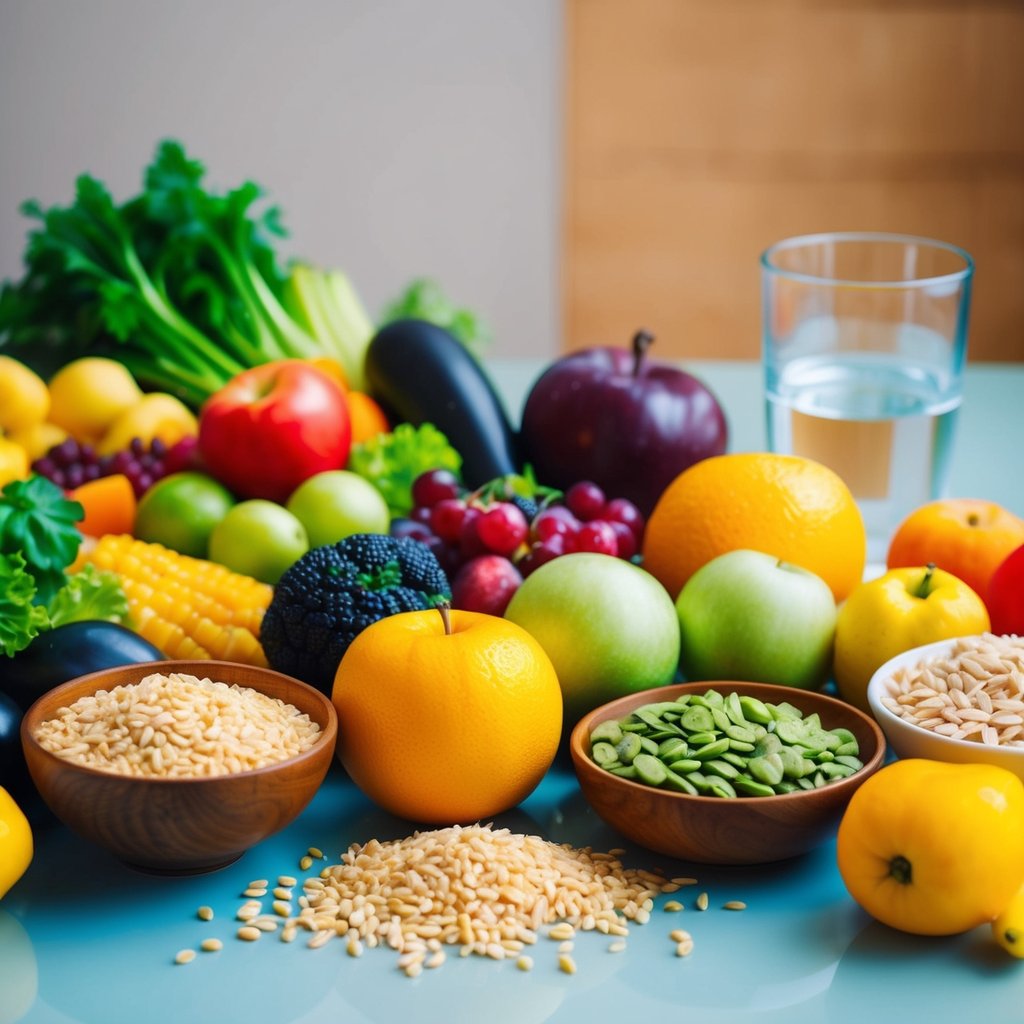
Fiber plays a crucial role in managing weight. It not only enhances feelings of fullness but also helps stabilize blood sugar levels. Furthermore, fiber contributes to a reduced calorie intake, which aids weight management.
Enhancing Satiety with Fiber
Consuming fiber-rich foods can significantly increase feelings of fullness, making it easier to manage your weight.
High-fiber foods, such as fruits, vegetables, and whole grains, take longer to chew, allowing your body more time to register when you are full. This can help prevent overeating during meals.
In addition, fiber slows the rate at which food exits the stomach, prolonging the sensation of fullness and decreasing the likelihood of snacking between meals.
This effect can be particularly beneficial if you’re trying to limit calorie intake and avoid unnecessary weight gain.
Regulating Blood Sugar Levels
Fiber helps in maintaining more stable blood sugar levels by slowing the absorption of sugar into the bloodstream.
This steady release of sugar can prevent spikes and crashes in blood sugar, reducing cravings and promoting better energy levels throughout the day.
Soluble fiber, found in foods like oats, beans, and apples, is particularly effective at managing blood sugar.
By incorporating more soluble fiber into your diet, you can potentially lower your risk of developing insulin resistance and type 2 diabetes, while also supporting weight management.
The Role of Fiber in Reducing Caloric Intake
Foods high in fiber often have fewer calories per serving, allowing you to eat satisfying portions without consuming excess calories.
For example, leafy greens and legumes can be filling yet low in calories, helping you maintain a calorie deficit necessary for weight loss.
Moreover, fiber can bind with fats and other components, helping to eliminate them from the body. This process can contribute to a lower net calorie intake.
Incorporating a variety of fiber-rich foods into your daily diet can be an effective strategy to support weight loss and overall health.
Incorporating More Fiber into Your Diet
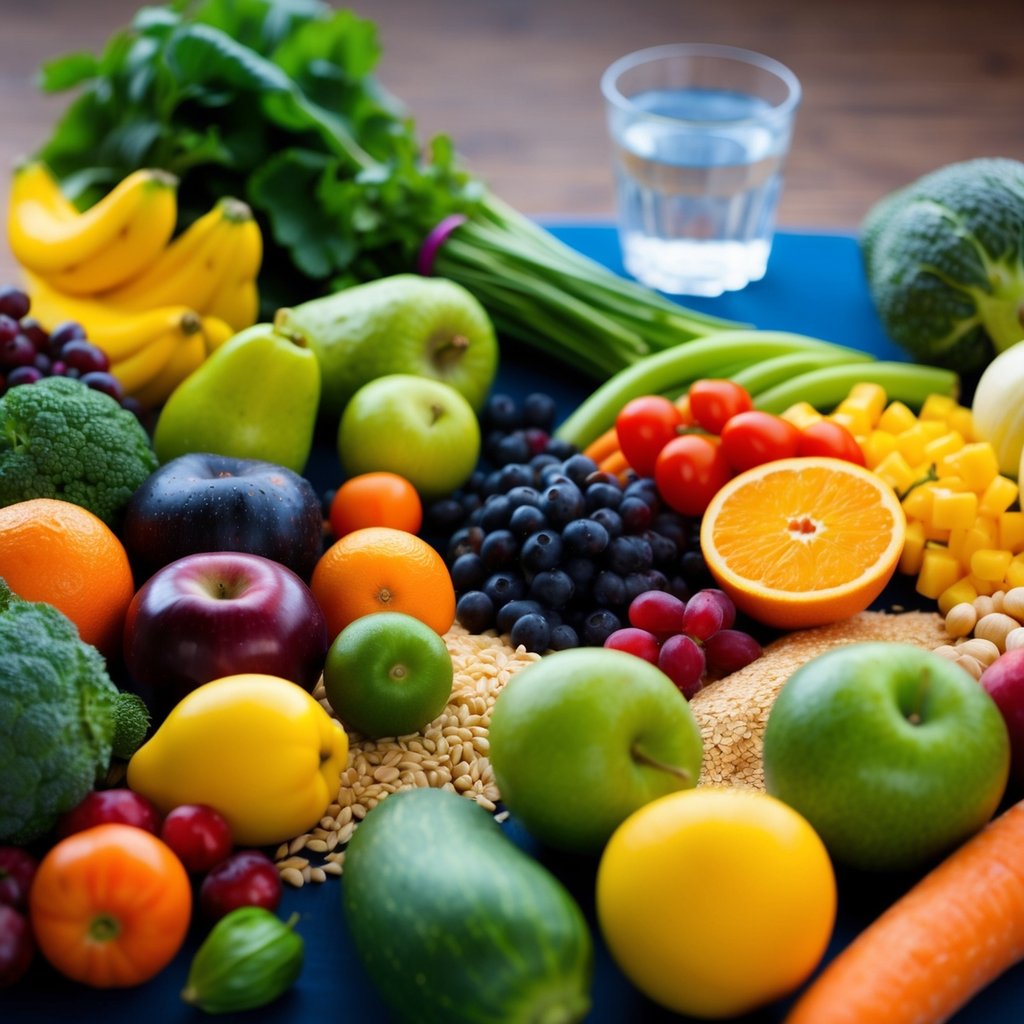
Eating more fiber can significantly benefit your digestive health and aid in weight management. To achieve these benefits, it’s essential to know which high-fiber foods to eat, how to increase your fiber intake gradually, and how to avoid potential side effects.
High-Fiber Foods to Include
Adding a variety of high-fiber foods to your diet is crucial.
Fruits like apples, pears, and berries offer a natural sweetness coupled with fiber. Vegetables such as broccoli, carrots, and Brussels sprouts are excellent choices.
Whole grains, including oatmeal, quinoa, and whole wheat bread, provide a solid fiber base.
Legumes like lentils, chickpeas, and beans are also highly beneficial. Nuts and seeds, such as almonds and chia seeds, round out a fiber-rich diet.
Aim to incorporate a combination of these foods daily for optimum benefits.
Tips for Gradually Increasing Fiber Intake
To avoid digestive discomfort, increase your fiber intake gradually.
Start by incorporating one or two high-fiber foods into your meals each day. Drinking plenty of water is key as it helps fiber move through your digestive system.
Consider adding a serving of vegetables or a fiber-rich cereal to your usual meals. Snack on fruits or nuts instead of processed options.
Slowly increase your fiber intake over a few weeks to give your body time to adjust.
Potential Side Effects and How to Avoid Them
A rapid increase in fiber can lead to bloating and gas. To minimize these side effects, introduce fiber slowly into your diet.
Chewing food thoroughly and eating smaller meals can help manage these symptoms.
Maintain adequate hydration to aid digestion and prevent constipation. If you’re new to a high-fiber diet, opt for cooked vegetables first, as they are often easier to digest than raw forms.
Monitoring how your body reacts to these changes is vital in managing any discomfort effectively.
Conclusion

Dietary fiber plays a crucial role in maintaining digestive health. By incorporating fiber-rich foods into your diet, you can support regular bowel movements and prevent constipation.
Fiber also contributes to feelings of fullness, which can help in managing your weight effectively. When you eat fiber, it promotes satiation, reducing unnecessary food intake throughout the day.
When increasing your fiber intake, do so gradually. This approach allows your body’s natural bacteria to adjust, minimizing potential digestive discomfort. Adding more water to your daily routine can also support fiber’s benefits in your body.
Finally, remember that both soluble and insoluble fibers offer important health benefits. Different food sources include fruits, vegetables, whole grains, and legumes, each providing unique amounts and types of fiber. To optimize health, aim for a varied and balanced diet containing diverse fiber sources.
Frequently Asked Questions
Fiber is essential for digestive health and weight management. It aids in maintaining a healthy gut and promoting regular bowel movements while also helping to control appetite.
What are the benefits of increasing fiber intake for digestion and weight management?
Increasing your fiber intake can support weight management by helping you feel full, which may lead to reduced calorie consumption. It also promotes digestive health by fostering regularity and preventing constipation.
Which high-fiber foods can help alleviate constipation, and how is it charted?
Eating foods like prunes, apples, and whole grains can help alleviate constipation. The charting of fiber content in foods involves measuring their total fiber per serving, providing a useful guide for increasing intake effectively.
Can you provide a list of the top 10 high-fiber foods to include in a balanced diet?
- Black beans
- Lentils
- Chia seeds
- Avocados
- Raspberries
- Bran cereal
- Broccoli
- Oats
- Apples
- Sweet potatoes
These foods can help meet your daily fiber requirements.
How does fiber function within the human body?
Fiber functions as a bulking agent for stools, helping to ensure smooth passage through the digestive tract. Soluble fiber forms a gel that can manage blood sugar levels and cholesterol.
What role does fiber play in maintaining bowel regularity?
Fiber acts as a natural laxative, promoting regular bowel movements by softening stools and increasing their bulk. This consistency is crucial in preventing constipation and maintaining gut health.
What is the difference between soluble and insoluble fiber, and which foods contain them?
Soluble fiber dissolves in water and forms a gel, helping to control blood sugar and cholesterol levels. It is found in oats, apples, and beans.
Insoluble fiber does not dissolve in water, aiding digestion by adding bulk. It is found in foods like whole grains and vegetables.