Iron is a vital mineral crucial for maintaining your body’s oxygen-carrying capacity, facilitating energy production, and supporting overall health.
Adequate iron levels are essential to prevent anemia, a condition that results in fatigue and weakness due to insufficient red blood cells.
Understanding the role of iron in your body can empower you to make informed dietary choices, enhancing your energy levels and overall well-being.
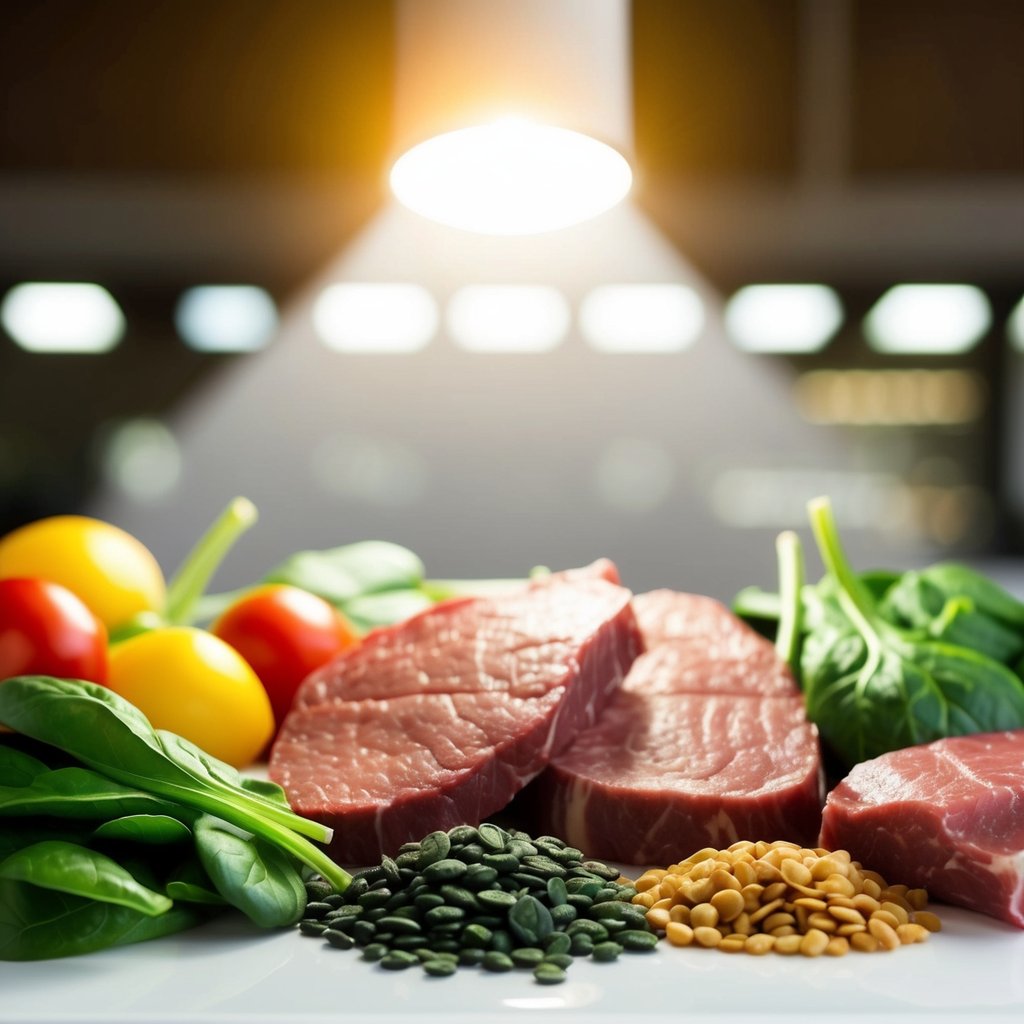
When your body doesn’t receive enough iron, it struggles to produce hemoglobin, leading to various health concerns like reduced energy levels and impaired cognitive function.
By incorporating iron-rich foods into your daily diet, such as leafy greens, red meat, and fortified cereals, you can effectively lower the risk of developing iron deficiency anemia.
Additionally, combining these foods with vitamin C sources can enhance iron absorption, boosting your health benefits further.
Recognizing the symptoms of iron deficiency, such as fatigue, pale skin, and breathlessness, is crucial for early intervention and treatment.
Maintaining a balanced diet with sufficient iron intake is a proactive way to support your health. This article will explore practical tips and dietary sources of iron, ensuring you have the tools needed for optimal well-being and energy maintenance.
Key Takeaways
- Iron is essential for preventing anemia and enhancing energy.
- Incorporate iron-rich foods and vitamin C for better absorption.
- Recognize deficiency symptoms to support health maintenance.
The Role of Iron in the Body
Iron is a crucial mineral that plays significant roles in various bodily functions. It is essential for oxygen transport, energy production, and several biochemical processes. Inadequate iron levels can lead to serious health issues, such as anemia, fatigue, and weakened immune function.
Functions of Iron in the Human Body
Iron contributes to many critical physiological functions. It is a key component of hemoglobin, the protein in red blood cells that transports oxygen from the lungs to the rest of the body.
Additionally, iron forms part of myoglobin, a protein that supplies oxygen to muscles, aiding physical performance and endurance.
Moreover, iron is involved in the synthesis of neurotransmitters, such as dopamine and serotonin, which are essential for brain function and mood regulation. The mineral also plays a role in collagen production, supporting skin, hair, and nail health, contributing to wound healing and maintaining the structure of connective tissues.
Iron’s Role in Oxygen Transport
Iron is crucial for transporting oxygen in the bloodstream. Hemoglobin molecules, which contain iron, bind to oxygen in the lungs and release it throughout the body. This process ensures your tissues and organs receive the necessary oxygen to function effectively.
The importance of iron in oxygen transport becomes evident during times of increased demand, such as physical exertion or at higher altitudes when oxygen levels are lower.
Insufficient iron can impair your body’s ability to meet these demands, leading to fatigue and decreased physical performance.
The Importance of Iron in Energy Production
In addition to oxygen transport, iron is vital for energy production. Iron is a key component of enzymes and proteins involved in cellular respiration, the process by which cells produce energy in the form of adenosine triphosphate (ATP).
Without adequate iron levels, your body struggles to generate ATP, resulting in reduced energy availability. This can lead to feelings of fatigue and weakness, impacting daily activities and overall well-being.
Making sure you consume sufficient iron-rich foods, like lean meats, beans, and spinach, helps maintain energy levels and supports daily functions.
Symptoms and Risks of Iron Deficiency
Iron deficiency can significantly impact your health, leading to a range of symptoms and increased risks. Identifying these symptoms early and understanding the associated risks can help you take preventive action.
Common Symptoms of Iron Deficiency
Iron deficiency often manifests through several noticeable symptoms. You may experience fatigue and a lack of energy, as your body struggles to produce enough red blood cells to carry oxygen.
This can lead to shortness of breath even during mild physical activities.
Another common sign is pale skin, indicating a reduced hemoglobin level. You might also notice frequent heart palpitations or irritability.
If you observe these symptoms, consider consulting a healthcare professional for further evaluation and possible blood tests to determine iron levels. Early intervention can prevent more severe consequences.
Health Risks Associated with Low Iron Levels
Low iron levels can lead to more than just fatigue. Over time, it can progress to iron-deficiency anemia, which is the most common form of anemia worldwide.
When left untreated, this condition can cause heart problems, such as irregular heartbeats or an enlarged heart, due to increased demand on your heart to pump oxygen-rich blood.
Chronic iron deficiency can also impact cognitive function and immune response. If iron levels remain low, you might experience a persistent lack of focus, slowed thinking, and become prone to infections.
Recognizing the connection between low iron and these health risks can help you take steps to address dietary needs or seek medical advice.
Groups at Higher Risk of Iron Deficiency
Certain groups are more susceptible to iron deficiency. Women, particularly those of childbearing age, face a higher risk due to menstruation.
Pregnant women should also be vigilant about iron intake to support the increased blood volume and oxygen needs of both mother and baby.
Young children and teens are also at risk as they undergo rapid growth and development. Additionally, vegetarians and vegans should monitor their iron consumption closely since plant-based diets may lack sufficient iron-rich foods.
Recognizing if you belong to a high-risk group can encourage proactive measures to maintain adequate iron levels in your diet.
Preventing Anemia Through Iron Intake
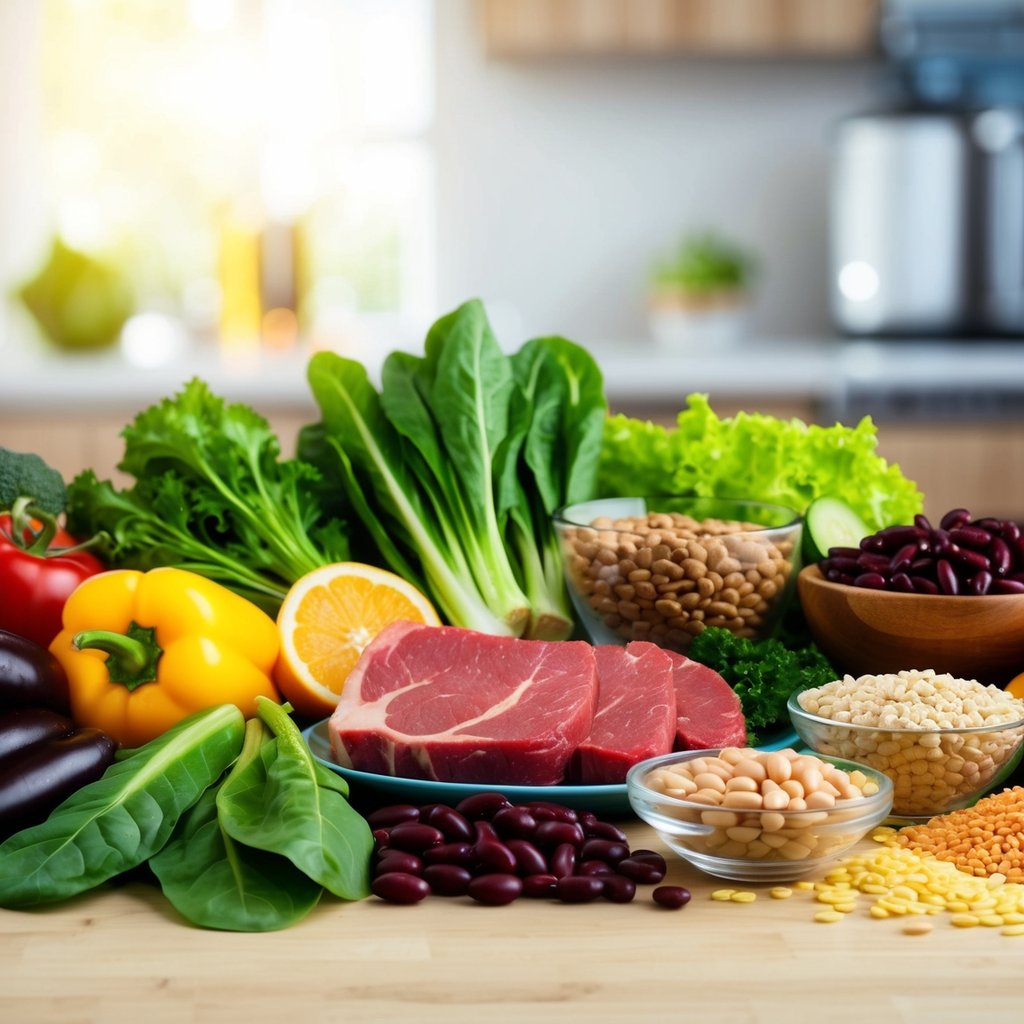
Iron plays a crucial role in maintaining overall health by enhancing red blood cell production and preventing anemia. Understanding the types of anemia and how iron deficiency impacts the body is essential for prevention.
Understanding Anemia and Its Types
Anemia occurs when your blood lacks enough healthy red blood cells to carry adequate oxygen to your body’s tissues. This can result in fatigue and weakness. There are several types of anemia, each with distinct causes.
Iron-deficiency anemia is the most common, often caused by a lack of iron in the diet. Other types include vitamin deficiency anemia, aplastic anemia, and hemolytic anemia. Each type requires different preventative measures and treatments, though increasing iron intake can help with the iron-deficiency type.
Iron Deficiency Anemia: Causes and Prevention
Iron deficiency anemia arises when your body’s need for iron outpaces its supply. This can happen due to poor dietary intake, impaired absorption, or increased needs, such as during pregnancy.
Preventive steps include consuming iron-rich foods like lean meats, beans, and spinach. Incorporating vitamin C-rich foods like oranges and strawberries can enhance iron absorption.
Regular medical check-ups can also catch early signs of deficiency, enabling timely intervention.
The Impact of Iron on Red Blood Cell Production
Iron is a key component of hemoglobin, the protein in red blood cells responsible for oxygen transport. When your body doesn’t get enough iron, it can’t produce hemoglobin efficiently, leading to reduced red blood cell production.
This can result in symptoms like fatigue, paleness, and dizziness. Ensuring an adequate iron intake through diet and supplements, if necessary, supports healthy red blood cell production and overall energy levels. This is especially important for those with higher iron needs, such as adolescents and pregnant women.
Implementing a diet high in iron and enhancing absorption with complementary nutrients can significantly reduce the prevalence of iron deficiency anemia. Engaging with healthcare professionals for dietary advice and monitoring levels can further aid in prevention and health maintenance.
Dietary Sources of Iron
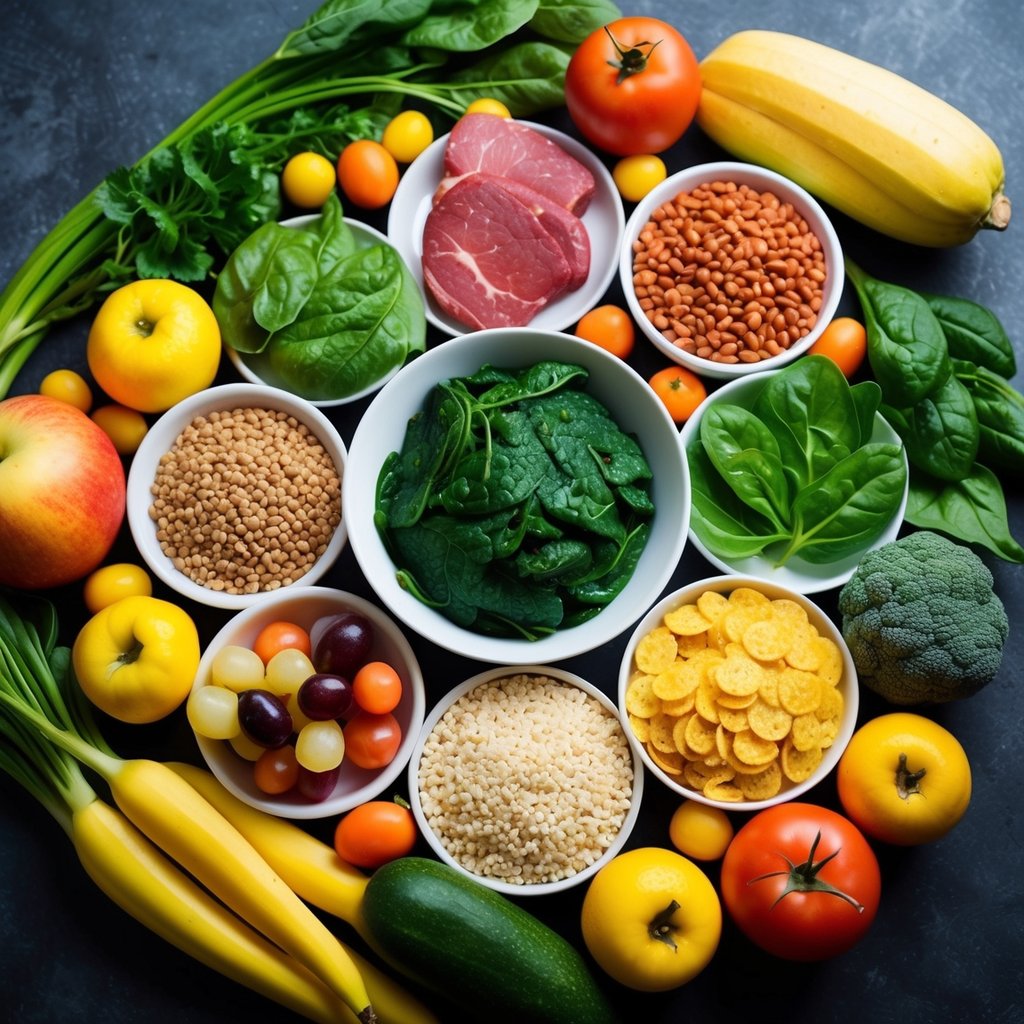
Iron is a crucial mineral for maintaining healthy blood and preventing conditions like anemia. Understanding the types of dietary iron and selecting the right foods can significantly impact your energy levels and overall health.
Heme vs. Non-Heme Iron: What’s the Difference?
Heme iron comes from animal products and is absorbed more efficiently by your body. Found in lean meats and seafood, about 15-35% of heme iron is typically absorbed.
In contrast, non-heme iron is derived from plant-based foods like nuts, beans, and vegetables, with an absorption rate of about 2-20%. Due to these differences, vegetarians must pay extra attention to their non-heme iron intake to meet their nutritional needs.
Top Iron-Rich Foods to Include in Your Diet
Lean meats, seafood, and organs like liver are the richest sources of heme iron. For non-heme iron, consider options such as fortified cereals, spinach, lentils, and white beans. Canned clams and fortified cereals are particularly high in iron.
Including a diverse range of these foods ensures that you get an adequate amount of iron from various sources, supporting robust blood health.
Enhancing Iron Absorption with Complementary Nutrients
Certain nutrients can boost iron absorption, particularly from non-heme sources. Vitamin C, found in citrus fruits and tomatoes, enhances iron uptake when consumed together with iron-rich foods.
Pairing foods rich in heme iron with those containing vitamin C not only improves overall iron absorption but also fosters better energy levels and well-being.
Additionally, avoiding excessive consumption of coffee, tea, and calcium-rich foods during meals can prevent decreased iron absorption.
Practical Tips for Maintaining Optimal Iron Levels
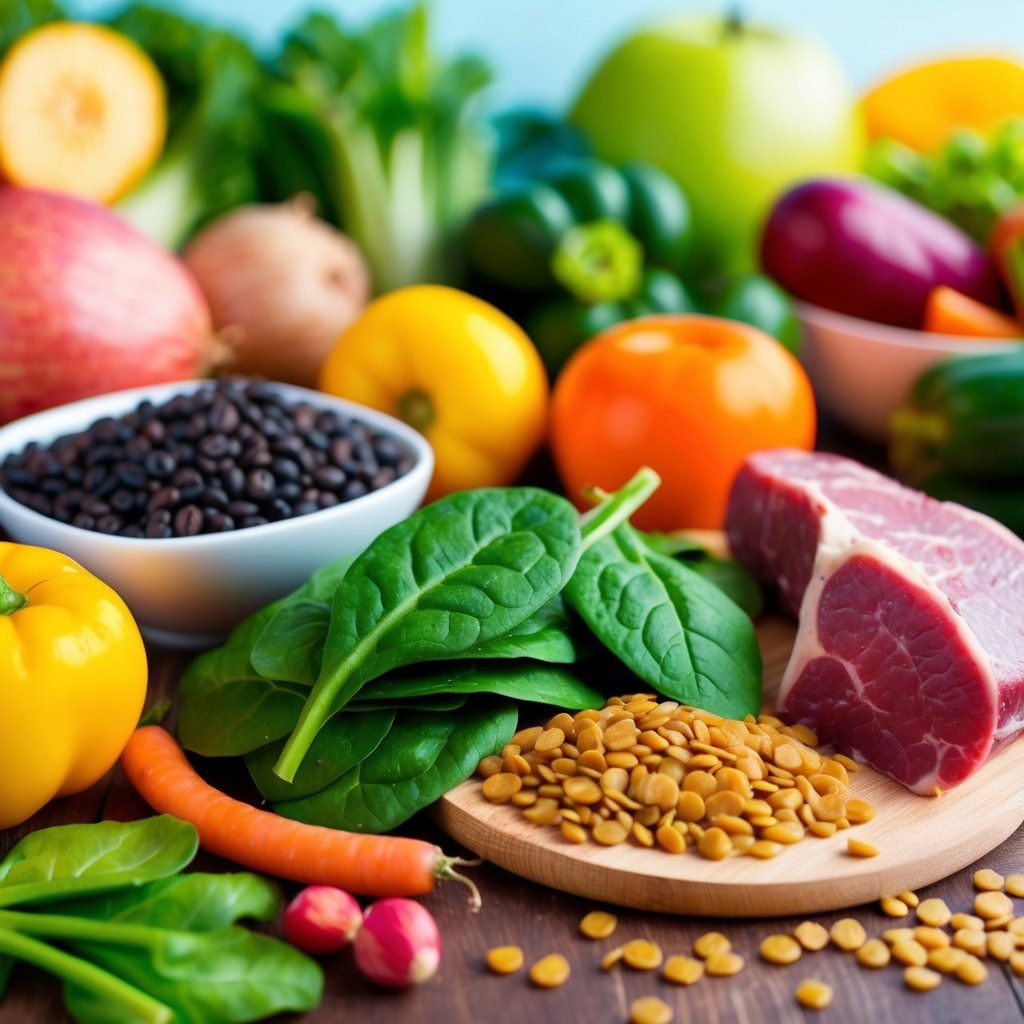
Maintaining optimal iron levels is crucial for preventing anemia and ensuring your body has enough energy to function efficiently. Key strategies include understanding daily requirements, knowing when to use supplements, and making lifestyle adjustments.
Daily Iron Requirements and Recommended Intake
Your daily iron needs vary with age, gender, and life stage. Adult men generally require about 8 mg per day, while adult women need around 18 mg due to menstruation. Pregnant women should aim for 27 mg daily.
Consuming a diet rich in iron sources like red meat, poultry, beans, and lentils can help meet these requirements. Vitamin C-rich foods, such as citrus fruits and broccoli, enhance non-heme iron absorption from plant sources.
Iron Supplements: When and How to Use Them
Iron supplements may be necessary if you’re deficient and cannot meet your needs through diet alone. It’s crucial to take them only under a healthcare provider’s guidance to avoid toxicity.
Supplements should ideally be taken on an empty stomach for better absorption. If they cause stomach upset, consuming them with meals may be necessary, though absorption might be reduced.
Lifestyle Changes to Support Healthy Iron Levels
Simple lifestyle adjustments can support healthy iron levels.
For example, avoid consuming calcium-rich foods or beverages like milk and tea during meals with non-heme iron sources, as these can inhibit iron absorption as noted by the Better Health Channel.
Cooking in cast iron pans can also increase iron content in food.
Furthermore, incorporating physical activity can boost circulation and improve nutrient delivery throughout your body, indirectly supporting iron levels.
Conclusion
Iron is a foundational element necessary for maintaining healthy bodily functions. It is integral to oxygen transport, energy production, and preventing anemia.
Ensuring adequate iron intake from food or supplements helps support your overall energy levels and cognitive function. Iron can be found in dietary sources such as leafy greens, lean meats, and fortified cereals.
Being aware of symptoms like fatigue or weakened immunity can help you recognize potential iron deficiency. Testing iron levels is a straightforward way to monitor your health.
Maintaining a balanced diet rich in iron can protect you against common deficiencies and promote well-being. Staying informed and making nutritional choices can greatly impact your vitality and prevent anemia effectively.
Frequently Asked Questions
Iron plays a crucial role in preventing anemia and maintaining energy levels. Understanding the signs of deficiency and how iron affects health can help you make informed choices.
What are the signs and symptoms of iron deficiency?
Iron deficiency often presents symptoms such as fatigue, weakness, and pale skin. You may also experience shortness of breath and a fast heartbeat. If you notice these symptoms persistently, it’s important to consult a healthcare provider for further evaluation and potential treatment options.
How does iron contribute to overall energy levels in the body?
Iron is essential for producing hemoglobin, the protein that helps red blood cells carry oxygen throughout your body.
Adequate oxygen delivery ensures your organs and muscles work efficiently, directly influencing your energy levels.
Without sufficient iron, your body may struggle to generate energy, making you feel tired and less active.
What daily amount of iron is recommended to prevent anemia?
The recommended daily iron intake varies by age, sex, and life stage.
Adult men typically need about 8 mg per day, while women between 19 and 50 years require approximately 18 mg due to menstrual blood losses.
Pregnant women are advised to increase their intake to 27 mg to support fetal development.
What are effective methods for increasing iron absorption to boost energy?
Enhancing iron absorption can be achieved through dietary choices.
Consuming vitamin C-rich foods like citrus fruits with iron-rich meals can increase absorption.
Avoid drinking tea or coffee with meals as they contain compounds that inhibit absorption.
Cooking with a cast-iron skillet may also add small amounts of this mineral to your food.
How does iron deficiency impact women’s health specifically?
Women are particularly susceptible to iron deficiency due to menstrual blood losses.
This can lead to a higher risk of anemia, causing fatigue and weakness.
During pregnancy, inadequate iron can impact both mother and child.
Ensuring appropriate iron intake supports overall reproductive health and energy levels.
What are common causes of low iron levels in men and how can they be addressed?
In men, low iron levels can be caused by inadequate dietary intake, chronic diseases, or blood loss through the digestive tract.
Addressing these involves consuming iron-rich foods like red meat and leafy greens. In some cases, iron supplements may be necessary. However, it’s crucial to consult a healthcare provider before beginning any supplementation.