Esophagitis is usually caused by acid reflux (GERD), infectious agents, or the adverse effects of medications. Infective esophagitis is most commonly observed in immunosuppressed hosts, but it has also been reported in healthy individuals. A wide range of abnormalities in host defense may predispose an individual to opportunistic infections, such as neutropenia, impaired chemotaxis and phagocytosis, alteration in humoral immunity, and impaired T-cell lymphocyte function. The prevalence of symptomatic infection is high in individuals with AIDS, leukemia, and lymphoma and very low in the general population.
Systemic illness and traumatic injury account for the remainder of causes. Patients with diabetes mellitus, adrenal dysfunction, alcoholism and those of advanced age can be predisposed to infectious esophagitis because of altered immune function. Illness that interferes with esophageal peristalsis, such as achalasia, progressive systemic sclerosis, and esophageal growths, may contribute to fungal esophagitis.
Steroids, cytotoxic agents, radiation, and immune modulators can also contribute to impaired host immune function. Disruption of mucosal protective barriers and antibiotics that suppress the normal bacterial flora may contribute to the invasive ability of normally harmless organisms. Steroid therapy contributes to fungal infection by suppressing both lymphocyte and granulocyte function, and medications can cause esophagitis by local or topical injury.
Signs, symptoms & indicators of Esophagitis
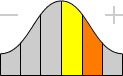
Pain/burning behind breastbone
Risk factors for Esophagitis
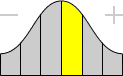
Esophagitis suggests the following may be present
Recommendations for Esophagitis

Zinc
Tissue damaged by esophagitis has demonstrated an enhanced recovery rate with adequate zinc intake.
Key
| Weak or unproven link |
| Strong or generally accepted link |
| Likely to help |
Glossary
Gastric Reflux Disease
Gastro-Esophageal Reflux Disease (GERD). A common relapsing condition affecting approximately 10% of the U.S. population and caused by an abnormal exposure of the lower esophagus to refluxed gastric contents, causing irritation and injury to the esophageal tissues. GERD develops as a result of relaxations of the transient lower esophageal sphincter. Typical presenting symptoms are heartburn, an epigastric burning sensation and acid regurgitation. However, some patients may present with atypical symptoms such as chest pain, shortness of breath, wheezing, and coughing.
Phagocytosis
Process of ingestion and digestion by cells of solid substances such as other cells, bacteria, dead tissue, and foreign particles.
Humoral Immunity
This refers to immunity to infection created by proteins termed antibodies, often referred to as "B" cells.
T-Cell
T cells are lymphocytes that are produced in the bone marrow and mature in the thymus. T cells are responsible for mediating the second branch of the immune system called "cellular immune response." T cells can live for months to years. This lymphocyte population is defined by the presence of a rearranged T-cell receptor.
Lymphocyte
A type of white blood cell found in lymph, blood, and other specialized tissue such as bone marrow and tonsils, constituting between 22 and 28 percent of all white blood cells in the blood of a normal adult human being. B- and T-lymphocytes are crucial components of the immune system. The B-lymphocytes are primarily responsible for antibody production. The T-lymphocytes are involved in the direct attack against living organisms. The helper T-lymphocyte, a subtype, is the main cell infected and destroyed by the AIDS virus.
Leukemia
Cancer of the lymph glands and bone marrow resulting in overproduction of white blood cells (related to Hodgkin's disease).
Lymphoma
Any tumor of the lymphatic tissues.
Diabetes Mellitus
A disease with increased blood glucose levels due to lack or ineffectiveness of insulin. Diabetes is found in two forms; insulin-dependent diabetes (juvenile-onset) and non-insulin-dependent (adult-onset). Symptoms include increased thirst; increased urination; weight loss in spite of increased appetite; fatigue; nausea; vomiting; frequent infections including bladder, vaginal, and skin; blurred vision; impotence in men; bad breath; cessation of menses; diminished skin fullness. Other symptoms include bleeding gums; ear noise/buzzing; diarrhea; depression; confusion.
Esophagus
Commonly called the "food pipe", it is a narrow muscular tube, about nine and a half inches long, that begins below the tongue and ends at the stomach. It consists of an outer layer of fibrous tissue, a middle layer containing smoother muscle, and an inner membrane, which contains numerous tiny glands. It has muscular sphincters at both its upper and lower ends. The upper sphincter relaxes to allow passage of swallowed food that is then propelled down the esophagus into the stomach by the wave-like peristaltic contractions of the esophageal muscles. There is no protective mucosal layer, so problems can arise when digestive acids reflux into the esophagus from the stomach.
Peristalsis
Movement characterized by alternate circular contraction and relaxation of the intestine or other tubular structure which propels the contents onward.
Steroid
Any of a large number of hormonal substances with a similar basic chemical structure containing a 17-carbon 14-ring system and including the sterols and various hormones and glycosides.
Cytotoxic
A compound that produces a toxic effect on cells.
Granulocyte
A mature white blood cell with cytoplasm containing granules.
Topical
Most commonly 'topical application': Administration to the skin.