Dysmenorrhea is the medical term for painful periods or menstrual cramps. The majority of women are thought to experience some degree of dysmenorrhea.
Dysmenorrhea is either primary or secondary. In cases of primary dysmenorrhea, no disease or other medical cause can be found for the pain and other symptoms, which may include backache, diarrhea, dizziness, headache, nausea, vomiting, and a feeling of tenseness. Primary dysmenorrhea frequently affects women in their teens and early 20s, who have never had a baby.
The symptoms are caused by prostaglandin, a natural hormone produced by cells in the uterine lining. The level of prostaglandin increases in the second half of the menstrual cycle. When a woman’s period begins, the cells in the uterine lining release prostaglandin as they are shed. Women with severe primary dysmenorrhea have significantly higher prostaglandin levels in their menstrual fluid than do other women. Usually the symptoms do not last very long – one or two days, but rarely longer.
Secondary dysmenorrhea is caused by a variety of uterine conditions. Women who suffer from it tend to be older than those with primary dysmenorrhea. Endometriosis and fibroids should be investigated as possible causes.
On physical exam and/or ultrasound, if everything is normal, the doctor might recommend prostaglandin-inhibiting medications such as aspirin, ibuprofen, or naproxen. The birth-control pill is sometimes recommended, as it stops ovulation and decreases prostaglandin levels.
In secondary dysmenorrhea, dilation and curettage (D&C) may be recommended to open the cervix and remove tissue for microscopic testing. Once the reason for your secondary dysmenorrhea has been found, your doctor will be able to discuss an appropriate treatment with you. You might also be advised to use prostaglandin-inhibiting drugs or the birth-control pill to relieve symptoms.
Risk factors for Dysmenorrhea, Painful Menstruation
Low Adrenal Function / Adrenal Insufficiency
Dysmenorrhea caused by ovarian dysfunction may disappear when low doses of cortisol are used to improve adrenal influence on ovarian function. [The Safe Uses of Cortisol, William Mck. Jefferies, MD 1996, p.157]
EFA (Essential Fatty Acid) Type 3 Requirement
In a double-blind placebo-controlled study among a group of girls suffering from dysmenorrhea, it was found that the symptoms could be significantly reduced by dietary supplementation with omega-3 fatty acids. This particular study used fish oil. [ American Journal of Obstetrics & Gynecology, April 1996;174(4): pp.1335-1338]
Endometriosis
Endometriosis is the most common cause of menstrual cramps.
Dysmenorrhea, Painful Menstruation suggests the following may be present
Recommendations for Dysmenorrhea, Painful Menstruation

See a Doctor at Earliest Opportunity
Sometimes menstrual pain may be due to endometriosis, or other causes. There is nothing you can really do to determine if endometriosis is the problem without having a doctor order a test.

Bromelain
Bromelain at 250 to 500mg can be taken 3 to 4 times per day on an empty stomach. Fish oil and bromelain make a powerful anti-inflammatory combination.
NSAIDs
Ibuprofen and naproxen sodium are common over-the-counter medications that can help relieve menstrual cramps.
Aerobic Exercise
Regular exercise can help minimize pain and cramping.
Magnesium
Menstrual cramps, irritability, fatigue, depression, and water retention have been lessened with magnesium, usually given along with calcium and often with vitamin B6. Magnesium is often at its lowest level during menstruation. In acute cases, magnesium and vitamin B6 intravenously can stop the cramping. Restoring magnesium sufficiency by consistent supplementation can work to prevent this problem.
Essential Fatty Acids
Long-term improvement may be gained by promoting the build up of anti-inflammatory prostaglandins with Omega-3 fatty acids or fish oil. Six grams of fish oil per day (or about 1,000mg of eicosapentanoic acid, 700mg of docosahexaenoic acid) can be taken every day for 2 or 3 cycles and then reduced, or taken for a total of 14 days starting 10 days before your period.
Hydrotherapy
The use of heat has a good history of relieving menstrual cramps. As warmth increases circulation, it can reduce muscular tension. A warm bath or hot pack on the abdomen can provide significant relief.
The use of Constitutional hydrotherapy has been reported to be beneficial in this condition.
Visualization / Relaxation Techniques
(2009) A study by UCLA psychologists suggests that just the thought of a loved one reduces pain, underscoring the importance of social relationships and staying socially connected.
The study, which asked whether simply looking at a photograph of your significant other can reduce pain, involved 25 women, mostly UCLA students, who had boyfriends with whom they had been in a good relationship for more than six months.
The women received moderately painful heat stimuli to their forearms while they went through a number of different conditions. In one set of conditions, they viewed photographs of their boyfriend, a stranger and a chair.
“When the women were just looking at pictures of their partner, they actually reported less pain to the heat stimuli than when they were looking at pictures of an object or pictures of a stranger,” said study co-author Naomi Eisenberger, assistant professor of psychology and director of UCLA’s Social and Affective Neuroscience Laboratory. “Thus, the mere reminder of one’s partner through a simple photograph was capable of reducing pain.”
“This changes our notion of how social support influences people,” she added. “Typically, we think that in order for social support to make us feel good, it has to be the kind of support that is very responsive to our emotional needs. Here, however, we are seeing that just a photo of one’s significant other can have the same effect.”
In another set of conditions, each woman held the hand of her boyfriend, the hand of a male stranger and a squeeze ball. The study found that when women were holding their boyfriends’ hands, they reported less physical pain than when they were holding a stranger’s hand or a ball while receiving the same amount of heat stimulation.
“This study demonstrates how much of an impact our social ties can have on our experience and fits with other work emphasizing the importance of social support for physical and mental health,” Eisenberger said.
One practical piece of advice the authors give is that the next time you are going through a stressful or painful experience, if you cannot bring a loved one with you, a photo may do.
Vitamin E
Supplementation with vitamin E (500IU per day) from 2 days before menstrual onset through the third day of bleeding, for two consecutive menstrual cycles reduced pain in a placebo-controlled trial of 100 young women with primary dysmenorrhea. [BJOG 2001;108(11): pp.1181-1183]
Another study used vitamin E successfully at a dosage of 75 – 400IU tid. [Butler & McKnight. Lancet 1: pp.844-47, 1955]
Vitamin Inositol Hexaniacinate
There is evidence that niacin may be beneficial for the treatment of dysmennorhea. Hudgins reported on a group of 80 women suffering from painful menstrual cramps who were supplemented with 100mg niacin twice daily, beginning 7 to 10 days before the onset of menses and then every 2 to 3 hours during heavy cramps. 90% of participants experienced significant relief. It should be noted that the dosage required during heavy cramping is high enough to cause unpleasant side effects and that it would seem that the use of flush-free niacin (inositol hexaniacinate) might be indicated. In addition, the inositol would provide lipotropic effects. Lipotropic agents help in the metabolism of hormones by the liver, important for the prevention of PMS.
Vitamin B3 (Niacin)
Niacin (and possibly flush-free niacin) at 100mg every 2 to 3 hours in acute cases has been used. Please start using niacin at least one week before your anticipated period. 200mg per day taken throughout the menstrual cycle would make sure that the maximum benefit would be achieved [Am Practice Digest Treat 1952;3: pp.892-3].
Vitamin B1 (Thiamine)
In a well-designed controlled trial of 556 girls with moderate to severe menstrual cramping, vitamin B1 (100mg daily by mouth) for 3 months produced amazing results. 87% were cured, 8% were almost completely relieved, while 5% were not benefited at all. [ Indian J Med Res May, 1996;103: pp.227-231]
Please note that a B1deficiency is more common in India, making it less likely that this supplement would help women who do not have a deficiency.
Key
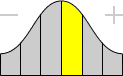
| Weak or unproven link |
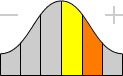
| Strong or generally accepted link |
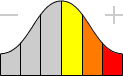
| Proven definite or direct link |
| May do some good |
| Likely to help |
Glossary
Dysmenorrhea
Difficult or painful menstruation.
Diarrhea
Excessive discharge of contents of bowel.
Nausea
Symptoms resulting from an inclination to vomit.
Prostaglandin
Any of a class of physiologically active substances present in many tissues, with effects such as vasodilation, vasoconstriction, stimulation of the smooth muscles of the bronchus or intestine, uterine stimulation; also involved in pain, inflammation, fever, allergic diarrhea, and dysmenorrhea. A potent hormone -- similar in structure to an unsaturated fatty acid -- that acts in extremely low concentrations on local target organs; first isolated from the prostate.
Hormones
Chemical substances secreted by a variety of body organs that are carried by the bloodstream and usually influence cells some distance from the source of production. Hormones signal certain enzymes to perform their functions and, in this way, regulate such body functions as blood sugar levels, insulin levels, the menstrual cycle, and growth. These can be prescription, over-the-counter, synthetic or natural agents. Examples include adrenal hormones such as corticosteroids and aldosterone; glucagon, growth hormone, insulin, testosterone, estrogens, progestins, progesterone, DHEA, melatonin, and thyroid hormones such as thyroxine and calcitonin.
Endometriosis
A condition whereby endometrial tissue builds up in parts of the uterus where it does not belong or areas outside of the uterus, forming 'ectopic implants'. Unlike the normal tissue lining the uterus, ectopic tissue has no place to shed in response to a decline in estrogen and progesterone. This results in debris and blood accumulating at the site of the implant leading to inflammation, scarring and adhesions that ultimately cause symptoms and complications. Symptoms typically occur in a cyclic fashion with menstrual periods, the most common being pelvic pain and cramping before and during periods; pain during intercourse; inability to conceive; fatigue; painful urination during periods; gastrointestinal symptoms such as diarrhea, constipation, and nausea.
Dilation and Curettage
The scraping of the lining of the uterus (the endometrium). There are two main reasons for performing a D&C: to remove tissue remaining in the womb in a recently pregnant woman, and as part of the investigation of a woman who is experiencing heavy or irregular periods or vaginal bleeding after menopause.
D&C
Dilation and curettage or D&C, is the scraping of the lining of the uterus (the endometrium). There are two main reasons for performing a D&C: in recently pregnant woman in order to remove tissue remaining in the womb, and as part of the investigation of heavy or irregular periods or vaginal bleeding after menopause.
Cervix
The lower part of the uterus that opens into the vagina.
Fatty Acids
Chemical chains of carbon, hydrogen, and oxygen atoms that are part of a fat (lipid) and are the major component of triglycerides. Depending on the number and arrangement of these atoms, fatty acids are classified as either saturated, polyunsaturated, or monounsaturated. They are nutritional substances found in nature which include cholesterol, prostaglandins, and stearic, palmitic, linoleic, linolenic, eicosapentanoic (EPA), and decohexanoic acids. Important nutritional lipids include lecithin, choline, gamma-linoleic acid, and inositol.