Heartburn is a symptom of gastroesophageal reflux disease (GERD), which is a digestive disorder that affects the lower esophageal sphincter (LES) – the muscle connecting the esophagus with the stomach. Many people, often pregnant women, suffer from heartburn or acid indigestion caused by GERD. Some doctors believe that some people suffer from GERD due to a condition called hiatal hernia. In most cases, heartburn can be relieved through diet and lifestyle changes; however, some people may require medication or surgery.
Up to 15 million Americans experience heartburn daily. Some studies have reported that 36% to 44% of adults experience heartburn at least once per month, 14% every week, and 7% once a day. Gastroesophageal reflux disease itself is common. One study reported that 20% of people had frequent symptoms of GERD but that very few of them sought help for the condition. People at all ages are susceptible to GERD. Elderly people with GERD tend to have a more serious condition than younger people with the problem.
Pregnant women are particularly vulnerable to GERD in their third trimester as the growing uterus puts increasing pressure on the stomach. Heartburn in such cases is often resistant to dietary interventions and even antacids.
In normal digestion, the LES opens to allow food to pass into the stomach and closes to prevent food and acidic stomach juices from flowing back into the esophagus. Gastroesophageal reflux occurs when the LES is weak or relaxes inappropriately allowing the stomach’s contents to flow up into the esophagus.
Unlike the lining of the stomach, which has a thin layer of protective mucus, the lining of the esophagus offers only a weak defense against stomach acid and other harmful substances. The most important structure in protecting the esophagus is the LES but if, in spite of LES pressure, there is some acid back-up (reflux), an additional defense mechanism, the peristaltic action of the esophagus, pushes the residue back down into the stomach.
If the LES or the peristaltic action is impaired, stomach tone is increased or other protective mechanisms fail, then acid and other substances back up into the esophagus from the stomach, causing GERD. The most common symptoms of GERD are heartburn (a burning sensation in the chest and throat) and regurgitation (a sensation of acid backed up in the esophagus). In most people, the symptoms are short-lived and occur infrequently. In about 20% of cases, however, the condition becomes chronic. In such cases, the acid can cause irritation, inflammation, and even erosion of the esophagus (a condition called esophagitis). Although acid is a primary factor in damage caused by GERD, other products of the digestive tract, including pepsin and bile, can also be harmful.
In some cases the esophagus may be hypersensitive. When irritants are introduced into the esophagus, the immune system reacts with an exaggerated (hyperreactive) response to them, triggering the release of agents that cause inflammation and possibly injury. This event is similar to the asthmatic response to irritants in the airways.
The severity of GERD depends on tissue sensitivity, LES dysfunction, the type and amount of fluid brought up from the stomach and the neutralizing effect of saliva. Some doctors believe a hiatal hernia may weaken the LES and cause reflux. Recent studies show that the opening in the diaphragm acts as an additional sphincter around the lower end of the esophagus. Studies also show that hiatal hernia results in retention of acid and other contents above this opening. These substances can reflux easily into the esophagus.
Dietary and lifestyle choices may contribute to GERD. Certain foods and beverages, including chocolate, peppermint, spearmint, fried or fatty foods, coffee, garlic, onions or alcoholic beverages, may weaken the LES or increase stomach tone causing reflux and heartburn. Caffeinated drinks and decaffeinated coffee increase acid content in the stomach. Other acidic foods include citrus and tomato products. All carbonated beverages increase the risk for symptoms of GERD by bloating the abdomen and causing pressure that forces acid up into the esophagus. Food allergies may be responsible for some cases of gastroesophageal reflux disease in children. Studies show that cigarette smoking relaxes the LES and that obesity and pregnancy can also cause GERD.
Anyone who eats a heavy meal, particularly if one subsequently lies on the back or bends over from the waist, is at risk of an attack of heartburn. Anyone who snacks at bedtime is at high risk of GERD.
Persistent GERD may be due to abnormal biologic or structural factors which, as well as malfunction of the LES muscles, include defects or injuries in the lining of the esophagus, peristalsis problems, over-acidic stomach contents, amongst others. Some people may be sensitive to digestive factors other than acid; such substances can cause GERD symptoms, but are likely to be missed during a medical examination.
Indigestion might be caused by a disease or an ulcer in the digestive tract, but for most people it is simply a result of eating too much, eating too quickly, eating high-fat foods, or eating during stressful situations. Smoking, drinking too much alcohol, using medications that irritate the stomach lining, being tired, or having ongoing stress can also cause indigestion or make it worse.
In one study, over half of GERD patients showed abnormal nerve or muscle function in the stomach, which caused impaired motility – an inability of the muscles to contract normally. This causes delays in stomach emptying, increasing the risk of acid reflux.
In a small percentage of chronic patients, a serious form of GERD called Barrett’s esophagus may eventually develop, in which the erosion can lead to cancerous changes in the tissue lining of the esophagus. It should be noted that symptoms of GERD may be present without any signs of injury to the esophagus.
Using antacids and other acid blockers can begin a vicious cycle. When the acid is neutralized, the LE sphincter is weakened. This allows any remaining acid to sometimes slip past and irritate the esophagus. So, you take an antacid and you feel better, because you lessen even more what little acid remains that has been irritating your already sensitive esophagus. This really is not the solution to the problem.
Acid reflux during the night tends to be more harmful than during the day because it is associated more with complications such as narrowing the esophagus, alterations of the esophagus and cancerous changes of the esophagus and esophageal cancer.
Signs, symptoms & indicators of Heartburn / GERD
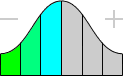
Absence of heartburn
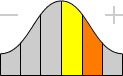
Pain/burning behind breastbone
Conditions that suggest Heartburn / GERD
Gastric/Peptic Ulcers
There is a relatively high prevalence of GERD amongst patients with duodenal or gastric ulcers. Persistent dyspepsia/heartburn symptoms after eradication of H. pylori and ulcer resolution might suggest the treatment of GERD as a separate entity. [Am J Gastroenterol 2000;95: pp.101-105]
Asthma
About half of asthmatic patients also have GERD, of which heartburn is a symptom. It is not entirely clear, however, whether asthma is a cause or effect of GERD. Some experts speculate that the coughing and sneezing accompanying asthmatic attacks cause changes in pressure in the chest that can trigger reflux. Exercise-induced asthma does not appear to be related to GERD. Certain asthmatic drugs that dilate the airways may relax the LES and contribute to GERD.
Risk factors for Heartburn / GERD
Crohn's Disease
Crohn’s disease is a chronic ailment that causes inflammation and injury in the colon and other parts of the gastrointestinal tract, including the esophagus.
Dehydration
Dr. Batmanghelidj, author of Your Bodies Many Cries for Water, believes that in the same way we have a “hunger pain” signal, we also have a “thirst pain” signal in the body, and that it is called dyspepsia (heartburn).
Overconsumption
Overeating is the most common cause of heartburn. People who suffer from gastroesophogeal reflux disease (GERD) are often warned against fatty food, which is thought to exacerbate heartburn symptoms. After a review of several studies on the subject, an Italian researcher has concluded that too many calories, not too much fat, is the reason why certain meals upset the stomach. [European Journal of Gastroenterology and Hepatology 2000;12: pp.1343-1345 ]
Hiatal Hernia
Hiatal hernia often causes burning and difficulty in swallowing. Hiatal hernia and GERD can both cause heartburn.
Hydrochloric Acid Deficiency
Based on the clinical experience of doctors such as Dr. Jonathon Wright, MD, supplementing with hydrochloric acid sometimes relieves the symptoms of heartburn and improves digestion in individuals who have hypochlorhydria. Unexplained bloating, belching and heartburn are frequently diagnosed as symptoms of hyperacidity and sometimes wrongly treated with antacids, when in fact the underlying problem is insufficient acid production.
For those who have heartburn because of hypochlorhydria, antacids or medications which reduce acid production may bring relief of the heartburn but can lead to poor digestion and contribute to dysbiosis, leaky gut, and food allergies.
Prescription Drug Side-Effects
A research team found a 65% increased risk of heartburn after bedtime in those who used benzodiazepine sleeping aids such as Ativan, Halcion, Valium and Xanax. [Chest May 2005;127(5): pp.1658-1666]
Hypothyroidism
Gastrointestinal manifestations of hypothyroidism include GERD as a result of delayed emptying of the stomach.
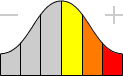
History of antacid use or currently using antacid
Calcium-based antacid use
Magnesium-based antacid use
Aluminum-based antacid use
H2-blocker antacid use
The proton pump inhibitors like Tagamet, Pepcid, and Zantac reduce the amount of acid you have in your stomach, thus affecting your ability to properly digest food. Reduction of acid in the stomach also diminishes your primary defense mechanism for food-borne infections and can alter the bacterial balance lower in the GI tract.
PPI antacid use
The proton pump inhibitors like Prevacid and Prilosec significantly reduce the amount of acid you have, thus affecting your ability to properly digest food. Reduction of acid in the stomach also diminishes your primary defense mechanism for food-borne infections.
Also see the link between GERD and Conventional Drugs.
Regular bicarbonate use
Drinking carbonated drinks daily or drinking carbonated drinks
Researchers reviewed data from a large, ongoing Sleep Heart Health Study, focused on investigating the connections between disturbed sleep and cardiovascular health.
Data showed that almost a quarter of the 15,000 patients surveyed reported heartburn problems while sleeping; and those who drank one or more carbonated soft drinks a day increased their risk of developing heartburn at night by almost a third, compared to patients who stayed away from them.
Carbonated drinks can cause heartburn because most of them are extremely acidic, and drinking carbonated beverages forces your body to consume carbon dioxide, which can cause more distension of the stomach and more acid reflux. [Chest May 2005;127(5): pp.1658-1666]
(High) coffee consumption
Coffee affects the lower esophageal sphincter and thus contributes to the reflux of stomach acid into the throat (heartburn).
Not chewing food sufficiently
There have been cases where individuals with GERD began chewing their food thoroughtly and became symptom free, no longer requiring medication.
Past pain/burning behind breastbone
History of asthma
About half of asthmatic patients also have GERD, of which heartburn is a symptom. It is not entirely clear, however, whether asthma is a cause or effect of GERD. Some experts speculate that the coughing and sneezing accompanying asthmatic attacks cause changes in pressure in the chest that can trigger reflux. Exercise-induced asthma does not appear to be related to GERD. Certain asthmatic drugs that dilate the airways may relax the LES and contribute to GERD.
Heartburn / GERD suggests the following may be present
Gastric/Peptic Ulcers
There is a relatively high prevalence of GERD amongst patients with duodenal or gastric ulcers. Persistent dyspepsia/heartburn symptoms after eradication of H. pylori and ulcer resolution might suggest the treatment of GERD as a separate entity. [Am J Gastroenterol 2000;95: pp.101-105]
Barrett's Esophagus
Barrett’s esophagus usually doesn’t produce any specific symptoms on its own, but people with chronic acid reflux problems may experience a variety of symptoms including heartburn, regurgitation of food, swallowing difficulties, excess belching, hoarseness, sore throat, cough, or breathing problems similar to asthma such as shortness of breath and wheezing.
Recommendations for Heartburn / GERD

Probiotics / Fermented Foods
The use of acidophilus capsules has helped relieve heartburn in some patients.

Orange Peel
Products containing orange peel extract deliver relief from occasional heartburn, acid indigestion, and upset stomach. They will not reduce mineral absorption or inhibit protein digestion, and do not shut down acid production nor adversely affect acid-producing cells, as many antacids do.
Orange peel extract should be standardized to contain a minimum of 98% of d-limonene. Upon first experiencing symptoms, take one softgel capsule (1,000mg) every other day for 20 days, and one softgel capsule as needed for ocassional relief thereafter.
Almost 90% of participants reported resolution of heartburn symptoms 2 weeks after starting orange peel extract. Almost 1/3 experienced resolution of heartburn symptoms as early as day 2 of the study. What’s more, even though participants stopped taking the orange peel extract, they reported symptom resolution on days 21, 28, and 35. That means they hadn’t experienced heartburn even 2 weeks after they stopped taking orange peel extract. Occasionally, after completing the 20-day treatment period, some people may experience mild heartburn after eating foods they had previously avoided. The study scientists concluded these individuals overindulged on these “forbidden” foods. Taking a single orange peel extract capsule as needed usually solves this problem.
Warnings:
Do not use if you have, or suspect you have an ulcer; or if pregnant or nursing.

Licorice Root (Glycyrrhiza glabra)
A sometimes effective way to resolve reflux and indigestion is the use of DGL licorice for a few days.
Herbal Combinations
Digest RC has been used to treat and prevent digestive disorders including acid reflux.
Picrorhiza (Picrorhiza kurroa)
The bitter rhizomes of picrorhiza have been used for thousands of years in India for people with indigestion and were considered a substitute for gentian. [Krishnamurthy A. The Wealth of India vol VIII. New Delhi, Publication and Information Directorate, Council of Scientific and Industrial Research, 1969, p.49]
Reduced Calorie Consumption
People who suffer from gastroesophogeal reflux disease (GERD) are often warned against fatty food, which is thought to exacerbate heartburn symptoms. After a review of several studies on the subject, an Italian researcher has concluded that too many calories, not too much fat, is the reason why certain meals upset the stomach. [European Journal of Gastroenterology and Hepatology 2000;12: pp.1343-1345 ]
Weight Loss
Obesity is known to be a cause of GERD.
Alcohol Avoidance
Coffee and alcohol increase stomach acid, which may result in more irritation if reflux does occur.

Eating Nearer to Bedtime
In those who experience heartburn made worse by lying down, eating before bed may not be a good idea. Eating your last meal at least 3 hours before bed should reduce the likelihood of reflux at bedtime.
Nearly 50 GERD patients and twice as many “controls” without the disease were given a questionnaire to determine the amount of time they took between finishing dinner and going to bed. Those who went to bed within three hours after eating were 7.5 times more likely to suffer from heartburn. [Yahoo News December 27, 2005]
Chewing Gum
Gum chewing can increase saliva quantity by 130%. Saliva is rich in esophageal protective factors including epidermal growth factor, mucin, proteins and prostaglandin E2.
A study found that chewing sugarless gum or walking after a meal can neutralize throat acid and relieve symptoms of gastroesophageal reflux disease, or GERD. Chewing gum stimulates the production of saliva, which can help neutralize and wash away the acid in your throat when swallowed. This approach worked better than walking, according to researchers, walking was found to be only mildly beneficial in reducing GERD. Researchers suggest that gum chewing after meals may provide relief for those who suffer from occasional heartburn, and chewing a gum that contains antacid may provide even more relief. [MSN News November 17, 2003]

Conventional Drugs / Information
If you are currently taking a proton pump inhibitor like Prilosec or Nexium you should not stop these drugs suddenly. That is one of their main dangers, in that while they relieve your symptoms they actually make the underlying condition worse and cause you to be dependent on them. Transition to an H2 receptor antagonist like Zantac at bedtime and then gradually wean off the Zantac. Zantac is much safer than these proton pump inhibitors.
Tobacco Avoidance
Studies show that cigarette smoking relaxes the lower esophageal sphincter (LES).
Aerobic Exercise
Heartburn is more frequent when exercising within 2 hours of eating. However, for some people, the weight loss experienced with more exercise reduces heartburn symptoms.
Digestive Enzymes / (Trial)
The use of digestive enzymes, especially plant-based enzymes, can increase HCL production and reduce heartburn by tightening the lower esophageal sphincter, thus helping prevent the reflux of acid into the esophagus.
Hydrochloric Acid (Trial)
Caution should be advised regarding the use of HCL in heartburn patients. It can be supplemented on a trial basis after acute symptoms are resolved and if the stomach lining is not inflammed. Contrary to what seems logical, heartburn can be an indication of not enough stomach acid.
MSM (Methyl Sulfonyl Methane)
Doctors using MSM agree that patients who have used antacids and histamine receptor antagonists to control hyperacidity can employ MSM with good results.
Calcium
Although calcium use will neutralize acid found in the esophagus, it also neutralizes it in the stomach, where acid is needed for proper digestion. The routine use of acid neutralizers or drugs to prevent acid production are not recommended by many natural doctors, because of the possible consequences to the digestive process.
Calcium carbonate gum (600mg/dose or 900mg/dose) increased esophageal pH and reduced heartburn for up to 120 minutes after dosing in a study of 24 subjects. High dose calcium carbonate gum (900mg) provided more prolonged symptom relief and pH control than chewable antacid tablets (1000mg). [Aliment Pharmacol Ther2002;16(12): pp.2029-36]
Lecithin / Choline / GPC
The use of phosphatidylcholine (PC) has provided relief to some patients as the signal to close the lower esophageal sphincter is controlled by acetylcholine. Suggested dose is 400mg PC BID. This could come from approximately 2 to 4gm of lecithin BID. One teaspoon of lecithin granules is about 2 grams.
If the use of PC is helpful, further improvement may be seen with the addition of Huperzine (extract of Chinese club moss) 50mcg BID. Huperzine inhibits the breakdown of the neurotransmitter acetylcholine.
Incline Board
It has long been known that stomach acid tends to reflux more when one is lying flat. Based on this knowledge, a natural treatment was developed long ago for heartburn that occurs at night. By slipping a 4 to 6 inch high block beneath each of the legs at the head of the bed a slight incline is produced. Gravity may pull the stomach downward and minimize the amount of stomach acid that refluxes into the esophagus. Many people find that this technique provides the additonal relief they are looking for and prevents further esophageal erosion.
Another solution may be the use of a special pillow, such as the Prop Up Pillow. These pillows are specially designed to create an incline and relieve the heartburn discomfort found in several disorders. Pillows are useful when one’s partner does not wish to sleep on an inclined bed.
Key
| Weak or unproven link |
| Strong or generally accepted link |
| Proven definite or direct link |
| Very strongly or absolutely counter-indicative |
| May do some good |
| Likely to help |
| Highly recommended |
| May have adverse consequences |
| Reasonably likely to cause problems |
Glossary
Gastric Reflux Disease
Gastro-Esophageal Reflux Disease (GERD). A common relapsing condition affecting approximately 10% of the U.S. population and caused by an abnormal exposure of the lower esophagus to refluxed gastric contents, causing irritation and injury to the esophageal tissues. GERD develops as a result of relaxations of the transient lower esophageal sphincter. Typical presenting symptoms are heartburn, an epigastric burning sensation and acid regurgitation. However, some patients may present with atypical symptoms such as chest pain, shortness of breath, wheezing, and coughing.
Esophagus
Commonly called the "food pipe", it is a narrow muscular tube, about nine and a half inches long, that begins below the tongue and ends at the stomach. It consists of an outer layer of fibrous tissue, a middle layer containing smoother muscle, and an inner membrane, which contains numerous tiny glands. It has muscular sphincters at both its upper and lower ends. The upper sphincter relaxes to allow passage of swallowed food that is then propelled down the esophagus into the stomach by the wave-like peristaltic contractions of the esophageal muscles. There is no protective mucosal layer, so problems can arise when digestive acids reflux into the esophagus from the stomach.
LES
Lower Esophageal Sphincter. A band of muscle around the bottom of the esophagus where it meets the stomach. The LES opens after a person swallows to let food enter the stomach and then immediately closes to prevent regurgitation of the stomach contents, including gastric acid. It then maintains this pressure barrier until food is swallowed again.
Stomach
A hollow, muscular, J-shaped pouch located in the upper part of the abdomen to the left of the midline. The upper end (fundus) is large and dome-shaped; the area just below the fundus is called the body of the stomach. The fundus and the body are often referred to as the cardiac portion of the stomach. The lower (pyloric) portion curves downward and to the right and includes the antrum and the pylorus. The function of the stomach is to begin digestion by physically breaking down food received from the esophagus. The tissues of the stomach wall are composed of three types of muscle fibers: circular, longitudinal and oblique. These fibers create structural elasticity and contractibility, both of which are needed for digestion. The stomach mucosa contains cells which secrete hydrochloric acid and this in turn activates the other gastric enzymes pepsin and rennin. To protect itself from being destroyed by its own enzymes, the stomach’s mucous lining must constantly regenerate itself.
Hiatal Hernia
Hiatal hernia occurs when the upper part of the stomach moves up into the chest through a small opening in the diaphragm (a diaphragmatic hiatus). This is a common problem and most people are not bothered by it. A hernia may allow stomach acid to flow back into the esophagus ("food pipe"), where it can cause problems. The most common symptom is burning in your chest (heartburn), especially at night when you are lying down. Other possible signs include burping and trouble swallowing.
Antacid
Neutralizes acid in the stomach, esophagus, or first part of the duodenum.
Chronic
Usually Chronic illness: Illness extending over a long period of time.
Bile
A bitter, yellow-green secretion of the liver. Bile is stored in the gallbladder and is released when fat enters the first part of the small intestine (duodenum) in order to aid digestion.
Immune System
A complex that protects the body from disease organisms and other foreign bodies. The system includes the humoral immune response and the cell-mediated response. The immune system also protects the body from invasion by making local barriers and inflammation.
Diaphragm
The muscle separating the stomach from the chest.
Allergy
Hypersensitivity caused by exposure to a particular antigen (allergen), resulting in an increased reactivity to that antigen on subsequent exposure, sometimes with harmful immunologic consequences.
Peristalsis
Movement characterized by alternate circular contraction and relaxation of the intestine or other tubular structure which propels the contents onward.
Ulcer
Lesion on the skin or mucous membrane.
Motility
Capacity for spontaneous movement, frequently in reference to the intestine.
Cancer
Refers to the various types of malignant neoplasms that contain cells growing out of control and invading adjacent tissues, which may metastasize to distant tissues.
Duodenum
First portion of the small intestine between the pylorus and jejunum.
Peptic Ulcer
A general term for gastric ulcers (stomach) and duodenal ulcers (duodenum), open sores in the stomach or duodenum caused by digestive juices and stomach acid. Most ulcers are no larger than a pencil eraser, but they can cause tremendous discomfort and pain. They occur most frequently in the 60 to 70 age group, and slightly more often in men than in women. Doctors now know that there are two major causes of ulcers: most often patients are infected with the bacteria Helicobacter pylori (H. pylori); others are regular users of non-steroidal anti-inflammatory drugs (NSAIDS), which include common products like aspirin and ibuprofen.
Dyspepsia
Indigestion.
Helicobacter Pylori
H. pylori is a bacterium that is found in the stomach which, along with acid secretion, damages stomach and duodenal tissue, causing inflammation and peptic ulcers. Although most people will never have symptoms or problems related to the infection, they may include: dull, 'gnawing' pain which may occur 2-3 hours after a meal, come and go for several days or weeks, occur in the middle of the night when the stomach is empty and be relieved by eating; loss of weight; loss of appetite; bloating; burping; nausea; vomiting.
Asthma
A lung disorder marked by attacks of breathing difficulty, wheezing, coughing, and thick mucus coming from the lungs. The episodes may be triggered by breathing foreign substances (allergens) or pollutants, infection, vigorous exercise, or emotional stress.
Crohn's Disease
Chronic inflammatory disease of the gastrointestinal tract. The most common symptoms are abdominal pain, often in the lower right area, and diarrhea. Rectal bleeding, weight loss, and fever may also occur. Bleeding may be serious and persistent, leading to anemia.
Colon
The part of the large intestine that extends to the rectum. The colon takes the contents of the small intestine, moving them to the rectum by contracting.
Gastrointestinal
Pertaining to the stomach, small and large intestines, colon, rectum, liver, pancreas, and gallbladder.
Hydrochloric Acid
(HCl): An inorganic acidic compound, excreted by the stomach, that aids in digestion.
Hypochlorhydria
The condition of having low hydrochloric acid levels in the stomach, often the cause of digestive disorders.
Hypothyroidism
Diminished production of thyroid hormone, leading to low metabolic rate, tendency to gain weight, and sleepiness.
Cardiovascular
Pertaining to the heart and blood vessels.