Chronic exposure to refined carbohydrates and simple sugars can cause elevated levels of insulin, which drives glucose levels down. This can result in hypoglycemia (low blood sugar). Over time, tissues may become less sensitive to insulin and as a result glucose cannot enter the cells as easily. This means more glucose in the bloodstream and a greater tendency to convert it into fat instead of energy. Elevated insulin levels (hyperinsulinemia) cause the body to have difficulty breaking down fat also.
Indications of hyperinsulinemia include weight gain (especially around the waste producing the apple shape, not the pear shape), increased blood pressure and cholesterol. When several factors are present, it may be called Syndrome X. Testing for elevated insulin levels can be an important step toward better health, and the prevention of diabetes and chronic disease processes later in life.
Insulin is primarily a storage hormone. Its main purpose is to store nutrients in your body. However, insulin stores more than just glucose. It works in the same way with protein and fat.
- Insulin increases the activity of lipoprotein lipase (LPL). When it’s expressed in adipose tissue (body fat), this enzyme promotes the storage of fat.
- Insulin inhibits the action of hormone sensitive lipase, the enzyme responsible for breaking down stored fat and preparing it for use as energy.
- Insulin also activates an enzyme called acetyl co-enzyme A carboxylase , which, along with fatty acid synthase, is responsible for converting carbohydrate into fat.
High levels of insulin make it less likely that your body will use stored fat as a fuel source. Some evidence that this is the case comes from a recent study completed at England’s Loughborough University. Eight subjects received either a high or low glycemic index meal three hours prior to exercise. Each meal contained identical amounts of protein, carbohydrate and fat. Insulin levels following the meal containing the high glycemic index carbohydrate increased by a massive 1000% after just 15 minutes.
Signs, symptoms & indicators of Elevated Insulin Levels
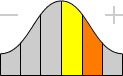
High systolic blood pressure
High diastolic blood pressure
Early male pattern baldness
Although early baldness on the top of the head may be a non-modifiable risk factor for heart disease, it may serve as a useful clinical marker to identify men at increased risk of insulin problems and cardiac risk who would benefit from more detailed screening and lifestyle, dietary, nutritional and other interventive therapies. [Lancet September 30, 2000; 356: pp.1165-1166]
Conditions that suggest Elevated Insulin Levels
Diabetes Type I
Insulin resistance may still be a problem even in those taking insulin. The measures for lowering this resistance should be considered.
Counter Indicators
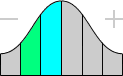
Hypertension
Up to 50% of patients with hypertension are estimated to have insulin resistance.
Low SHBG
Research has discovered that sex hormone binding globulin (SHBG), a relatively unknown blood protein, is a reasonably good indicator of insulin resistance. Low levels of SHBG are consistently linked to high levels of insulin in the body. Sustained high levels of insulin are, in turn, associated with the development of the chronic diseases such as high blood pressure, diabetes and coronary heart disease.
Gout / Hyperuricemia
Preliminary research suggests that insulin resistance may play a role in the development of gout. Gout is strongly associated with the consequences of insulin resistance i.e. obesity, hypertension, hyperlipidemia and diabetes.
Diabetes Type II
Hyperinsulinemia and insulin resistance are both factors that increase the risk of developing type 2 diabetes. Hyperinsulinemia often predates diabetes by several years.
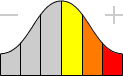
Polycystic Ovary Syndrome (PCOS)
Researchers found that 75% of women studied with PCOS were hyperinsulinemic. [Fertil Steril 2000;73(1): pp.150-156, J Clin Endocrinol Metab 1999;84(6): pp.1897-1899]
Insulin resistance is a unique feature of PCOS and not of hyperandrogenic states in general. PCOS is an important risk factor for the development of type 2 diabetes mellitus in women. It is estimated that approximately 10% of diabetes in premenopausal women is PCOS related.
Risk factors for Elevated Insulin Levels
Early puberty onset
Girls with premature puberty have been found to have elevated insulin and DHEA-S levels. This contributes to the weight gain usually seen in advanced PCOS.”
Lack of Sleep
A study found that people who do not get enough sleep on a regular basis may become less sensitive to insulin which, over time, can raise the risk of obesity, high blood pressure and diabetes. Chronic sleep deprivation (under 6.5 hours per night) had the same effect on insulin resistance as aging.
(Highly) elevated insulin level
Elevated C-Peptide level
Counter Indicators
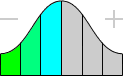
Normal/low insulin level
Stress
One of cortisol’s undesirable effects is it contributes to insulin resistance by decreasing the rate of glucose uptake, probably by blocking the insulin receptor. [J Clin endocrinol Metab 54 (1982) : pp.131-138]
Eating a high glycemic diet
Having abdominal fat or apple-shaped body when overweight
Counter Indicators
Pear-shaped body when overweight
Elevated Insulin Levels suggests the following may be present
Lack of Sleep
A study found that people who do not get enough sleep on a regular basis may become less sensitive to insulin which, over time, can raise the risk of obesity, high blood pressure and diabetes. Chronic sleep deprivation (under 6.5 hours per night) had the same effect on insulin resistance as aging.
Stress
One of cortisol’s undesirable effects is it contributes to insulin resistance by decreasing the rate of glucose uptake, probably by blocking the insulin receptor. [J Clin endocrinol Metab 54 (1982) : pp.131-138]
Metabolic Syndrome (Syndrome X)
Syndrome X is the variable combination of obesity (usually central in distribution), insulin resistance with elevated insulin levels, high blood cholesterol and hypertension.
Polycystic Ovary Syndrome (PCOS)
Researchers found that 75% of women studied with PCOS were hyperinsulinemic. [Fertil Steril 2000;73(1): pp.150-156, J Clin Endocrinol Metab 1999;84(6): pp.1897-1899]
Insulin resistance is a unique feature of PCOS and not of hyperandrogenic states in general. PCOS is an important risk factor for the development of type 2 diabetes mellitus in women. It is estimated that approximately 10% of diabetes in premenopausal women is PCOS related.
Elevated Insulin Levels can lead to
Hypertension
Up to 50% of patients with hypertension are estimated to have insulin resistance.
Gout / Hyperuricemia
Preliminary research suggests that insulin resistance may play a role in the development of gout. Gout is strongly associated with the consequences of insulin resistance i.e. obesity, hypertension, hyperlipidemia and diabetes.
Increased Risk of Breast Cancer
“Women with the highest insulin levels in their blood were more than two times more likely to develop breast cancer than women with the lowest insulin levels.” Moreover, “when we controlled for insulin, the association between obesity and breast cancer became much weaker,” adds Dr. Gunter. “This means that a large component of that obesity-cancer relationship may be mediated by insulin levels.”
Higher-than-normal levels of insulin place postmenopausal women at increased risk of breast cancer, researchers at Albert Einstein College of Medicine of Yeshiva University report. Their findings, published in the January 7, 2009 issue of the Journal of the National Cancer Institute, suggest that interventions that target insulin and its signaling pathways may decrease breast cancer risk in these women.
Increased Risk of Colon Cancer
Elevated insulin production, as reflected by elevated concentrations of plasma C-peptide, may predict the risk of developing colorectal cancer, independently of BMI, factors related to insulin resistance, or levels of IGF-I and IGFBP-3. [J Natl Cancer Inst. 2004 Apr 7;96(7): pp.546-53]
Increased Risk of Rectal Cancer
Elevated insulin production, as reflected by elevated concentrations of plasma C-peptide, may predict the risk of developing colorectal cancer, independently of BMI, factors related to insulin resistance, or levels of IGF-I and IGFBP-3. [J Natl Cancer Inst. 2004 Apr 7;96(7): pp.546-53]
Recommendations for Elevated Insulin Levels

Grape Seed Extract / Resveratrol
Research in mice demonstrated that the phytoalexin, resveratrol, can prevent or attenuate the diabetic (insulin resistant) condition. The investigators found that resveratrol activated one or more SIRT enzymes that eliminated a fat-associated inhibitor of insulin action (protein tyrosine phosphatase 1B). The net result of resveratrol’s action was to convert muscle, fat and liver tissue cells to an insulin-sensitive state. Subsequently, this allowed glucose to be removed from the blood, returning the tissues to energy homeostasis. [J. Cell Metabolism, October 2007; vol 6: pp 247-249]
The question remains as to whether the encouraging results obtained with animal and cell culture research will hold true for humans.
Irvingia Gabonensis (African Mango)
Irvingia gabonensis (African Mango) extract administered twice a day to healthy, overweight and obese individuals resulted in both weight reduction (body weight, body fat, waist size) and an improvement in metabolic parameters associated with insulin resistance. [Lipids in Health and Disease 2009, 8:7doi:10.1186/1476-511X-8-]

Cinnamon (Cinnamonum zeylanicum)
Cinnamon with each meal helps keep insulin and blood sugar levels under control. The typical 1/2 to 3/4 teaspoon dose contains a phytochemical called methyl hydroxy chalcone polymer (MHCP) which improves cellular glucose utilization and increases the sensitivity of insulin receptors in laboratory studies. Personal testimonies indicate that this effect is seen in humans, but further study is required to confirm this.
Fructose Avoidance/reduction
Please see the link between Metabolic Syndrome and Fructose Avoidance.
Sugars Avoidance / Reduction
The notion that foods with a low glycemic index aid fat loss is based on the idea they help to control insulin levels. A sample list of these foods can be found on our web site.
High/Increased Protein Diet
Carbohydrates such as simple sugars, grains and starchy vegetables should be avoided as they stimulate insulin secretion. They should be replaced with higher protein containing foods and non starchy vegetables.

Gluten-free Diet
In 3,250 Chinese women living in widely dispersed rural counties, researchers examined the relationship of various foods with a specific set of biochemical blood tests that have been shown to be commonly linked with diabetes, obesity, high blood pressure and coronary heart disease, otherwise collectively known as the “insulin resistance syndrome.”
They found that the pattern of blood biochemistries of people in the northern part of China who eat a predominantly wheat- based diet resemble those in people with insulin resistance. This pattern includes higher insulin, higher triglycerides, and lower SHBG. The Chinese women in the south, on the other hand, eat a rice-based diet and have a pattern of blood values that would be considered low risk.
The differing effects of wheat and rice on SHBG and insulin may be due to the difference in amylose content, a particular kind of starch. Other researchers have found that some rice varieties have higher amylose content than wheat; some types of rice, on the other hand, have comparable levels. Several recent studies have shown that starches with higher amylose content slow down glucose absorption and thus reduce the insulin response of the meal.
Milk / Dairy Products
A higher consumption of dairy products was associated with a reduced risk of insulin resistance (Syndrome X) in a study of 3,157 young adults followed for a 10 year period. [JAMA 2002;287(16): pp.2081-2089]
Conventional Drugs / Information
Metformin makes the body’s tissues more sensitive to insulin and is one of the most common OHAs, or oral hypoglycemic agent, on the market. Its use can make weight loss easier too.
Diindolylmethane DIM / Indole 3 Carbinol IC3
Diindolylmethane (DIM), a stable indole, has been reported to enhance insulin sensitivity and encourage abdominal fat loss.
Aerobic Exercise
Aerobic exercise is very important in keeping insulin levels low and to prevent cells from becoming insulin resistant. Exercise becomes effective in promoting weight loss through these two mechanisms.
Please see the link and comment between Metabolic Syndrome and Exercise.
Zinc
56 obese women with insulin resistance, but normal glucose levels, experienced reduced insulin levels with 30mg per day of supplemental zinc, in spite of having normal zinc levels at the beginning of the trial. [American Diabetes Association June 14-18, 2002. San Francisco, California]
Chromium
Chromium picolinate supplementation at 1,000mcg per day over a 13-week period combined with exercise decreased total cholesterol, LDL cholesterol and insulin levels in a recent small study of both males and females. [J Nutr Biochem, 1998;9: pp.471-475]
DHA (docosahexaenoic acid)
DHA at 1.8gm per day improved insulin sensitivity while having no effect on insulin secretion, in a pilot study of 12 overweight adults 45-70 years old. [Experimental Biology, April 20-24, 2002, New Orleans, Louisiana, USA; abstract]
Vitamin D
A 2004 study published in the American Journal of Clinical Nutrition determined that raising a person’s serum vitamin D levels (from 25 to 75 nmol/l) could improve insulin sensitivity by 60%!
Key
| Weak or unproven link |
| Strong or generally accepted link |
| Proven definite or direct link |
| Strongly counter-indicative |
| Very strongly or absolutely counter-indicative |
| May do some good |
| Likely to help |
| Highly recommended |
Glossary
Chronic
Usually Chronic illness: Illness extending over a long period of time.
Carbohydrates
The sugars and starches in food. Sugars are called simple carbohydrates and found in such foods as fruit and table sugar. Complex carbohydrates are composed of large numbers of sugar molecules joined together, and are found in grains, legumes, and vegetables like potatoes, squash, and corn.
Insulin
A hormone secreted by the pancreas in response to elevated blood glucose levels. Insulin stimulates the liver, muscles, and fat cells to remove glucose from the blood for use or storage.
Glucose
A sugar that is the simplest form of carbohydrate. It is commonly referred to as blood sugar. The body breaks down carbohydrates in foods into glucose, which serves as the primary fuel for the muscles and the brain.
Hypoglycemia
A condition characterized by an abnormally low blood glucose level. Severe hypoglycemia is rare and dangerous. It can be caused by medications such as insulin (diabetics are prone to hypoglycemia), severe physical exhaustion, and some illnesses.
Cholesterol
A waxy, fat-like substance manufactured in the liver and found in all tissues, it facilitates the transport and absorption of fatty acids. In foods, only animal products contain cholesterol. An excess of cholesterol in the bloodstream can contribute to the development of atherosclerosis.
Diabetes Mellitus
A disease with increased blood glucose levels due to lack or ineffectiveness of insulin. Diabetes is found in two forms; insulin-dependent diabetes (juvenile-onset) and non-insulin-dependent (adult-onset). Symptoms include increased thirst; increased urination; weight loss in spite of increased appetite; fatigue; nausea; vomiting; frequent infections including bladder, vaginal, and skin; blurred vision; impotence in men; bad breath; cessation of menses; diminished skin fullness. Other symptoms include bleeding gums; ear noise/buzzing; diarrhea; depression; confusion.
Hormones
Chemical substances secreted by a variety of body organs that are carried by the bloodstream and usually influence cells some distance from the source of production. Hormones signal certain enzymes to perform their functions and, in this way, regulate such body functions as blood sugar levels, insulin levels, the menstrual cycle, and growth. These can be prescription, over-the-counter, synthetic or natural agents. Examples include adrenal hormones such as corticosteroids and aldosterone; glucagon, growth hormone, insulin, testosterone, estrogens, progestins, progesterone, DHEA, melatonin, and thyroid hormones such as thyroxine and calcitonin.
Protein
Compounds composed of hydrogen, oxygen, and nitrogen present in the body and in foods that form complex combinations of amino acids. Protein is essential for life and is used for growth and repair. Foods that supply the body with protein include animal products, grains, legumes, and vegetables. Proteins from animal sources contain the essential amino acids. Proteins are changed to amino acids in the body.
Lipoproteins
Molecules composed of lipids and proteins that carry fats and cholesterol through the bloodstream.
Lipase
An enzyme secreted by the pancreas to assist in fat breakdown.
Enzymes
Specific protein catalysts produced by the cells that are crucial in chemical reactions and in building up or synthesizing most compounds in the body. Each enzyme performs a specific function without itself being consumed. For example, the digestive enzyme amylase acts on carbohydrates in foods to break them down.
Fatty Acids
Chemical chains of carbon, hydrogen, and oxygen atoms that are part of a fat (lipid) and are the major component of triglycerides. Depending on the number and arrangement of these atoms, fatty acids are classified as either saturated, polyunsaturated, or monounsaturated. They are nutritional substances found in nature which include cholesterol, prostaglandins, and stearic, palmitic, linoleic, linolenic, eicosapentanoic (EPA), and decohexanoic acids. Important nutritional lipids include lecithin, choline, gamma-linoleic acid, and inositol.
Cardiac
Pertaining to the heart, also, pertaining to the stomach area adjacent to the esophagus.
Hypertension
High blood pressure. Hypertension increases the risk of heart attack, stroke, and kidney failure because it adds to the workload of the heart, causing it to enlarge and, over time, to weaken; in addition, it may damage the walls of the arteries.
Gout
A disease characterized by an increased blood uric acid level and sudden onset of episodes of acute arthritis.
Hyperlipidemia
Increased cholesterol level.
Premenopause
The period when women of childbearing age experience relatively normal reproductive function (including regular periods).
DHEA
Dehydroepiandrosterone (DHEA) is a steroid produced by the adrenal glands and is the most abundant one found in humans. DHEA may be transformed into testosterone, estrogen or other steroids. It is found in the body as DHEA or in the sulfated form known as DHEA-S. One form is converted into the other as needed.
Cancer
Refers to the various types of malignant neoplasms that contain cells growing out of control and invading adjacent tissues, which may metastasize to distant tissues.
Postmenopause
The postmenopausal phase of a woman's life begins when 12 full months have passed since the last menstrual period and any menopausal symptoms have become milder and/or less frequent.
Colorectal Cancer
A cancerous tumor of the large intestine. It is marked by dark, sticky stools containing blood and a change in bowel habits.