Celiac disease (CD) is a digestive disease that damages the small intestine and interferes with absorption of nutrients from food. People who have celiac disease cannot tolerate a protein called gluten (or a gluten fraction called gliadin), which is found in wheat, rye, barley, and possibly oats. When people with celiac disease eat foods containing gluten, their immune system responds by damaging the small intestine. Specifically, tiny fingerlike protrusions, called villi, on the lining of the small intestine are lost. Nutrients from food are absorbed into the bloodstream through these villi. Without villi, a person becomes malnourished – regardless of the quantity of food eaten.
There is increasing evidence that most people with gluten sensitivity have latent CD with such mild manifestations in the digestive tract that the diagnosis is never made. An allergy or intolerance to specific grains, such as wheat, may be due to a gluten sensitivity, but may occur for other reasons as well.
CD is considered an autoimmune disorder because the body’s own immune system causes the damage. Also classified as a disease of nutrient malabsorption, celiac disease is also known as celiac sprue, nontropical sprue and gluten-sensitive enteropathy. Approximately 0.5% of Americans have symptoms brought on by this condition.
While the gastrointestinal tract is the primary target organ, systemic disease is an important consequence of gluten ingestion in many patients. Latent disease may manifest itself as irritable bowel syndrome with iron deficiency anemia, but little or no diarrhea. There is increasing evidence that most people with gluten/gliadin sensitivity have latent celiac disease with such a mild manifestation that the diagnosis is never made. The undamaged part of their small intestine is able to absorb enough nutrients to prevent symptoms. However, people without symptoms are still at risk for the complications of celiac disease.
CD runs in families. Sometimes the disease is triggered by surgery, pregnancy, childbirth, viral infection or severe emotional stress. CD affects people differently; some develop symptoms as children, others as adults. One factor thought to play a role in when and how celiac appears is whether and how long a person was breastfed – the longer one was breastfed, the later and more atypical the symptoms appear. Other factors include the age at which one began eating foods containing gluten and how much gluten has been eaten.
Symptoms may or may not occur in the digestive system. For example, one person might have diarrhea and abdominal pain, while another person has irritability, depression or a rash.
To diagnose CD, physicians test blood to measure levels of antibodies to gluten. These antibodies are antigliadin, anti-endomysium and antireticulin. If the tests and symptoms suggest celiac disease, the physician may remove a tiny piece of tissue from the small intestine to check for damage to the villi. Gluten sensitivity should not be self-diagnosed, since other medical problems could be the cause of similar symptoms. A gluten-free diet should not be followed until you have been seen by your doctor. Tests for CD cannot produce a proper diagnosis if a person is not currently reacting to gluten in their diet. Once a diagnosis is made and a person responds to the gluten-free diet, the physician will know for certain that the diagnosis of celiac disease is correct.
Screening for CD involves testing asymptomatic people for the antibodies to gluten/gliadin. Because celiac disease is hereditary, family members – particularly first-degree relatives – of people who have been diagnosed may need to be tested for the disease. About 10% of an affected person’s first-degree relatives (parents, siblings, or children) will also have the disease. The longer a person goes undiagnosed and untreated, the greater the chance of developing malnutrition and other complications.
James Braly and Ron Hoggan, have published a book, Dangerous Grains, claiming that what was thought to be a relatively rare condition may be more widespread than was previously thought. They claim that gluten sensitivity (GS) is at the root of a proportion of cases of cancer, auto-immune disorders, neurological and psychiatric conditions and liver disease. The implication is that the heavily wheat-based western diet – bread, cereals, pastries, pasta – is actually making millions of people ill.
Both authors claim great personal benefits from avoiding gluten. “After eliminating gluten grains,” writes Hoggan, “I realized how uncomfortable and chronically ill I had been for most of my life.”
Dr. Harold Hin, a GP from Banbury in Oxfordshire, England carried out a blood test on the first 1,000 patients who came to his surgery complaining of symptoms that might indicate CD, such as anemia or being “tired all the time”. Thirty proved positive and a diagnosis of CD was confirmed by a biopsy. This was a rate 30 times more than expected.
The test for anti-gliadin antibodies is known as AGA and people who test positive to AGA often have no sign of gut damage.
Worldwide, CD ‘out of the intestine’ is 15 times more frequent than CD ‘in the intestine’. Braly estimates that between 10% and 15% of the US and Canadian populations have anti-gliadin antibodies, putting them at risk of conditions as varied as psoriasis, multiple sclerosis, jaundice, IBS and eczema. The authors claim considerable clinical success in treating patients with conditions such as Addison’s disease, lupus, rheumatoid arthritis and ulcerative colitis with a gluten-free diet.
If you suffer from any of the following, the possibility that you are GS may be worth investigating. Upper respiratory tract problems such as sinusitis, “allergies“, “glue ear”, symptoms related to malabsorption of nutrients such as anemia and fatigue, osteoporosis, insomnia, diarrhea, constipation, bloating and distention, spastic colon, diverticulitis, bursitis, certain forms of epilepsy, behavioral difficulties, ME and ADD.
It has been discovered that a relatively short fragment of the gluten protein is exceptionally toxic to CD patients. This gluten fragment is unusually resistant to breakdown by digestive enzymes in the intestine, where it remains intact to have a destructive effect on the intestinal lining. There is a a bacterial enzyme that can rapidly degrade this and other related toxic fragments from gluten, but it will not likely be available to patients in the near future.
(Reuters Health) By Janice Neumann 11/26/2014 – A classical set of celiac disease symptoms no longer reflects the profile of most newly-diagnosed patients, according to a new study from Italy.
Instead, doctors need to take other symptoms into account and consider the possibility of celiac disease, even when patients don’t fit the old image of the condition, researchers say.
“It’s been a gradual phenomenon since the 1970s that fewer people are presenting with the classical diarrhea and more with non-classical or silent presentation, both in adults and children,” said Dr. Peter Green, who wasn’t involved in the study.
“We don’t actually know why one person has diarrhea and another presents with abdominal pain or osteoporosis,” said Green, director of the Celiac Disease Center at Columbia University in New York.
Dr. Umberto Volta and his coauthors write in the journal BMC Gastroenterology that just 15 years ago, celiac disease was still thought of mainly as a rare pediatric food intolerance, whose most common signs were diarrhea and intestinal damage that was diagnosed through a biopsy.
The disease is now known to be an autoimmune disorder, caused by an inability to tolerate the gluten protein in wheat, barley and rye.
Eating gluten typically causes inflammation of the intestinal lining in people with celiac disease and makes it hard to absorb nutrients.”
Signs, symptoms & indicators of Gluten Sensitivity / Celiac Disease

Bowel movement changes
(Very/tendency to) infrequent stools
(Very) frequent stools or normal stool frequency
Pale stools
Offensive stool
Strong appetite
Meal-related bloating
General flatulence
(Severe) abdominal discomfort
Fatigue on light exertion
Difficulty gaining weight
Irritability
Irritability is one of the most common symptoms amongst children with gluten sensitivity.
Joint pain/swelling/stiffness
Conditions that suggest Gluten Sensitivity / Celiac Disease
Microscopic Colitis (Collagenous Colitis / Lymphocytic Colitis)
In most cases, the gene causing microscopic colitis is the same as the one known to cause celiac sprue and gluten sensitivity. It appears that colitis can cause the immune system to begin recognizing gluten as immunostimulatory and vice versa, gluten sensitivity can lead to colitis. Many have difficulty eating wheat, oats, bran and rye because they induce abdominal symptoms and diarrhea. This fact, as well as other scientific evidence, indicates that there may be clinical overlap of microscopic colitis with a disease called celiac sprue.
Research indicates that many patients who experience an early relapse after Pepto Bismol treatment may be gluten intolerant, even if they appear to test negative for celiac disease with prevailing tests. In those cases, a gluten-free diet must be followed for life, but offers dramatic improvement in many cases.
Chronic Thyroiditis
In one study, 83 patients with autoimmune thyroid disorder were screened for celiac disease. Three patients with asymptomatic celiac disease were found along with one who had previously been diagnosed, giving an overall frequency of 4.8%. By contrast, only one of 249 age- and sex-matched blood donors was found to have celiac disease.
Diabetes Type I
Relatives of people with Type 1 Diabetes, as well as the sufferers themselves, run a 6% risk of developing celiac disease.
Down's Syndrome
Patients with Down syndrome have an incidence of celiac disease of at least 7 percent. [J Pediatr 1996;128: pp.555-7]
Anemia (Iron deficiency)
Anemia is a frequent presentation of celiac disease. In one study, 200 consecutive patients of a hematology clinic were screened for antigliadin and antiendomysial antibodies. Patients with both positive titers underwent intestinal biopsy, and in 10 patients (5%), results were positive for celiac disease. The prevalence increased to 8.5% if the patients with macrocytic anemia and the patients with bleeding who responded to iron therapy were excluded.
Pericarditis
A few patients with celiac disease have been treated with a gluten- free diet which led to clinical and EKG improvement of recurrent pericarditis. [Lancet: pp.1021-2, 1981]
Canker Sores (Aphthous Ulcers)
In a study of 15 patients, 7 patients responded completely and two partially to diets excluding gluten (3 patients), azo compounds (3), milk (2), azo and milk (1). Two failed to respond and three failed to complete the diet. Responses were confirmed by re-challenge. The patients in this study had relatively severe aphthous ulcers. The patients who responded to the gluten free diet had had gluten enteropathy excluded by biopsy. [B Med J 1986; 292: pp.1237-8]
Schizophrenia
Studies have shown celiac disease to be inordinately high in schizophrenic populations. Research removing gluten and dairy products (which often seems to add to the problem) from the diet of a locked ward resulted in a significant improvement of patient behavior. See also the Philpott study mentioned under Hidden Food Allergy.
Symptoms include mood swings (down after eating and up after avoidance), severe depression, anxiety, irritability, compulsive behavior, schizophrenia symptoms, and other mental disorders.
Schizophrenics maintained on a cereal grain-free and milk-free diet and receiving optimal treatment with neuropleptics showed an interruption or reversal of their therapeutic progress during a period of “blind” wheat gluten challenge. The exacerbation of the disease process was not due to variations in neuroleptic doses. After termination of the gluten challenge, the course of improvement was reinstated. The observed effects seemed to be due to a primary schizophrenia-promoting effect of wheat gluten. [Science 1976 Jan 30;191(4225): pp.401-2]
Osteoporosis / Risk
A study concluded that reduced mineralization occurs even in asymptomatic celiac patients, and that early diagnosis and treatment can prevent bone demineralization. [Am J Gastroenterol 1994;89: pp.2130-4]
Seizure Disorder
Blood tests for gluten sensitivity antibodies were performed on 783 patients referred for seizures. In 36 patients who also had clinically evident celiac disease, no further seizures were noted after treatment with a gluten-free diet. In a second group of 9 patients, celiac disease was not recognized because of mild or absent symptoms, but the diagnosis was confirmed by jejunal biopsy. [Lancet 1992;340: pp.439-43]
Hepatitis
Celiac disease has long been recognized as a cause of chronic liver pathology. [Lancet 1977;2(8032): pp.270-2]
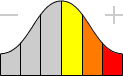
Gluten sensitivity
Counter Indicators
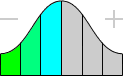
Lack of gluten sensitivity
Risk factors for Gluten Sensitivity / Celiac Disease
Diabetes in family members
Relatives of people with Type 1 Diabetes, as well as the sufferers themselves, run a 5% risk of developing celiac disease. When people affected by celiac disease eat wheat the immune system reacts by destroying the lining of the intestine. If these people avoid wheat the intestine heals; however, most people are asymptomatic and the untreated condition may bring about anemia, decreased growth and malignancy of the intestine if untreated.
Avoidance of wheat products
Gluten Sensitivity / Celiac Disease suggests the following may be present
Anemia, Megaloblastic
Mild malabsorption may result in a vitamin B12 deficiency.
Zinc Requirement
Mild malabsorption may result in a zinc deficiency.
Folic Acid Requirement
Mild malabsorption may result in a folic acid deficiency.
Increased Risk of Lymphoma
Gluten sensitivity predisposes patients to the eventual development of lymphoma. If this relationship is re-stated as “cereal grains cause cancer” the implications are more easily understood. In addition, the incidence of undiagnosed celiac disease is higher among those with small-bowel lymphoma [Eur J Gastroenterol Hepatol 2000;12: pp.645-648]. There is evidence that strict adherence to a gluten-free diet will reduce the incidence of lymphoma.
Gluten Sensitivity / Celiac Disease can lead to
Allergy / Intolerance to Foods (Hidden)
People with celiac disease may be intolerant to additional foods – more than just those containing gluten. Foods that have been reported to trigger symptoms include cows’milk and soy. [Lancet 1963;2: pp.1132-5] [J Clin Pathol 1982;35: pp.319-22]
Schizophrenia
Studies have shown celiac disease to be inordinately high in schizophrenic populations. Research removing gluten and dairy products (which often seems to add to the problem) from the diet of a locked ward resulted in a significant improvement of patient behavior. See also the Philpott study mentioned under Hidden Food Allergy.
Symptoms include mood swings (down after eating and up after avoidance), severe depression, anxiety, irritability, compulsive behavior, schizophrenia symptoms, and other mental disorders.
Schizophrenics maintained on a cereal grain-free and milk-free diet and receiving optimal treatment with neuropleptics showed an interruption or reversal of their therapeutic progress during a period of “blind” wheat gluten challenge. The exacerbation of the disease process was not due to variations in neuroleptic doses. After termination of the gluten challenge, the course of improvement was reinstated. The observed effects seemed to be due to a primary schizophrenia-promoting effect of wheat gluten. [Science 1976 Jan 30;191(4225): pp.401-2]
Vitamin B6 Requirement
In one trial, 11 people with celiac disease suffered from persistent depression despite being on a gluten-free diet for more than two years. However, after supplementation with vitamin B6 (80mg per day) for six months, the depression disappeared. [Scand J Gastroenterol 1983;18: pp.299-304]
Cancer / Risk - General Measures
In one trial, 210 people with celiac disease were observed for 11 years. Those who followed a gluten-free diet had an incidence of cancer similar to that in the general population. However, those eating only a gluten-reduced diet or consuming a normal diet had an increased risk of developing cancer (mainly lymphomas and cancers of the mouth, pharynx, and esophagus). [Gut 1989;30: pp.333-8]
Recommendations for Gluten Sensitivity / Celiac Disease

Glutamine
Glutamine is the preferred fuel of small intestine cells. Supplemental glutamine may promote a faster recovery time once a gluten-free diet is begun.
Gluten-free Diet
The only treatment for celiac disease is to follow a gluten-free diet. For most people, following this diet will stop symptoms, heal existing intestinal damage, and prevent further damage. Improvements begin within days of starting the diet, and the small intestine is usually completely healed in 3 to 6 months. Healing may take up to 2 years for older adults.
Coconut flour is not like most other flours. It lacks the “glue” most flours have called gluten. A standard American recipe can have up to 25% of the flour made with coconut flour. However, if you would like to make something very high in fiber with an incredibly low glycemic index you will want to use 100% coconut flour. To do this we recommend you purchase the book “Cooking With Coconut Flour” by Dr. Bruce Fife. The entire book contains delicious recipes that use solely coconut fiber for the flour. These recipes use eggs for the binder or “glue” and they are very low in sugar or sweeteners. These recipes are great for diabetics, people with gluten allergies, and people with Candida and “leaky gut” issues. Coconut fiber/flour is an excellent product to use to promote healthy intestinal tract.

Dairy Products Avoidance
Please see the link between Celiac Disease and Food Allergies.
Plant Sterols / Sterolins (Phytosterols)
Sterol and sterolins, by balancing the immune system, decrease specific immune factors that cause the inflammation and damage to the intestinal wall.

Elimination Diet
If gluten sensitivity blood testing or endoscopic exam is not possible, simple avoiding gluten-containing foods strictly for several months can help one determine if this is a likely issue. Please see the link between Gluten Sensitivity and a Gluten-free Diet.
Tests, General Diagnostic
If you suspect that you or anyone in your family might have celiac disease, or a gluten-sensitivity, you can ask your doctor to perform a tTG (tissue transgluminase test). Remember, if you have already eliminated wheat or gluten products from your diet, the test results will be negative, even if you have the sensitivity. However, if you have been consuming wheat
products and have the sensitivity, this test will do a better job of picking it up than previous tests.
Testing for fecal antigliadin IgA antibody is another test that some labs provide to help determine if there is a problem with gluten / gliadin consumption.
Zinc
Tissue damaged by Celiac disease has demonstrated an enhanced recovery rate with adequate zinc intake.
Reading List
The Book of Gluten
The Book of Gluten by Stephen Gislason, MD describes how eating cereal grains can cause a spectrum of illness from ambiguous, relatively mild digestive symptoms to more destructive and even life-threatening disease.
Who Should Read This Book?
*Everyone who has experienced symptoms after eating any food containing wheat, rye, oats, and/or barley should read this book.
*Everyone with undiagnosed illness that involves digestive symptoms, aching, fatigue or anemia should read this book.
*Everyone with celiac disease should read this book.
*The relatives and friends of celiacs should read this book.
*Everyone who treats people with celiac disease should read this book.
*Everyone with autoimmune disease should read this book.
*Everyone with depression and other symptoms of brain dysfunction should read this book.
Vitamin A
In one study, six people with diet-treated celiac disease had abnormal dark-adaptation tests (indicative of “night blindness”), even though some were taking a multivitamin that contained vitamin A. Some of these people showed an improvement in dark adaptation after receiving larger amounts of vitamin A (10,000–25,000 IU per day), either orally or by injection. [Lancet 1973;2: pp.1161-4]
Multiple Vitamin Supplement
The malabsorption that occurs in celiac disease can lead to multiple nutritional deficiencies, some of which may be severe enough to cause illnesses such as anemia or bone disease. The most common nutritional deficiencies in people with celiac disease include essential fatty acids, iron, vitamin D, vitamin K, calcium, magnesium, and folic acid. It is possible that subtle deficiencies of other nutrients may exist in people with celiac disease who are in remission on a gluten-free diet. Individuals who are not strictly avoiding gluten are likely to have more severe deficiencies.
Key
| Weak or unproven link |
| Strong or generally accepted link |
| Proven definite or direct link |
| Weakly counter-indicative |
| Very strongly or absolutely counter-indicative |
| May do some good |
| Likely to help |
| Highly recommended |
Glossary
Celiac Disease
(Gluten sensitivity) A digestive disease that damages the small intestine and interferes with absorption of nutrients from food. People who have celiac disease cannot tolerate a protein called gluten. Common symptoms include diarrhea, increased appetite, bloating, weight loss, irritability and fatigue. Gluten is found in wheat (including spelt, triticale, and kamut), rye, barley and sometimes oats.
Protein
Compounds composed of hydrogen, oxygen, and nitrogen present in the body and in foods that form complex combinations of amino acids. Protein is essential for life and is used for growth and repair. Foods that supply the body with protein include animal products, grains, legumes, and vegetables. Proteins from animal sources contain the essential amino acids. Proteins are changed to amino acids in the body.
Immune System
A complex that protects the body from disease organisms and other foreign bodies. The system includes the humoral immune response and the cell-mediated response. The immune system also protects the body from invasion by making local barriers and inflammation.
Villi
Small processes protruding from absorptive or secretory surfaces.
Allergy
Hypersensitivity caused by exposure to a particular antigen (allergen), resulting in an increased reactivity to that antigen on subsequent exposure, sometimes with harmful immunologic consequences.
Autoimmune Disease
One of a large group of diseases in which the immune system turns against the body's own cells, tissues and organs, leading to chronic and often deadly conditions. Examples include multiple sclerosis, rheumatoid arthritis, systemic lupus, Bright's disease and diabetes.
Gastrointestinal
Pertaining to the stomach, small and large intestines, colon, rectum, liver, pancreas, and gallbladder.
Irritable Bowel Syndrome
(IBS) A condition that causes upset intestines for a long period of time. It is very unpleasant to the sufferer but tends to be harmless and usually does not lead to more serious complaints. The symptoms vary from person to person and from day to day. In order to be diagnosed with IBS, a person must have at least three of the following symptoms: pain in the lower abdomen; bloating; constipation; diarrhea or alternating diarrhea and constipation; nausea; loss of appetite; tummy rumbling; flatulence; mucous in stools; indigestion; constant tiredness; frequent urination; low back pain; painful intercourse for women.
Iron
An essential mineral. Prevents anemia: as a constituent of hemoglobin, transports oxygen throughout the body. Virtually all of the oxygen used by cells in the life process are brought to the cells by the hemoglobin of red blood cells. Iron is a small but most vital, component of the hemoglobin in 20,000 billion red blood cells, of which 115 million are formed every minute. Heme iron (from meat) is absorbed 10 times more readily than the ferrous or ferric form.
Anemia
A condition resulting from an unusually low number of red blood cells or too little hemoglobin in the red blood cells. The most common type is iron-deficiency anemia in which the red blood cells are reduced in size and number, and hemoglobin levels are low. Clinical symptoms include shortness of breath, lethargy and heart palpitations.
Diarrhea
Excessive discharge of contents of bowel.
Antibody
A type of serum protein (globulin) synthesized by white blood cells of the lymphoid type in response to an antigenic (foreign substance) stimulus. Antibodies are complex substances formed to neutralize or destroy these antigens in the blood. Antibody activity normally fights infection but can be damaging in allergies and a group of diseases that are called autoimmune diseases.
Asymptomatic
Not showing symptoms.
Cancer
Refers to the various types of malignant neoplasms that contain cells growing out of control and invading adjacent tissues, which may metastasize to distant tissues.
Biopsy
Excision of tissue from a living being for diagnosis.
Psoriasis
An inherited skin disorder in which there are red patches with thick, dry silvery scales. It is caused by the body making too-many skin cells. Sores may be anywhere on the body but are more common on the arms, scalp, ears, and the pubic area. A swelling of small joints may go along with the skin disease.
Multiple Sclerosis
Demyelinating disorder of the central nervous system, causing patches of sclerosis (plaques) in the brain and spinal cord, manifested by loss of normal neurological functions, e.g., muscle weakness, loss of vision, and mood alterations.
Jaundice
Yellow discoloration of the skin, whites of the eyes and excreta as a result of an excess of the pigment bilirubin in the bloodstream.
Eczema
Swelling of the outer skin of unknown cause. In the early stage it may be itchy, red, have small blisters, and be swollen, and weeping. Later it becomes crusted, scaly, and thickened.
Addison's Disease
Characterized by the chronic destruction of the adrenal cortex, which leads to an increased loss of sodium and water in the urine, muscle weakness and low blood pressure. The bronze color of the skin is due to the increased production of the skin pigment, melanin.
Rheumatoid Arthritis
A long-term, destructive connective tissue disease that results from the body rejecting its own tissue cells (autoimmune reaction).
Ulcerative Colitis
(Colitis ulcerosa): Ulceration of the colon and rectum, usually long-term and characterized by rectal bleeding or blood in the stool, frequent urgent diarrhea/bowel movements each day, abdominal pain.
Osteoporosis
A disease in which bone tissue becomes porous and brittle. The disease primarily affects postmenopausal women.
Constipation
Difficult, incomplete, or infrequent evacuation of dry, hardened feces from the bowels.
Colon
The part of the large intestine that extends to the rectum. The colon takes the contents of the small intestine, moving them to the rectum by contracting.
Diverticular Disease
Some people develop small pouches (diverticula) that bulge outward through weak spots in the colon. Diverticulosis is the condition of having these pouches; diverticulitis is an inflammation or infection in these pouches. The conditions diverticulosis and diverticulitis are both referred to as diverticular disease. Diverticulosis may not cause any symptoms but could include mild cramps, bloating and constipation - all of which are common to other conditions such as IBS or ulcers. The most common symptoms of diverticulitis are abdominal pain and tenderness around the left side of the lower abdomen. When infection is the cause, fever, nausea, vomiting, chills, cramping and constipation may also occur.
Bursitis
The bursa is a fluid-filled pad that allows your muscles to easily slide over other muscles and bones. Bursitis occurs when this pad becomes inflamed. It usually occurs when you overuse or injure a specific joint, but it can also be caused by a bacterial infection. Symptoms include pain and inflammation around joints such as the elbow, hip, shoulder, big toe, ankle or knee.
Epilepsy
Chronic brain disorder associated with some seizures and, typically, alteration of consciousness.
Enzymes
Specific protein catalysts produced by the cells that are crucial in chemical reactions and in building up or synthesizing most compounds in the body. Each enzyme performs a specific function without itself being consumed. For example, the digestive enzyme amylase acts on carbohydrates in foods to break them down.
Colitis
Inflammation of the colon.
Thyroid
Thyroid Gland: An organ with many veins. It is at the front of the neck. It is essential to normal body growth in infancy and childhood. It releases thyroid hormones - iodine-containing compounds that increase the rate of metabolism, affect body temperature, regulate protein, fat, and carbohydrate catabolism in all cells. They keep up growth hormone release, skeletal maturation, and heart rate, force, and output. They promote central nervous system growth, stimulate the making of many enzymes, and are necessary for muscle tone and vigor.
Diabetes Mellitus
A disease with increased blood glucose levels due to lack or ineffectiveness of insulin. Diabetes is found in two forms; insulin-dependent diabetes (juvenile-onset) and non-insulin-dependent (adult-onset). Symptoms include increased thirst; increased urination; weight loss in spite of increased appetite; fatigue; nausea; vomiting; frequent infections including bladder, vaginal, and skin; blurred vision; impotence in men; bad breath; cessation of menses; diminished skin fullness. Other symptoms include bleeding gums; ear noise/buzzing; diarrhea; depression; confusion.
Electrocardiogram
A test that shows a tracing of the electrical conduction of the heart.
Canker Sores
Also known as Aphthous Ulcers, these are small, painful ulcers that occur on the inside of the cheek, lip or underside of the tongue. Caused by an assortment of viruses, doctors call this condition aphthous stomatitis. Canker sores usually clear up by themselves within a week or so, but they often recur, sometimes in the form of multiple sores.
Anxiety
Apprehension of danger, or dread, accompanied by nervous restlessness, tension, increased heart rate, and shortness of breath unrelated to a clearly identifiable stimulus.
Schizophrenia
Any of a group of psychotic disorders usually characterized by withdrawal from reality, illogical patterns of thinking, delusions, and hallucinations, and accompanied in varying degrees by other emotional, behavioral, or intellectual disturbances. Schizophrenia is associated with dopamine imbalances in the brain and defects of the frontal lobe and is caused by genetic, other biological, and psychosocial factors.
Neuroleptic
A therapeutic agent which produces a state of altered awareness and tranquilization.
Seizure
While there are over 40 types of seizure, most are classed as either partial seizures which occur when the excessive electrical activity in the brain is limited to one area or generalized seizures which occur when the excessive electrical activity in the brain encompasses the entire organ. Although there is a wide range of signs, they mainly include such things as falling to the ground; muscle stiffening; jerking and twitching; loss of consciousness; an empty stare; rapid chewing/blinking/breathing. Usually lasting from between a couple of seconds and several minutes, recovery may be immediate or take up to several days.
Chronic
Usually Chronic illness: Illness extending over a long period of time.
Cobalamin
Vitamin B-12. Essential for normal growth and functioning of all body cells, especially those of bone marrow (red blood cell formation), gastrointestinal tract and nervous system, it prevents pernicious anemia and plays a crucial part in the reproduction of every cell of the body i.e. synthesis of genetic material (DNA).
Zinc
An essential trace mineral. The functions of zinc are enzymatic. There are over 70 metalloenzymes known to require zinc for their functions. The main biochemicals in which zinc has been found to be necessary include: enzymes and enzymatic function, protein synthesis and carbohydrate metabolism. Zinc is a constituent of insulin and male reproductive fluid. Zinc is necessary for the proper metabolism of alcohol, to get rid of the lactic acid that builds up in working muscles and to transfer it to the lungs. Zinc is involved in the health of the immune system, assists vitamin A utilization and is involved in the formation of bone and teeth.
Folic Acid
A B-complex vitamin that functions along with vitamin B-12 and vitamin C in the utilization of proteins. It has an essential role in the formation of heme (the iron containing protein in hemoglobin necessary for the formation of red blood cells) and DNA. Folic acid is essential during pregnancy to prevent neural tubular defects in the developing fetus.
Lymphoma
Any tumor of the lymphatic tissues.
Vitamin B6
Influences many body functions including regulating blood glucose levels, manufacturing hemoglobin and aiding the utilization of protein, carbohydrates and fats. It also aids in the function of the nervous system.
Milligram
(mg): 1/1,000 of a gram by weight.
Esophagus
Commonly called the "food pipe", it is a narrow muscular tube, about nine and a half inches long, that begins below the tongue and ends at the stomach. It consists of an outer layer of fibrous tissue, a middle layer containing smoother muscle, and an inner membrane, which contains numerous tiny glands. It has muscular sphincters at both its upper and lower ends. The upper sphincter relaxes to allow passage of swallowed food that is then propelled down the esophagus into the stomach by the wave-like peristaltic contractions of the esophageal muscles. There is no protective mucosal layer, so problems can arise when digestive acids reflux into the esophagus from the stomach.