Although one-third of the average person’s life is spent sleeping, many of the physical and chemical bases of sleep remain a mystery. Sleep-wake patterns are governed by circadian rhythms, which usually run on 25-hour cycles with two natural daily peak times for sleeping, at night and at mid-day, the traditional siesta time.
There are three main types of insomnia based on the time of difficulty:
1) sleep onset insomnia
2) maintenance insomnia
3) early a.m. insomnia (often a symptom of underlying depression).
There is also mixed insomnia, conditioned insomnia (chronic disturbance such as a baby in the house), and dream-interruption insomnia (caused by deep anxiety). Compulsive urination insomnia is often seen in patients suffering from fibromyalgia (FMS) due to hypersensitive nerve endings that cause wakening due to bladder pressure.
Chronic primary insomnia is diagnosed when, for at least a month, a person has difficulty in falling asleep, maintaining sleep, or has non-restorative (ineffective) sleep, and, in addition, the patient is distressed and believes that normal functioning is impaired because of sleep loss. Primary insomnia is not due to any other sleep disorders such as restless legs syndrome, medical conditions, drugs, or mental disorders.Transient insomnia lasts for a few days and short-term insomnia for no more than three weeks; if sleep is disturbed for a longer period of time, a person is considered to have chronic insomnia. It can take 4-6 weeks of getting enough sleep to fully recover from prolonged sleep deprivation.
A large percentage of chronic insomnia cases have a serious psychological cause. The disorders that most often cause insomnia are chronic anxiety, depression, and bipolar (manic) depression. At least 70% of people with depression complain of insomnia.
Onset and maintenance insomnia are often associated with anxiety, and maintenance insomnia and early morning awakening are often associated with depression.
Many common medical problems (and some of the drugs that treat them) can cause insomnia, including allergies, arthritis, heart disease, hypertension, asthma, arthritic conditions, Alzheimer’s disease, Parkinson’s disease, hyperthyroidism, and attention deficit hyperactivity disorder (ADHD). Some women experience insomnia around menopause and find that hormone evaluation and balancing helps.
There are many natural treatments for insomnia that should be considered before resorting to medications. Tryptophan, melatonin, 5-HTP, Valerian, and St. John’s Wort may help with sleep. In difficult cases, use of these in combination have been successful.
Valerian is sometimes used as a treatment for anxiety. However, it is more commonly recommended as an aid for occasional insomnia. Kava is probably better for anxiety but is sometimes recommended at higher doses to treat insomnia as well.
Make sure that something you are currently taking is not causing the problem. Substances such as panax ginseng, hydrocortisone taken late in the day, caffeine, and too much alcohol, cocaine or sedatives can cause insomnia.
Other suggestions
- A 1995 study showed that poor sleepers do not clear caffeine from their systems as rapidly as normal sleepers. Even one cup of coffee at breakfast only was enough to keep them awake at night. A two week trial of no caffeine may be beneficial.
- Sleep in complete darkness. A recent study indicated that even dim artificial light may disrupt sleep and melatonin production.
- Don’t nap. Sleep disturbances may encourage napping during the day, which can make it harder to fall asleep at a normal hour. Avoiding naps can promote sleep at an earlier hour.
- Try taking your watch off and any clocks out of the room. This simple technique has worked for a surprising number of people.
- Reading for 45-60 minutes.
- Aerobic exercise 3-5 times per week.
- Many with FMS need a water bed, sometimes even with an egg-crate pad. Some need a hard bed. Find out what works for you. Go to a store and try some.
- If hypoglycemia is a problem, some are helped by a snack before going to bed.
- Go to bed only when you are sleepy but get up at the same time each morning.
- If medication is necessary, find out which works for you. Don’t give up – good sleep is worth the search.
- Vitamin B12 can help with fatigue, insomnia, depression, and the anxiety of getting older, especially if low stomach acid is suspected. Shots may be required for large doses.
- Mild acting agents like homeopathic preparations, chamomile tea, a long relaxing bath, or a touch of sea salt on the tongue with a glass of water can be tried.
Signs, symptoms & indicators of Insomnia
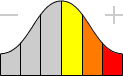
Unsound sleep
(Frequent) difficulty falling asleep
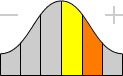
Being a light sleeper
Risk factors for Insomnia
Alcohol-related Problems
Depletion of tryptophan as a result of heavy drinking explains why alcoholics suffer from insomnia.
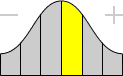
Current Smoker
See the link between Current Smoker and Hypersomnolence.
Aerobic Exercise Need
People often sleep more easily and soundly once an exercise program is started.
Researchers at Northwestern University Feinberg School of Medicine studied 17 sedentary adults, all of whom suffered from chronic insomnia, to asses the effect of regular moderate aerobic exercise on sleep. Participants assigned to the aerobic physical activity group exercised for two 20-minute sessions four times per week or one 30-to-40-minute session four times per week, both for 16 weeks.
Those in the non-physical activity group participated in non-physical recreational or educational activities for approximately 45 minutes three to five times per week for 16 weeks. Both groups received education about good sleep hygiene. Results showed that exercise improved participants’ self-reported sleep quality, so much so that their scores on the Pittsburgh Sleep Quality Index dropped by an average of 4.8 points – enough to be elevated from a diagnosis of “poor sleeper” to one of “good sleeper”.
Those in the physical activity group also reported fewer depressive symptoms, more vitality and less daytime sleepiness. “This is relevant to a huge portion of the population,” said Phyllis Zee, M.D., director of the Sleep Disorders Center at Northwestern Medicine and senior author of the paper. “It is essential that we identify behavioral ways to improve sleep. Now we have promising results showing aerobic exercise is a simple strategy to help people sleep better and feel more vigorous.
Low Serotonin Level
Serotonin is the precursor to melatonin. As such, low levels may be associated with low levels of melatonin and thus produce insomnia.
Histadelia (Histamine High)
The overarousal seen in histadelia may contribute to insomnia.
Elevated pm serum cortisol
High night-time cortisol levels have been associated with insomnia.
Depression
Sleep disturbances are an integral part of a depressive disorder. Insomnia is a frequent complaint, and it is reported by more than 90% of depressed patients.
Tinnitus
In a double-blind study of people who had difficulty sleeping because of tinnitus, supplementation with 3mg of melatonin per night for one month resulted in improved sleep.
Restless Leg Syndrome (RLS) / Periodic Limb Movement Disorder (PLMD)
These limb movements usually occur in deep stage two sleep, but often cause arousal. Thus, PLMD can cause poor sleep, which may lead to sleep maintenance insomnia and/or excessive daytime sleepiness.
Insomnia suggests the following may be present
Alcohol-related Problems
Depletion of tryptophan as a result of heavy drinking explains why alcoholics suffer from insomnia.
Tinnitus
In a double-blind study of people who had difficulty sleeping because of tinnitus, supplementation with 3mg of melatonin per night for one month resulted in improved sleep.
Recommendations for Insomnia

Tryptophan / 5 HTP
Due to the fact that the synthesis of serotonin and melatonin within the brain is dependent on the availability of the amino acid tryptophan, supplementing the diet with tryptophan before going to bed may produce good results in relieving insomnia. Tryptophan tends to work better for acute insomnia (sleep-onset insomnia) than for chronic sleep problems since its greatest effect is to shorten the time it takes to fall asleep after going to bed.
Some 1000 to 2000mg of L-tryptophan are needed in order to increase blood levels sufficiently to induce sleep. However, the lowest dose (often as little as 500mg) that works as a sleep aid should be maintained to continue benefits. The dose may be repeated if one wakes during the night. Doctors often recommend starting with 1gm of L-tryptophan 30-45 minutes before bed, which will reduce the time it takes to fall asleep. If 1000mg is insufficient, the dose may be increased by 500mg each night until either the desired effects are achieved or a total of 3000mg is reached.
Results treating insomnia with tryptophan have been mixed. A 1986 study suggested that L-tryptophan is an effective hypnotic agent only for people with a sleep maintenance problem that is characterized by 3-6 discrete awakenings during the night. [Sleep 1983;6: pp.247-256]
SAN DIEGO, Calif. April 28, 2014 – A morning and evening ritual of tart cherry juice may help you sleep better at night, suggests a new study presented today at the Experimental Biology 2014 meeting. Researchers from Louisiana State University found that drinking Montmorency tart cherry juice twice a day for two weeks helped increase sleep time by 84 minutes among older adults with insomnia. [ April 28, 2014 at the “Dietary Bioactive Components: Antioxidant and Anti-inflammatory Effects of Dietary Bioactive Components” section of the annual meeting of the American Society of Nutrition, which is being held in conjunction with the Experimental Biology 2014 meeting in San Diego. The findings have been submitted for publication in a peer-reviewed journal.]

Valerian Root (Valeriana officinalis)
Historically, the herb valerian was commonly used for the treatment of insomnia. Although we have some studies that appear to indicate that it is effective, more research is needed to tell us how to use valerian appropriately.
Valerian is once again becoming popular in the United States. Its reputation is as a gentle sleep aid without side effects. As one user commented, “Valerian is one of the most gentle and harmless herbal sleeping remedies I’ve found. It seems to enhance my body’s natural process of slipping into sleep and makes the stresses of my day recede. I awaken relaxed and refreshed with no morning hangover.”
A 28-day study of 121 people with a history of sleep disturbances compared the effect of 600mg of a valerian extract taken 1 hour before bedtime against placebo. The study concluded that valerian is useful for the long-term treatment of insomnia. Subjects were evaluated by a physician and by self-report at the beginning of the study and at days 14 and 28. At 14 days, only a few significant differences were found between the two groups’ outcomes, but by the end of the fourth week, the group taking valerian showed comparative improvements in quality of sleep, mood, and overall evaluation of results. However, it should be pointed out that the results, although mathematically significant, were not dramatic. Valerian is a very mild treatment.
A placebo-controlled study of 19 patients who complained of poor sleep, marked by reports of frequent waking, despite chronic benzodiazepine use, was conducted. Subjects were off benzodiazepine for 2 weeks prior to beginning Valerian or placebo.The fifteen days of treatment with Valerian improved subjective sleep quality, without affecting sleep onset.This study was of relatively short duration, 15 days. [Prog Neuropsychopharmacol Biol Psychiatry 2002;26(3): pp.539-545]
Kava
Kava Root Extract has been used by the inhabitants of the Pacific Islands for centuries as an relaxing botanical that also promotes delta-rhythm sleep. Because it potentiates the effectiveness of melatonin, it is the ideal complement in a melatonin complex formula. Kava (piper methysticum) has been proven to be especially effective in treating refractory sleep disorders, including those involving headaches, menstrual cramps, and gastrointestinal disorders.
Kava improves sleep by relaxing the body, reducing mental worry and anxiety, and reducing pain. Although no scientific evidence exists that kava can help insomnia, anecdotal stories tell us that traditional healers have prescribed it for insomnia for centuries. Kava-based products are prescribed as medicines for relaxation in France, Germany, Switzerland, and other European countries.
Although we don’t have a definitive study on the effectiveness of kava as a treatment for insomnia, we can look into some studies of kava as an indication that it might be helpful in sleep. A small double-blind placebo-controlled study suggested that synthetic kavain (a kavalactone found in kava) enhances brain activity that favors restorative sleep. At weekly intervals, subjects randomly received placebo; 200, 400, or 600mg of kavain; or 30mg of the benzodiazepine Clobazam. Pulse, blood pressure, EEG, psychometric tests, and side effects were noted at the outset and then at 1, 2, 4, 6, and 8 hours after receiving the medication.
EEG activity showed that kavain increased the alpha-1, theta, and delta brain waves that are associated with sleep while decreasing beta waves, which are a sign of wakefulness. Furthermore, these effects increased with higher dosages. At 600mg, kavain produced sedation comparable to 30mg of Clobazam.
Unfortunately, this rather theoretical study looked at brain waves rather than true effects on sleep. Also, it used isolated kavain rather than the whole-kava extract as you might purchase it. Much better research needs to be performed before it can be said that scientific evidence exists for using kava in sleep disorders.

Caffeine/Coffee Avoidance
People suffering from insomnia often have elevated caffeine levels compared to normal sleepers. They may have as much as 40% of the caffeine they consumed in the morning still in their system at bedtime. [Psychopharmacology 1995; 121: pp.494-502]
Low Fat Diet
Mice that ate a high-fat diet gained weight and experienced a disruption in their circadian clocks, which regulate metabolic functions such as when they go to sleep, wake up and become hungry.
The disruption threw off the timing of the animals’ internal signals, including appetite control. As a result, the mice ate extra calories during the time when they would have otherwise been asleep or resting. For humans, this would be the equivalent of raiding the refrigerator in the middle of the night.
The high-fat diet and resulting weight gain also triggered diminished expression of genes that encode the clock in the brain and in peripheral tissues.
The findings suggest that changes in metabolic state that occur with obesity and diabetes affect not only circadian rhythms of behavior but also physiology.
Past studies have found that a misaligned body clock can throw off your metabolism, and increase your risk of obesity and diabetes.
This represents a “vicious loop,” according to researchers, because once weight is gained, your internal clock is disrupted, and a disrupted clock makes the original problem worse.
“Timing and metabolism evolved together and are almost a conjoined system,” said one of the study’s authors Joe Bass, M.D., assistant professor of medicine and neurobiology and physiology at Northwestern and head of the division of endocrinology and metabolism at ENH. “If we perturb the delicate balance between the two, we see deleterious effects.” [Cell Metabolism Nov. 2007, Vol 6, pp.414-421, 07]
Alcohol Avoidance
People who abuse alcohol and other substances are at high risk for sleep disturbances due to the direct effect of the substance or its withdrawal on their sleep architecture and their sleep-wake cycle or its effect on their behavior and daily functioning, which in turn impacts their daily need for sleep.
Little is known about how the different substances of abuse affect sleep in humans, although there are more data on alcohol’s effect. When consumed at bedtime, alcohol has an initial stimulating effect among nonalcoholics, followed by a decrease in time to fall asleep (NIAAA, 1998). Many people with insomnia consume alcohol to induce sleep, either by experience or by others’ suggestion that it is a sedating agent. Alcohol consumed six hours before bedtime was found to disrupt the second half of the sleep period (Landolt et al., 1996). One review suggested that with continued consumption until bedtime, alcohol’s disruptive effects continued or increased and its sleep-inducing effect may decrease (Vitiello, 1997).
In actively drinking alcoholics, specific sleep disturbances are reported, such as increased time required to fall asleep, frequent awakenings and a decrease in subjective sleep quality associated with daytime fatigue (Aldrich, 1998). Further, these individuals undergo a vicious cycle when they attempt to stop drinking since an abrupt reduction or end to drinking usually triggers alcohol-withdrawal syndrome accompanied by pronounced insomnia and sleep fragmentation. Decreased SWS during withdrawal may reduce the amount of restful sleep. Beyond withdrawal, sleep patterns may never return to normal in people with alcoholism (Aldrich, 1998). After years of abstinence, alcoholics tend to sleep poorly, with decreased amounts of SWS and increased nighttime wakefulness contributing to daytime fatigue. When heavy drinking recurs, it leads to increased SWS (restful sleep) and decreased wakefulness. This apparent improvement in sleep continuity may promote continued drinking by associating the return to drinking with improved sleep (NIAAA, 1998). Unfortunately, as drinking continues, sleep patterns get disrupted, closing the cycle (Aldrich, 1998).
Clinical Consequences of Insomnia on Abstinence
When compared to patients without insomnia, patients with insomnia were more likely to report frequent alcohol use for sleep (55% versus 28%), had significantly worse polysomnographic measures of sleep continuity, and had more severe alcohol dependence and depression (Brower et al., 2001). In 1994, Gillin et al. measured REM sleep during the admission of patients to a one-month alcoholism treatment program. Higher levels of REM predicted relapse within three months after hospital discharge in 80% of patients. In other studies, those who eventually relapsed exhibited a higher proportion of REM and a lower proportion of SWS at baseline, compared with those who remained abstinent. It is believed that sleep problems in alcoholics increase rates of relapse as evidenced by subjective and polysomnographic sleep predictors (Brower et al., 1998). [Psychiatric Times, February 2004, Vol. XXI, Issue 2]
Increased Water Consumption
Drinking a glass of water before bed and then placing a pinch of salt upon the tongue may help bring on sleep, according to Dr. Batmanghelidj, MD. Try not to get the salt on your palate, as it may cause irritation.
GHB (Gamma-Hydroxybutyrate)
GHB has been called “almost an ideal sleep inducing substance” (Smart Drugs II, p. 245). Small doses produce relaxation, tranquility and drowsiness which make it extremely easy to fall asleep naturally. Higher doses increase the drowsiness effect and decrease the time it takes to fall asleep. A sufficiently large dose of GHB will induce sudden sleep within five to ten minutes (Laborit, 1964). Many other hypnotics interfere with various stages of the sleep cycle thus preventing the body from achieving a complete and balanced session of rest and recuperation. The most remarkable facet of GHB-induced sleep is its physiological resemblance to normal sleep. For instance, GHB sleep is characterized by increased levels of carbon dioxide in the arteries, as in normal sleep (Vickers, 1969). During normal and GHB sleep, the CNS continues to be responsive to “noxious stimuli” (pain and other irritations), a factor which sets limits on GHB’s uses in anesthesia (Vickers, 1969). GHB facilitates both REM (rapid eye movement) sleep, and “slow wave” (non-REM) sleep, the stage of sleep featuring increased release of growth hormone (Laborit, 1972). And unlike the unconsciousness induced by other anesthetics, that triggered by GHB does not feature a systemic decrease in oxygen consumption (Laborit, 1964).
The primary disadvantage to GHB’s use as a sleep aid is it’s short term influence – about three hours. During GHB’s influence, sleep is deeper and more restful, but after the GHB has worn off, people have a tendency to wake up. The higher the dose, the greater is this tendency. Some have called this pattern the “dawn effect” and have speculated that it is related to the release of stored dopamine. Some people minimize this effect by taking minimal doses of GHB. Others take advantage of this effect by getting a couple of hours of work done in the middle of the night. Still others choose to take a second dose of GHB to sleep for another three hours.
It should be noted that not everyone can be put to sleep by GHB. We have spoken to three men who have never achieved sleep even with the doses normally used for such purposes. In addition, Takahara (1977) reported that one of the six men in the growth hormone study cited above remained conscious even though he had received of GHB intravenously, a dosage which rendered the rest of the participants unconscious.
Conventional Drugs / Information
Use of benzodiazepine medications for sleep disorders has become more and more common, and is implicated in a long list of side effects and difficult withdrawal symptoms. Benzodiazepines are often found under the following names, Xanax (Alprazolam), Valium (Diazepam), Ativan, Alzapam (Lorazepam), Halcion (Triazolam), Klonopin (Clonazepam), and Restoril, among others. Patients often find it very difficult to withdraw from these medications, and at the same time long-term medication with these drugs is often discouraged due to the addictive nature of the drugs and the accompanying side effects.
HOWEVER, restorative sleep is so important, if natural methods do not provide the deep sleep needed, a prescription drug may be worth trying.
Americans spent $2.1 billion on prescription sleeping pills in 2004, and bought 600 million over-the-counter ones. But many of these medicines, including antihistamines and antidepressants, haven’t been proven safe and effective for the problem. And almost none of them have been approved for long-term use by the Food and Drug Administration (FDA), yet they are often taken for months or years. [USA Today July 27, 2005]
Since 1998, my colleagues and I found gabapentin (Neurontin) to fit the above description of the ideal pharmacotherapy for insomnia among alcoholics and substance users (Karam-Hage and Brower, 2000). To date, we have yet to observe any abuse or subjective effects reported by patients. In 2000, we reported an open-label study of 15 successfully treated cases. Gabapentin was started at 300 mg hs, the dose was increased to response by 300 mg/day to reach a maximum of 1800 hs (average dose=900 mg) with follow-up at one month. [Psychiatric Times, February 2004, Vol. XXI, Issue 2]
Change In Clothing Habits
It seems that granny was right – a hot water bottle or a pair of bed socks are the best way to drift quickly off to sleep. According to Swiss researchers, you are more likely to fall asleep swiftly if your hands and feet are warmer than the temperature of the bedroom.
Dr Kurt Krauchi and his team at the Sleep Laboratory at Basel monitored the body temperature and functions of a group of young, healthy men as they nodded off. In every case, they fell asleep immediately after a shift in blood flow to hands and feet. The study, published in the journal Nature (Sept. 1999), appears to indicate that as we approach the threshold of sleep the body’s temperature regulation system redistributes heat from its core to our extremities.
The researchers say that a hot water bottle at the feet may not directly act on the central nervous system to cause sleep, but it can trigger widening of the blood vessels, which in turn switches the body’s sleep mechanism on. If the extremities are cold, inhibiting the free flow of blood, the sleep hormones fail to kick in and restless insomnia prevails. The scientists speculate that some sleep disorders associated with old age and illness may be caused by poor circulation and an inability to widen blood vessels in the hands and feet.
Sunlight / Light Exposure
ScienceDaily (Nov. 14, 2007) — Scientists at John Carroll University, working in its Lighting Innovations Institute, have developed an affordable accessory that appears to reduce the symptoms of ADHD. Their discovery also has also been shown to improve sleep patterns among people who have difficulty falling asleep. The John Carroll researchers have created glasses designed to block blue light, therefore altering a person’s circadian rhythm, which leads to improvement in ADHD symptoms and sleep disorders.
How the Glasses Work
The individual puts on the glasses a couple of hours ahead of bedtime, advancing the circadian rhythm. The special glasses block the blue rays that cause a delay in the start of the flow of melatonin, the sleep hormone. Normally, melatonin flow doesn’t begin until after the individual goes into darkness.
Studies indicate that promoting the earlier release of melatonin results in a marked decline of ADHD symptoms. Major uses of the blue-blocking glasses include: providing better sleep, avoiding postpartum depression, preventing Seasonal Affective Disorder and reducing the risk of cancer.
An alternative to the glasses has also been developed in the form of night lights and light bulbs with coatings that block the blue light. Instead of wearing the glasses, an individual may simply turn off ordinary lights and, instead, turn on the ones with filters that remove the blue rays. The night light is a convenient “plug-in” device. The cost of the items ranges from approximately $5 for light bulbs and night lights to $40-$60 for glasses.
Melatonin
The body uses the hormone melatonin as part of its normal control of the sleep-wake cycle: melatonin plays an important role in the induction of sleep. The pineal gland – a tiny gland at the base of the brain – makes serotonin and then turns it into melatonin when light decreases. Strong light (such as sunlight) turns off melatonin production. Completely darkened rooms increase melatonin levels more than partially darkened rooms, and weak light doesn’t completely shut down melatonin production as does strong light.
Taking melatonin as a supplement seems to stimulate sleep when the natural cycle is disturbed. It has been used for jet lag and for those who work night shifts and want to change their hours of sleep on the weekends.
Sustained-release melatonin may provide sleep enhancement for those who have difficulty remaining asleep. Several double-blind trials show melatonin supplementation to be very effective in promoting sleep. However, it appears that the sleep-promoting effects of melatonin supplementation are most apparent if an individual’s melatonin levels are low. Melatonin supplementation does not act as a simple sedative like a sleeping pill; only if this sleep-producing hormone is deficient will supplementation be helpful. Furthermore, melatonin acts to regulate or alter sleep rhythms, so its effect may be stronger with problems getting to sleep initially than with sleep disturbances once asleep.
One double-blind study enrolled 320 people who were given 5mg of standard melatonin, 5mg of slow-release melatonin, 0.5mg of standard melatonin, or a placebo for 4 nights following plane travel. The results showed improvements only with 5mg of standard melatonin. Benefits were noted in time to fall asleep, quality of sleep, and daytime drowsiness and fatigue. Positive results were seen in several other studies but at least one study failed to find a significant sleep-inducing effect for melatonin. On balance, the evidence is strongly positive that melatonin can help sleep.
According to one review of the literature, treatment is most effective for those with significant jet lag, such as those who have crossed more than 8 time zones. However, melatonin also seems to be help induce sleep for other people, including those with no sleep problems to begin with.
One week of supplementation with melatonin (0.1mg, 0.3mg, or 3mg before bedtime) in 30 patients with insomnia over 50 years old with reduced melatonin levels, improved sleep in a double-blind, placebo-controlled, cross-over study. The 3mg per day dose induced hypothermia and caused plasma melatonin to remain elevated into the daylight hours. [ J Clin Endocrinol Metab 2001;86(10): pp.4727-4730]
One week of treatment with melatonin, either 0.1mg or 0.3mg given 30 minutes before bedtime, did improve sleep in a well controlled cross-over study in Austria of 20 patients with mental retardation and sleep deficits. [J Autism Dev Disorders 2003;33(4): pp.469-72]
Magnesium
Because of its nerve and muscle support, magnesium may also be helpful for insomnia.
Reading List
There is a Bible-based sleep program called the Wesley Sleep Program, developed by Billy Wilkins, former member of the Christian band Third Day. He found so many Scriptures that answered and supported his spiritual quest to find Godly, rather than medicinal ways to rest that he soon began to realize that peace was God’s desire for all of His children.
His sleep program, which comes in the form of a 60-minute CD, starts off with narration designed to soothingly equip the listener with Biblical principles for real rest, while combating four common sleep hindrances. The remaining musical portion leads to even deeper levels of relaxation and calm sleep.
The program also comes with a companion book, in which Wilkins speaks open and honestly about his own struggle with insomnia and anxiety medications.”
DMAE
DMAE has been shown to increase daytime motivation and physical energy in persons afflicted with insomnia. As well as reducing the amount of sleep required by about 1 hour per night, users experience sounder sleep.
Lecithin / Choline / GPC
Besides playing a critical role in memory, attention and general cognition, acetylcholine is vital to the maintenance of normal sleep. Often, those who were once sound sleepers find themselves transformed into light sleepers as they age. The inability to screen out extraneous stimuli is a direct result of acetylcholine depletion. Acetylcholine drives the ‘stimulus barrier’, a faculty of the brain that allows us to screen out distractions while concentrating on a task or problem, and to ignore intrusive sounds when sleeping. The use of GPC, an acetylcholine precursor, may raise this stimulus barrier.
Emotional Freedom Technique (EFT)
There are a number of ways EFT can be used to induce pleasant sleep. The most obvious way to counteract your inability to fall asleep is to “tap” either physically (actually) or mentally (just in your mind), while stating an appropriate affirmation while in bed.
If your mind is active while trying to get to sleep or if sleep has been interrupted, this is an important time for evaluating what you are thinking about. If you are mulling the same thought or situation endlessly over and over, you need to interrupt the cycle by introducing a new thought into this pattern. This new thought is one that you design, or a truth that you have not been applying to the situation.
Scripture verses make powerful cycle breakers. Other examples include:
Hydrotherapy
Various forms of hydrotherapy have to been used to treat insomnia. The neutral bath tends to sedate disturbed people.
Many patients report that they sleep much better during the ‘warming socks’ treatment.
Hot Applications
Using a hot water bottle at your feet can hasten the onset of sleep. See the link between Insomnia and Clothing Habits.
Physical Supports
The simple technique of routinely using ear plugs can help provide more and deeper sleep for ‘light’ sleepers. Sounds that would have disturbed their sleep are quieted so less interruptions are experienced.
Calming / Stretching Exercises
It is claimed that the practice of yoga will benefit your sleep in three ways:
Visualization / Relaxation Techniques
Some people find the sound of white noise or nature sounds, such as the ocean or forest, to be soothing and doing so helps them to fall sleep. An excellent relaxation / meditation option to listen to before bed is The Holosync Solution.
Stress Management
Behavioral therapies that lower anxiety, along with lifestyle changes leading to increased exercise and weight loss, can work well long-term for insomnia. [USA Today July 27, 2005]
Vitamin B12 (Cobalamine)
In people with sleep wake disorders, taking methylcobalamin (3 mg daily) has often led to improved sleep quality, increased day time alertness and concentration, and improved mood. Much of the benefit appears to be a result of methylcobalamin influencing melatonin secretion.
Twenty subjects (mean age 36 years) were randomly assigned to treatment for 14 days with 3 mg cyanocobalamin or methylcobalamin after 9 days. The results indicated a significant advantage for methylcobalamin. Methylcobalamin supplementation led to a significantly improved sleep quality, shorter sleep cycles, increased feelings of alertness, better concentration, and a feeling of waking up refreshed in the morning. Some of the interesting findings included the fact that methylcobalamin was significantly more effective even though blood levels of cobalamin increased more significantly in the cyanocobalamin than the methylcobalamin group.
However, methylcobalamin might be considered to have a low therapeutic potency and better suited as a booster for other treatment methods of the disorders. [ Psychiatry Clin Neurosci. 1999 Apr;53(2):211-3]
Key
| Weak or unproven link |
| Strong or generally accepted link |
| Proven definite or direct link |
| May do some good |
| Likely to help |
| Highly recommended |
Glossary
Chronic
Usually Chronic illness: Illness extending over a long period of time.
Anxiety
Apprehension of danger, or dread, accompanied by nervous restlessness, tension, increased heart rate, and shortness of breath unrelated to a clearly identifiable stimulus.
Fibromyalgia
(FMS): Originally named fibrositis, it is a mysteriously debilitating syndrome that attacks women more often than men. It is not physically damaging to the body in any way, but is characterized by the constant presence of widespread pain that often moves about the body. Fibromyalgia can be so severe that it is often incapacitating.
Restless Legs Syndrome
This condition involves "creepy-crawly" sensations, mainly in the legs but occasionally in the arms and trunk. The sensations have the following features: - Occur during periods of inactivity - Become more severe at night - Are tied to an overwhelming urge to move the limb - Are sometimes relieved by movement of the limb - Often cause difficulty staying or falling asleep, leading to fatigue.
Allergy
Hypersensitivity caused by exposure to a particular antigen (allergen), resulting in an increased reactivity to that antigen on subsequent exposure, sometimes with harmful immunologic consequences.
Arthritis
Inflammation of a joint, usually accompanied by pain, swelling, and stiffness, and resulting from infection, trauma, degenerative changes, metabolic disturbances, or other causes. It occurs in various forms, such as bacterial arthritis, osteoarthritis, or rheumatoid arthritis. Osteoarthritis, the most common form, is characterized by a gradual loss of cartilage and often an overgrowth of bone at the joints.
Hypertension
High blood pressure. Hypertension increases the risk of heart attack, stroke, and kidney failure because it adds to the workload of the heart, causing it to enlarge and, over time, to weaken; in addition, it may damage the walls of the arteries.
Asthma
A lung disorder marked by attacks of breathing difficulty, wheezing, coughing, and thick mucus coming from the lungs. The episodes may be triggered by breathing foreign substances (allergens) or pollutants, infection, vigorous exercise, or emotional stress.
Alzheimer's Disease
A progressive disease of the middle-aged and elderly, characterized by loss of function and death of nerve cells in several areas of the brain, leading to loss of mental functions such as memory and learning. Alzheimer's disease is the most common cause of dementia.
Parkinson's Disease
A chronic, slowly-progressing disease of the nervous system characterized clinically by the combination of tremor, rigidity, extreme slowness of movement, and stooped posture. It is characterized pathologically by loss of dopamine in the substantia nigra.
Hyperthyroidism
An abnormal condition of the thyroid gland resulting in excessive secretion of thyroid hormones characterized by an increased metabolism and weight loss.
Menopause
The cessation of menstruation (usually not official until 12 months have passed without periods), occurring at the average age of 52. As commonly used, the word denotes the time of a woman's life, usually between the ages of 45 and 54, when periods cease and any symptoms of low estrogen levels persist, including hot flashes, insomnia, anxiety, mood swings, loss of libido and vaginal dryness. When these early menopausal symptoms subside, a woman becomes postmenopausal.
Hormones
Chemical substances secreted by a variety of body organs that are carried by the bloodstream and usually influence cells some distance from the source of production. Hormones signal certain enzymes to perform their functions and, in this way, regulate such body functions as blood sugar levels, insulin levels, the menstrual cycle, and growth. These can be prescription, over-the-counter, synthetic or natural agents. Examples include adrenal hormones such as corticosteroids and aldosterone; glucagon, growth hormone, insulin, testosterone, estrogens, progestins, progesterone, DHEA, melatonin, and thyroid hormones such as thyroxine and calcitonin.
Tryptophan
Essential amino acid. Natural relaxant and sleep aid due to its precursor role in serotonin (a neurotransmitter) synthesis. Along with tyrosine, it is used in the treatment of addictions.
Melatonin
The only hormone secreted into the bloodstream by the pineal gland. The hormone appears to inhibit numerous endocrine functions, including the gonadotropic hormones. Research exists on the efficacy of melatonin in treating jet lag and certain sleep disorders. Dosages greater than l milligram have been associated with drowsiness, headaches, disturbances in sleep/wake cycles and is contraindicated in those who are on antidepressive medication. It also negatively influences insulin utilization.
Aerobic
Using oxygen. For example, aerobic exercises such as running, swimming, bicycling or playing tennis use up lots of oxygen and burn up lots of calories and fat.
Hypoglycemia
A condition characterized by an abnormally low blood glucose level. Severe hypoglycemia is rare and dangerous. It can be caused by medications such as insulin (diabetics are prone to hypoglycemia), severe physical exhaustion, and some illnesses.
Cobalamin
Vitamin B-12. Essential for normal growth and functioning of all body cells, especially those of bone marrow (red blood cell formation), gastrointestinal tract and nervous system, it prevents pernicious anemia and plays a crucial part in the reproduction of every cell of the body i.e. synthesis of genetic material (DNA).
Stomach
A hollow, muscular, J-shaped pouch located in the upper part of the abdomen to the left of the midline. The upper end (fundus) is large and dome-shaped; the area just below the fundus is called the body of the stomach. The fundus and the body are often referred to as the cardiac portion of the stomach. The lower (pyloric) portion curves downward and to the right and includes the antrum and the pylorus. The function of the stomach is to begin digestion by physically breaking down food received from the esophagus. The tissues of the stomach wall are composed of three types of muscle fibers: circular, longitudinal and oblique. These fibers create structural elasticity and contractibility, both of which are needed for digestion. The stomach mucosa contains cells which secrete hydrochloric acid and this in turn activates the other gastric enzymes pepsin and rennin. To protect itself from being destroyed by its own enzymes, the stomach’s mucous lining must constantly regenerate itself.
Homeopathy
A system of medicine based on the belief that the cure of disease can be effected by minute doses of substances that, if given to a healthy person in large doses, would produce the same symptoms as are present in the disease being treated. Homeopathy employs natural substances in small doses to stimulate the body's reactive process to remove toxic waste and bring the body back into balance.
Serotonin
A phenolic amine neurotransmitter (C10H12N2O) that is a powerful vasoconstrictor and is found especially in the brain, blood serum and gastric membranes of mammals. Considered essential for relaxation, sleep, and concentration.
Tinnitus
A sensation of noise (ringing or roaring) that is caused by a bodily condition and can usually only be heard by the person affected.
Milligram
(mg): 1/1,000 of a gram by weight.