The incidence of breast cancer has increased dramatically over the past two decades. The rate has gone from one out of 20 women to a current estimated one out of eight women. That is, 12% of all women in America will develop breast cancer during their lifetime, and the incidence is increasing. This makes breast cancer the most common cancer of American women today. It is the second most common cause of cancer deaths in women, behind only lung cancer in its mortality rate.
If you are at increased risk for breast cancer, actions you can take now will make a great difference in whether you actually get it or not. Natural medicine has much to offer to effectively reduce your risk. Now is the time to take action in order to prevent a potentially devastating disease from making you a statistic. Study the subject if you can, plan a course of action with your doctor, and take action. The actions you take now can reward you for years to come.
Once cancer cells overcome your immune system‘s ability to kill them, their number will increase until even with immune system enhancement or stimulation, the situation will not easily be reversible by natural means. Different breast cancer cell lines reproduce at a different rate. When the reproduction rate is slow, there can be a long period, months or years, in which cancer cells exist, but their numbers are low. Even at this time, those cells can be killed by natural means.
Detection
Breast cancer is often discovered by the woman herself on breast examination or by her physician during a medical visit. A woman can usually feel a hard, non-tender mass that is not particularly movable within her breast tissue. Other signs of breast cancer can include swelling, dimpling, or redness of the breast tissue. If the cancer has spread to the lymph nodes under the armpit or above the collarbone, they may feel enlarged and hard.
Regular screening can help you determine how aggressively to try to prevent or treat a cancer that is detected early. How high a woman’s chance of survival is depends on how early the cancer is detected. The earlier the detection and the more localized a tumor is to the breast tissue itself, the more likely a woman is to have a long term recovery from this disease (five years or more). For example, women with localized tumors are eight times more likely to survive the disease long term than a woman with an advanced case that has spread throughout her body.
Mammography is not the only screening test available, and may not be as useful as commonly thought. There is an alternative medical technique that is able to detect breast changes earlier: advanced thermography. Thermography uses natural infrared radiation from the body and, by measuring temperature variations, can spot abnormalities. Without using any ionizing radiation or mechanical pressure, the latest thermographic equipment can see breast cancer developing before mammography could image a tumor. Thermography accomplishes this because it is able to detect the beginnings of angiogenesis, when cancer cells first try to form their own blood supply – a necessary step before they can grow rapidly and metastasize.
In a Dutch review of 8 studies, it was found that only 2 of them meet adequate randomization requirements. These two studies indicated that mammography, one of the most widely used screening tests for breast cancer, is next to useless in reducing the death rate from the disease. Additionally, the risk of some types of breast cancer is increased by regular mammogram screening. Some researchers believe that the breast compression experienced during mammography may promote metastases.
The definitive diagnosis of breast cancer can only be made by doing a surgical biopsy. This allows the tissue sample removed from the breast to be looked at under the microscope and examined for cancerous cells.
A test that can detect breast cancer many months prior to any clinical manifestation is available. This safe FDA approved test, though still not commonly known, can give you the early warning that is needed to successfully prevent what is viewed by some doctors as inevitable. This preferred test is called AMAS (Anti-Malignin Antibody Screen) and is available for doctors worldwide through Oncolab. According to Dr. Bogoch, its founder, a large scale study demonstrated it is 95% accurate on the first test, and 99% when repeated in breast cancer. The test can detect cancer up to 19 months before conventional medical tests can find it. If your doctor does not know about this test, continue looking until you find someone who does – information is available on the Internet. The test involves taking a blood sample and requires special processing. It is also useful for monitoring treatments: the test should become less positive if the treatments are working.
Risk Factors for Breast Cancer
Not all women have the same risk of developing breast cancer. While any woman can develop the disease, certain factors do put some women statistically at greater risk:
- Previous history of breast cancer.
- Family history of breast cancer. This is particularly pertinent if a woman’s mother or sisters had the disease.
- Early onset of menstrual periods.
- Late menopause – Women who menstruate for more than 40 years seem to be at particular risk.
- Postmenopausal age. Most breast cancers occur after age 50.
- Childlessness or having a first child after age 30.
- Bottle feeding. Women who nurse their children appear to be at lower risk.
- Certain types of “atypical” cell patterns with benign (noncancerous) breast disease.
- High fat diet – this seems to be a risk factor for some women.
- Obesity – a high-fat and overly-rich diet causes women to be overweight, which again is a risk factor.
- Alcohol use – more than nine drinks per week significantly increases the risk.
- Being tall.
- Being wealthy.
- Exposure to radiation.
- Prolonged estrogen use / elevated estrogen levels.
- Exposure to unnatural chemicals such as herbicides and pesticides.
- Urban lifestyle.
- Women with dense tissue in more than 75% of the breast face four times the risk of developing breast cancer than do women who have little or no dense breast tissue. Thus, new-onset breast discomfort during hormone replacement therapy may indicate an increased risk for developing breast cancer.
Note: Study after study also shows that the concentration of carcinogens in human breast milk declines steadily as nursing continues. Thus the protective effect of breast-feeding on the mother appears to be a direct result of downloading a lifelong burden of carcinogens from her breasts into the tiny body of her infant. This is why a breast-fed infant receives its so-called “safe” lifetime limit of dioxin in the first six months of drinking breast milk. The presence of these carcinogens may be associated with the increasing risk of breast cancer women are facing today. The importance of avoiding such contaminants is causing many women to turn to more natural living and eating practices in order to prevent diseases such as breast cancer.
Estrogenic Effects of Sunscreen
A 2001 study by the Institute of Pharmacology and Toxicology at the University of Zurich Switzerland explored the possible estrogenic effects of sunscreens. They examined six frequently used UVA and UVB screens for estrogenicity and found five of the six increased cell proliferation in breast cancer cells. These were:
- benzophenone-3 (Bp-3)
- octyl-dimethyl-PABA (OD-PABA)
- homosalate (HMS)
- 4-methyl-benzylidene camphor (4-MBC)
- octyl-methoxycinnamate (OMC)
Butyl-methoxydibenzoylmethane (B-MDM) was the only inactive UV blocking chemical. The researchers concluded that UV screens should be tested for endocrine activity, in view of possible long-term effects in humans and wildlife.
There is more than one kind of breast cancer. Inflammatory Breast Cancer (IBC) is an advanced and accelerated form of breast cancer usually not detected by mammograms or ultrasounds. Inflammatory breast cancer requires immediate aggressive treatment with chemotherapy prior to surgery and is treated differently than more common types of breast cancer. “African Americans have a higher incidence of IBC than do Caucasians and other ethnic groups (10.1%, 6.2%, and 5.1%, respectively).” source
We have been taught and are reminded frequently by public service announcements and by the medical community that when a woman discovers a lump on her breast she should go to the doctor immediately.
Inflammatory breast cancer usually grows in nests or sheets, rather than as a confined, solid tumor and therefore can be diffuse throughout the breast with no palpable mass. The cancer cells clog the lymphatic system just below the skin. Lymph node involvement is assumed. Increased breast density compared to prior mammograms should be considered suspicious.
You Don’t Have to Have a Lump to Have Breast Cancer.
Some women who have inflammatory breast cancer may remain undiagnosed for long periods, even while seeing their doctor to learn the cause of her symptoms. The symptoms are similar to mastitis, a breast infection and some doctors, not recognizing IBC, will prescribe antibiotics. If a response to antibiotics is not apparent after a week, a biopsy should be performed or a referral to a breast specialist is warranted.
A surprising portion of young women with IBC had their first symptoms during pregnancy or lactation. The misconception that these young women are at lower risk for breast cancer and the fact that IBC is the most aggressive form of breast cancer may result in metastases when the diagnosis is made.
One or more of the following are typical symptoms of IBC:
- Swelling, usually sudden, sometimes a cup size in a few days
- Itching
- Pink, red, or dark colored area (called erythema) sometimes with texture similar to the skin of an orange (called peau d’orange)
- Ridges and thickened areas of the skin
- What appears to be a bruise that does not go away
- Nipple retraction
- Nipple discharge, may or may not be bloody
- Breast is warm to the touch
- Breast pain (from a constant ache to stabbing pains)
- Change in color and texture of the aureole
Signs, symptoms & indicators of Increased Risk of Breast Cancer
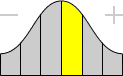
Short menstrual cycles
An evaluation of the Nurses Health Study II confirmed the hypothesis that reduced exposure to ovulatory menstrual cycles provides a protective effect against breast cancer. [American Journal of Epidemiology, Vol 147, Issue 7: pp. 636-643]
Counter Indicators
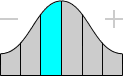
Long menstrual cycles
An evaluation of the Nurses Health Study II confirmed the hypothesis that reduced exposure to ovulatory menstrual cycles provides a protective effect against breast cancer. [American Journal of Epidemiology, Vol 147, Issue 7: pp. 636-643]
Conditions that suggest Increased Risk of Breast Cancer
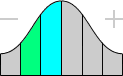
Hyperparathyroidism
When hyperparathyroidism is present, the likelihood of elevated serum calcium being caused by other conditions is obviously reduced.
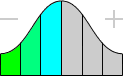
Endometriosis
Endometriosis has been linked to the environmental contaminant dioxin and a lack of physical activity, both of which are associated with an increased breast cancer risk.
Risk factors for Increased Risk of Breast Cancer
Early puberty onset
Early onset of menarche (beginning of the menstrual function) is a recognized risk factor for breast cancer, while a later menarche has been associated with a reduced risk of breast cancer. Menarche comes later in children raised on a plant-based diet.
Counter Indicators
Delayed/late puberty onset
Early onset of menarche (beginning of the menstrual function) is a recognized risk factor for breast cancer, while a later menarche has been associated with a reduced risk of breast cancer. Menarche comes later in children raised on a plant-based diet.
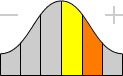
Breast cancer in mother
Breast cancer in family members
Elevated Insulin Levels
“Women with the highest insulin levels in their blood were more than two times more likely to develop breast cancer than women with the lowest insulin levels.” Moreover, “when we controlled for insulin, the association between obesity and breast cancer became much weaker,” adds Dr. Gunter. “This means that a large component of that obesity-cancer relationship may be mediated by insulin levels.”
Higher-than-normal levels of insulin place postmenopausal women at increased risk of breast cancer, researchers at Albert Einstein College of Medicine of Yeshiva University report. Their findings, published in the January 7, 2009 issue of the Journal of the National Cancer Institute, suggest that interventions that target insulin and its signaling pathways may decrease breast cancer risk in these women.
Low Progesterone or Estrogen Dominance
There is evidence that natural progesterone has an important role in breast cancer treatment and prevention. A study conducted in 1981 at Johns Hopkins University revealed that when a group with a low progesterone level was compared with a normal-level progesterone group, it was found that the occurrence of breast cancer was 5.4 times greater in the women in the low progesterone group. That is, the incidence of breast cancer in the low progesterone group was over 80% greater than in the normal progesterone group. When the researchers looked at the low progesterone group for all types of cancer, they found that these women experienced a tenfold increase in all malignant cancers, compared to the normal group.
In a 1995 study published in the Journal of Fertility and Sterility, researchers found that women using a topical progesterone cream had dramatically reduced breast cell multiplication rates compared to women using either a placebo or estrogen. This exciting study demonstrated that natural progesterone creams impressively decreased breast cell proliferation rates. (27) [ Sellman, Sherrill, Hormone Heresy: What Women MUST Know About Their Hormones, GetWell International, USA, 1997, pages 107 – 108]
Low Melatonin Level
Based on questionnaires from 78,562 women participating in the Nurses’ Health Study, reports that women who worked 30 or more years on the night shift, with at least three night shifts per month, had an almost 40% greater risk of developing breast cancer compared with those who worked the usual day shift.
A second study reports that nighttime bright light exposure is linked to increased breast cancer risk. It is possible that exposure to more light at night – a common phenomenon in industrialized nations – may account for increased cancer risk in women, independent of night-shift work. Another study found only a suggestion of greater risk with the brightest bedrooms, and no additional risk when turning on a light temporarily during the night. [J Natl Cancer Ins 2001;93: pp.1557-1562]
One theory is that decreased levels of the brain hormone melatonin are responsible, since this chemical is known to regulate daily sleep-wake cycles. Previous research suggests that unusually low levels of melatonin, which can be seen if humans are exposed to light during the night, may promote tumor growth. Normally, melatonin levels are highest during nighttime darkness and lowest during the daytime light.
The clinical experience of Dr. Pat Elliott, ND has been that a large proportion of young women with a close family history of breast cancer have low melatonin levels themselves. One researcher noted that for breast cancer, the decline of melatonin corresponds to growth of the cancer. This relationship is correlational, but it does suggest that there might be a causal relationship and that melatonin might fight this cancer.
To view more detail regarding breast cancer, melatonin and restrictive clothing, please go to the Breast Disease Time Line article.
Hypercalcemia
Hypercalcemia associated with malignancy, commonly is the result of breast or lung cancer and is caused by increased osteoclastic activity within the bone.
Daily/occ antiperspirant use or history of AP use
Your antiperspirant probably contains aluminum, and that aluminum may be absorbed into your breast tissue where it could potentially increase your risk of breast cancer or other health problems. Women with breast cancer have higher levels of aluminum in their nipple aspirate fluid (NAF), a fluid present in the breast duct tree. Studies show aluminum from antiperspirants is deposited in breast tissue, and animal studies have also found that aluminum can cause cancer
Exercising aerobically somewhat or absence of aerobic exercise
Women who exercise have a lower risk of breast cancer, which could relate to better lymphatic circulation due to more breast movement.
Counter Indicators
Exercising aerobically frequently or exercising aerobically moderately
Women who exercise have a lower risk of breast cancer, which could relate to better lymphatic circulation due to more breast movement.
Avoided AP use
Your antiperspirant probably contains aluminum, and that aluminum may be absorbed into your breast tissue where it could potentially increase your risk of breast cancer or other health problems. Women with breast cancer have higher levels of aluminum in their nipple aspirate fluid (NAF), a fluid present in the breast duct tree. Studies show aluminum from antiperspirants is deposited in breast tissue, and animal studies have also found that aluminum can cause cancer
Problem Caused By Being Overweight
Women with ‘apple-shaped’ bodies may be more likely to develop breast cancer than their ‘pear-shaped’ counterparts. Harvard researchers studied breast cancer risk among postmenopausal women who had never used hormone replacement therapy (HRT) and found even greater risks, with larger-waisted women appearing to be 88% more likely to develop breast cancer than smaller-waisted women. HRT use can increase the risk of breast cancer, regardless of waist size. Exactly why fat distribution affects breast cancer risk is not fully understood but perhaps, the researchers speculate, upper or central body fat is deeper and may be closer to the important organs and glands that regulate hormone balance than fat in the other areas of the body. These hormonal changes may be responsible for the increased risk of the cancer.
[American Journal of Epidemiology December 1999;150: pp.1316-1324]Counter Indicators
Headaches, Migraine/Tension
Women who suffer from migraines may take at least some comfort in a recent, first-of-its-kind study that suggests a history of such headaches is associated with a significantly lower risk of breast cancer. Christopher I. Li, M.D., Ph.D., and colleagues at Fred Hutchinson Cancer Research Center report these findings in the November issue of Cancer Epidemiology, Biomarkers and Prevention.
“We found that, overall, women who had a history of migraines had a 30 percent lower risk of breast cancer compared to women who did not have a history of such headaches,” said Li, a breast-cancer epidemiologist and associate member of the Hutchinson Center’s Public Health Sciences Division.
In particular, migraine history appeared to reduce the risk of the most common subtypes of breast cancer: those that are estrogen-receptor and/or progesterone-receptor positive. Such tumors have estrogen and/or progesterone receptors, or docking sites, on the surface of their cells, which makes them more responsive to hormone-blocking drugs than tumors that lack such receptors.
The biological mechanism behind the association between migraines and breast cancer is not fully known, but Li and colleagues suspect that it has to do with fluctuations in levels of circulating hormones.
(Past) non-human estrogen use
Recent findings from a landmark study, published in The New England Journal of Medicine in 1995 and involving 121,700 women, revealed startling effects from non-human estrogen use. It warned that women who used this type of estrogens to offset the symptoms of menopause also increased their chance of developing breast cancer by 30-40% by taking the hormone for more than five years. In women aged between 60 and 64, the risk of breast cancer rose to 70% after five years of use. Finally, the study concluded that women were 45% more likely to die from breast cancer than those who chose not to use them or used them for less than five years.
Because estrogen taken alone has been shown to cause cancer of the endometrium (the glandular membrane that lines the
uterus), many doctors consider estrogen therapy to be relatively safe for women who have had a hysterectomy. For women who still have their uteruses, progestin is added to the estrogen to prevent endometrial cancer. This combined HRT is the therapy that was being used in the 2002 WHI study that was abruptly halted when it became clear that the two drugs combined caused an increased risk of breast cancer and heart disease.
History of birth control pill use
For women who took birth control pills before 1975, the researchers found a three-fold increase in breast cancer among daughters and sisters of women with the disease. And there was an 11-fold increase among pill users with an excessive family history — that is, five or more close relatives with breast or ovarian cancer. Newer preparations with lower levels of hormones do not carry the same degree of risk.
Women who carry mutations in the BRCA1 gene may have a higher risk of early onset of breast cancer if they have used birth control pills for five or more years.
“In general, the pill does not appear to increase the risk of breast cancer in the wider population. And, while there is no evidence of adverse effects for BRCA2 carriers, more study is needed to confirm these findings.” The use of current types of birth control pills appears to be safe as it pertains to breast cancer risk when there is no genetic susceptibility. After age 25, there is no observed increase in risk associated with pill use. [Journal of the National Cancer Institute, Dec. 4, 2002]
An April 2009 study by Jessica Dolle et al. of the Fred Hutchinson Cancer Research Center examining the relationship between oral contraceptives (OCs) and triple-negative breast cancer (TNBC) in women under age 45 contained an admission from U.S. National Cancer Institute (NCI) researcher Louise Brinton and her colleagues (including Janet Daling) that abortion raises breast cancer risk by 40%.
Additionally, Dolle’s team showed that women who start OCs before age 18 multiply their risk of TNBC by 3.7 times and recent users of OCs within the last one to five years multiply their risk by 4.2 times. TNBC is an aggressive form of breast cancer associated with high mortality.
Antibiotic use
A large University of Washington study that revealed how excessive antibiotic use may be associated with an elevated risk of breast cancer. In that study, the women who had the highest rates of cumulative days of antibiotic use over 17 years had a sharply increased risk of death due to breast cancer.
Current birth control pill use
Women with the BRCA1 and BRCA2 mutations have a 50 to 80% risk of developing breast cancer. In Canada, approximately one in 200 women carry one of these mutations. Birth control pill use before the age of 25 in women with the BRCA1 mutation increases their risk.
An April 2009 study by Jessica Dolle et al. of the Fred Hutchinson Cancer Research Center examining the relationship between oral contraceptives (OCs) and triple-negative breast cancer (TNBC) in women under age 45 contained an admission from U.S. National Cancer Institute (NCI) researcher Louise Brinton and her colleagues (including Janet Daling) that abortion raises breast cancer risk by 40%.
Additionally, Dolle’s team showed that women who start OCs before age 18 multiply their risk of TNBC by 3.7 times and recent users of OCs within the last one to five years multiply their risk by 4.2 times. TNBC is an aggressive form of breast cancer associated with high mortality.
Counter Indicators
Taking tocotrienols
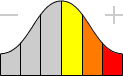
History of breast cancer
(History of) BPA exposure
Women may want to think twice before using plastic food containers and cans, for a study found a chemical widely used in such packaging, known as bisphenol-A, or BPA, may be linked to the incidence of breast cancer. [Endocrinology May 26, 2005 ]
Counter Indicators
Very limited BPA exposure
Women may want to think twice before using plastic food containers and cans, for a study found a chemical widely used in such packaging, known as bisphenol-A, or BPA, may be linked to the incidence of breast cancer. [Endocrinology May 26, 2005 ]
Restrictive extended/restrictive bra wearing
Sydney Ross Singer and Soma Grismaijer (husband-and-wife authors of Dressed to Kill, Avery Press, 1995) have discovered a possible trigger for breast cancer in interviews of 4,730 women in five major US cities, conducted between 1991 and 1993. They found that:
Counter Indicators
Not wearing a restrictive bra
Sydney Ross Singer and Soma Grismaijer (husband-and-wife authors of Dressed to Kill, Avery Press, 1995) have discovered a possible trigger for breast cancer in interviews of 4,730 women in five major US cities, conducted between 1991 and 1993. They found that:
Moderate/high alcohol consumption
More than nine drinks per week significantly increases the risk of breast cancer.
(Several) past abortions
Dr. Joel Brind and colleagues at Penn State’s College of Medicine reviewed the compiled the data from all twenty-three available studies (at that time), dating back to 1957. Even with the most conservative statistical averaging method, they found a significant, 30% increase in the risk of breast cancer attributable to a woman’s having had one or more induced abortions.
However, resolving the scientific dilemma of the different studies would require more than simply adding up the studies to date and averaging them out, epidemiologists say. Instead, it would require well-designed studies that examine large numbers of women and do not rely on interviews with patients to gather the data.
Shocking Reversal: Researcher at National Cancer Institute Admits Abortions DO Raise Breast Cancer Risks – Karen Malec (January 7, 2010)
“Although the study was published nine months ago, the NCI, the American Cancer Society, Susan G. Komen for the Cure and other cancer fundraising businesses have made no efforts to reduce breast cancer rates by issuing nationwide warnings to women.”
Less than two months since the U.S. Preventive Services Task Force issued new guidelines recommending against routine mammograms for women in their forties, a second breast cancer scandal involving a U.S. government panel of experts has come to light which has implications for healthcare reform.
An April 2009 study by Jessica Dolle et al. of the Fred Hutchinson Cancer Research Center examining the relationship between oral contraceptives (OCs) and triple-negative breast cancer (TNBC) in women under age 45 contained an admission from U.S. National Cancer Institute (NCI) researcher Louise Brinton and her colleagues (including Janet Daling) that abortion raises breast cancer risk by 40%.
Additionally, Dolle’s team showed that women who start OCs before age 18 multiply their risk of TNBC by 3.7 times and recent users of OCs within the last one to five years multiply their risk by 4.2 times. TNBC is an aggressive form of breast cancer associated with high mortality.
“Although the study was published nine months ago,” observed Karen Malec, president of the Coalition on Abortion/Breast Cancer, “the NCI, the American Cancer Society, Susan G. Komen for the Cure and other cancer fundraising businesses have made no efforts to reduce breast cancer rates by issuing nationwide warnings to women.”
Brinton was the chief organizer of the 2003 NCI workshop on the abortion-breast cancer link, which falsely assured women that the non-existence of the link was “well established.”
Dolle’s team reported in Table 1 a statistically significant 40% risk increase for women who have had abortions. They listed abortion among “known and suspected risk factors.”
Brinton and Daling had previously studied this population from the Seattle-Puget Sound area in the 1990s and reported risk increases between 20% and 50% among women with abortions. In the 2009 study, they and their co-authors wrote that their findings concerning induced abortion, OC use and certain other risk factors, “were consistent with the effects observed in previous studies on younger women.”
“Obviously, more women will die of breast cancer if the NCI fails in its duty to warn about the risks of OCs and abortion and if government funds are used to pay for both as a part of any healthcare bill,” said Mrs. Malec.
A brief analysis of the study, Dolle et al. 2009, was provided by Dr. Joel Brind, professor of biology and endocrinology and deputy chair for biology at Baruch College, City University of New York.
Last year, studies from Turkey and China also reported statistically significant risk increases for women who had abortions.
Late birth of first child
Counter Indicators
(Several) successful pregnancies or a successful pregnancy
Increased Risk of Breast Cancer can lead to
Recommendations for Increased Risk of Breast Cancer

CLA (Conjugated Linoleic Acid)
For breast cancer prevention and treatment, it is suggested that 6 to 10 750mg capsules of CLA be taken daily. When taking CLA, the breast cancer patient also must take soy.

Turmeric Extract, Curcumin
In a study on human breast cancer cells, curcumin reversed growth caused by 17b-estradiol by 98%. DDT’s growth-enhancing effects on breast cancer were blocked about 75% by curcumin. Other chemicals which encourage breast cancer such as, chlordane and endosulfane, are blocked and the growth rate greatly slowed by curcumin. [Environ Health Perspect 1998, 106: pp.807-812]
Pomegranate
The Technion-Israel Institute of Technology research team presented two studies at an international conference in June, 2001 indicating that pomegranate seed oil triggers apoptosis – a self-destruct mechanism in breast cancer cells. Furthermore, pomegranate juice can be toxic to most estrogen-dependent breast cancer cells, while leaving normal breast cells largely unaffected. Estrogen is a hormone often prescribed to protect postmenopausal women against heart disease and osteoporosis.
In the first study, laboratory-grown breast cancer cells were treated for three days with pomegranate seed oil. The researchers observed apoptosis in 37% to 56% of the cancer cells, depending upon the dose of oil applied.
In the second study, both normal and cancerous breast cells were exposed to fermented pomegranate juice (pomegranate wine) and pomegranate peel extracts, which contain polyphenols (powerful antioxidants). The vast majority of the normal cells remained unaffected by the two pomegranate derivatives. But more than 75% of the estrogen-dependent cancer cells, and approximately half of the non-estrogen dependent cancer cells were destroyed by exposure to these same pomegranate products.
“Pomegranates are unique in that the hormonal combinations inherent in the fruit seem to be helpful both for the prevention and treatment of breast cancer,” explains Dr. Ephraim Lansky, who headed the studies. “Pomegranates seem to replace needed estrogen often prescribed to protect postmenopausal women against heart disease and osteoporosis, while selectively destroying estrogen-dependent cancer cells.”
Dr. Martin Goldman, a New York-based board certified internist and life medicine specialist, notes, “This is apparently a safe substance that could be helpful to many people, especially women at high-risk for developing breast cancer.”
Dr. Lajos Pusztai, an assistant professor who studies breast cancer at the M.D. Anderson Cancer Center in Houston, Texas, says Dr. Lansky’s study “provides a potential new avenue to develop anti-cancer drugs from a natural compound.”

Maca (Lepidium meyenii)
Women with a history or increased risk of breast cancer should avoid this herb because of possible negative hormonal influences.
Olive Oil
(2008) Researchers from the University of Granada in Spain have discovered two chemicals found in extra-virgin olive oil-lignans and secoiridoids-block the HER2 protein that causes breast cancer tumors to grow more rapidly than other forms of the disease.
“Our findings reveal for the first time that all the major complex phenols present in extra-virgin olive oil drastically suppress over-expression of the cancer gene HER2 in human breast cancer cells,” wrote study authors Javier Menéndez from the Catalan Institute of Oncology and Antonio Segura-Carretero from the University of Granada.
According to a report in Newsmax, the researchers believe their study may lead to the development of drugs based on the cancer-fighting chemicals.
“These findings, together with the fact that humans have safely been ingesting significant amounts of lignans and secoiridoids as long as they have been consuming olives and extra-virgin oil, strongly suggest that these polyphenols might provide an excellent and safe platform for the design of new anti breast-cancer drugs,” wrote Menéndez and Segura-Carretero.
Low Fat Diet
Please see reference found in the link between Increased Risk of Breast Cancer and Aerobic Exercise.
High/Increased Fiber Diet
See reference found in the link between Increased Risk of Breast Cancer and Aerobic Exercise.
Vegetarian/Vegan Diet
In the Nurses’ Health Study, beta carotene proved protective against breast cancer for more than 87,000 women. Beta carotene both in supplement form and in foods such as fresh fruits and vegetables should be included in your diet if you are interested in breast cancer prevention.
Regarding children, plant-based diets may encourage a later menarche (beginning of the menstrual function), which has been shown to be associated with reduced risk of breast cancer in epidemiologic studies.[1, 2]
Dairy Products Avoidance
A new study suggests the growth hormones used to increase cows’ milk production can increase the risk of breast cancer for milk-drinkers. Samuel Epstein, a U.S. researcher, presented a report on growth hormones and milk to the World Conference on Breast Cancer in Ottawa. He explained insulin-like growth factor 1 (IGF-1) stimulates breast-cell growth, and uncontrolled cell growth can lead to cancer. Epstein says blood tests from breast-cancer patients show high levels of IGF-1.

Change In Clothing Habits
Highly regarded studies, including one at Harvard, have shown that women who wear bras for extended periods are at much higher risk of developing breast cancer than those who do not. There is strong evidence that this is as a result of impaired lymphatic flow. Wearing a bra, especially a constricting one with underwires and/or tight straps, and especially to bed, prevents normal lymphatic flow and would likely lead to anoxia (lower than normal oxygen content), which has been related to fibrosis, which has been linked to increased cancer risk.
The logical conclusion is that bras should be used as little as possible, if at all. Breast movement should not be restricted. Scientific literature about lymphatic flow indicates that this may be as important as the constriction factor. Every subtle bounce of the breast while moving, walking, running, etc. gently massages the breast and increases lymphatic flow and thus cleans the breast of toxins and wastes that arise from cellular metabolism.
Of course, there may be other mechanisms for the damage that bras apparently cause. One such mechanism could be temperature. Breasts are external organs and have a naturally lower temperature, but this rises when a bra is worn. Cancers can be temperature-dependent; breast cancer is hormone-dependent; temperature can alter hormone function.
All these facts are well-established in medical literature. By whatever mechanism, someone will eventually explain why Singer and Grismaijer found a 125-fold difference in cancer rates between bra-free breasts and those constricted by 24-hour-per-day bra-wearing. They have written a book that is well worth reading, Dressed to Kill, Avery Press, 1995.
Singer and Grismajer suggest that you simply stop wearing one for two weeks and see how you feel. “Don’t sleep in your bra!“, pleads Singer. “Women who want to avoid breast cancer should wear a bra for the shortest period of time possible – certainly for less than 12 hours daily.”
Push-up and sports bras are much worse than loose-fitting cotton bras. You should be able to slip two fingers under the shoulder-straps and side-panels. The higher the side-panels, the more severe the restriction of major lymph nodes. Take your bra off at home. Massage your breasts every time you remove your bra.
To view more detail, please go to the Breast Disease Time Line article.
Chemical Avoidance
A 1999 study showed the risk of breast cancer was approximately doubled through use of termite or louse control products, a professional lawn service, or playing golf (possible herbicide exposure).
Many sunscreens contain chemicals which are estrogenic and regular use may contribute to breast cancer risk and growth.
Store food items in glass instead of plastic due to the bisphenol A (BPA) content. BPA exposure has been linked to increased risk of breast cancer.
Exposing estrogen-sensitive breast cancer cells to extracts of channel catfish caught in areas with heavy sewer and industrial waste causes the cells to multiply, according to a University of Pittsburgh study presented at the annual meeting of the American Public Health Association in Washington, D.C. (2007) The abstract, number 159141, was presented at a special session on “Contaminants in Freshwater Fish: Toxicity, Sources and Risk Communication.”
The study, which tested extracts from channel catfish caught in the Allegheny and Monongahela rivers near Pittsburgh, suggests that the fish, caught in areas of dense sewer overflows, contain substances that mimic the actions of estrogen, the female hormone. Since fish are sentinels of water quality, as the canary in the coal mine is a sentinel of air pollution, and can concentrate fat soluble chemicals from their habitats within their bodies, these results suggest that pharmaceutical estrogens and xeno-estrogenic chemicals, those that mimic estrogens in the body, may be making their way into the region’s waterways.
Diindolylmethane DIM / Indole 3 Carbinol IC3
Phytochemicals such as indole-3-carbinol (I3C) and sulforaphane are components of cruciferous vegetables which exhibit antitumorigenic activity associated with altered carcinogen metabolism and detoxification. Diindolylmethane (DIM) is a major metabolite of I3C formed in the gut and represents a new class of antiestrogens that inhibit breast cancer growth. It also encourages cells that are abnormally multiplying to stop reproducing and die.
We all know that eating fruits, vegetables and soy products provides essential nutrition for a healthy lifestyle, while obesity leads to the opposite. Yet proving the effect of nutrition, or obesity, on cancer is an experimental challenge and a focus for scientists. According to emerging evidence being presented at the 2007 Annual Meeting of the American Association for Cancer Research, eating well might still be one of the more pleasurable ways to prevent cancer and promote good health.
Eating such foods as broccoli and soy are believed to offer some protection against cancer, but how this occurs is not well-understood. Now, in laboratory experiments, researchers at the University of California, Los Angeles, have discovered a biological mechanism whereby two compounds in these foods might lower the invasive and metastatic potential of breast and ovarian cancer cells.
They found that diindolylmethane (DIM), a compound resulting from digestion of cruciferous vegetables, and genistein, a major isoflavone in soy, reduce production of two proteins whose chemotactic attraction to each other is necessary for the spread of breast and ovarian cancers.
When applying purified versions of DIM and genistein to motile cancer cells, the researchers could literally watch these cells come to a near halt. When either compound was applied, migration and invasion were substantially reduced.
“We think these compounds might slow or prevent the metastasis of breast and ovarian cancer, which would greatly increase the effectiveness of current treatments,” said Erin Hsu, a graduate student in molecular toxicology. “But we need to test that notion in animals before we can be more definitive.”
Both DIM and genistein are already being developed for use as a preventive and a chemotherapy treatment for breast cancer, although more extensive toxicological studies are necessary, the researchers say.
Aerobic Exercise
Exercising at least four hours per week for 12 years can reduce a woman’s risk of breast cancer in half, according to a study of breast cancer patients performed at the University of Southern California. The study revealed that exercise is especially important during the adolescent and child-bearing years. In addition, the 12 years of exercise do not need to be performed consecutively. This study complements one performed at the Alberta Cancer Board in Alberta, Canada, which showed that exercising throughout life can cut a woman’s risk of breast cancer by 20%.
Women who reported the highest levels of physical activity in the year before they were diagnosed with breast cancer may have higher survival, according to a new study. Published in the October 15, 2006 issue of CANCER, a peer-reviewed journal of the American Cancer Society, the study found that obese and overweight women who had higher levels of moderate or vigorous recreational physical activity within one year before diagnosis tended to have better five-year survival patterns compared to other groups. Women of ideal body weight did not experience survival benefits from exercise; more remote histories of physical activity also had no impact on survival.
Research from the US (2008) suggests that vigorous exercise cuts the risk of breast cancer in post-menopausal women and is particularly effective for women who are not overweight.
This study was the work of researchers at the National Cancer Institute and is published in the 31 October issue of the journal Breast Cancer Research.
For the study the investigators examined data on over 32,000 women enrolled in the Breast Cancer Detection Demonstration Project Follow-up Study. This included responses to a questionnaire about their physical activity (including everyday tasks like housework, work related activity and leisure activity) over 12 months before baseline, after which incidence of post-menopausal breast cancer and deaths were monitored. The investigators then performed statistical tests to estimate the relative risk of post-menopausal breast cancer linked to physical activity.
The results showed that:
Estrogen Replacement
Exposure to HRT was associated with an increased risk of invasive breast cancer. [JAMA Vol. 281 No. 22, June 9, 1999]
ScienceDaily (May 30, 2008) — If hormone replacement therapy is taken over a period of more than five years, the risk of breast cancer will increase. While this risk is considerably elevated during use of hormone medication, it drops back to the original level within about five years after a woman has stopped taking hormones. These new findings from Germany fit with earlier findings in the U.S.
ScienceDaily (Feb. 5, 2004) — A Swedish study established to assess the effect of hormone replacement therapy (HRT) for women with a history of breast cancer has been stopped early after preliminary results show ‘unacceptably high’ risks of breast cancer recurrence for HRT users. The results are published online by THE LANCET (3 February 2004) and appeared in the February 7 print edition.
HOWEVER, the use of estriol, one of the forms of estrogen, is thought to reduce the risk of breast cancer recurrence, and should be considered as part of a treatment package to prevent recurrence.
Test / Monitor Hormone levels
Testing for estrogen, progesterone and testosterone may help to properly evaluate breast and ovarian cancer risk. Some estrogens, as well as testosterone, may aggravate the risk whereas progesterone has a protective effect.
There are additional estrogenic tests that can be done to evaluate breast cancer risk. There is considerable and increasing research concerning the 2/16-alpha hydroxyestrone ratio. A very recent human study states: “2-hydroxyestrone levels and 2/16-alpha hydroxyestrone ratios were significantly lower, while 16-alpha hydroxyestrone levels were higher in breast cancer patients.” The 2/16-alpha hydroxyestrone ratio appears to be a very significant predictive factor of breast cancer. Many laboratories are offering these tests now.
Test for DHEA
Of 5,000 women followed in one study, 27 developed cancer. Most of the 27 had abnormally low levels of DHEA.
Essential Fatty Acids
French researchers examined the fat composition of almost 250 patients with invasive, nonmetastatic breast carcinoma and compared the content to 88 patients with benign breast disease. Women who had the most omega-3 and least omega-6 had a 70% reduction in breast cancer. In other words, the lower the omega 6:3 ratio the lower the risk of breast cancer. [Anticancer Research 2002 March/April;22(2A): pp.537-43]
Also, lignans are particularly abundant in raw ground flax seed and are also found in whole grains and legumes. Diets that are rich in these foods seem to be a factor in preventing the development of breast cancer in women.
Beta-Carotene
A study published in 1992 by the State University of New York compared 310 women having breast cancer to 316 women without the disease. The study found that the cancer-free group ate many more beta carotene-containing fruits and vegetables than he women with breast cancer. In addition, the National Cancer Institute studied 83 women with breast cancer and found that they had lower blood levels of beta carotene.
Lycopene
While preliminary evidence links dietary lycopene with protection from breast cancer [Cancer Causes Control 1998;9: pp.89-97], another study did not find this link. [Cancer Lett 1997;114: pp.251-3]
Vitamin D
The breast cancer study, published online in the current issue of the Journal of Steroid Biochemistry and Molecular Biology (Article Date: 07 Feb 2007), pooled dose-response data from two earlier studies – the Harvard Nurses Health Study and the St. George’s Hospital Study – and found that individuals with the highest blood levels of 25-hydroxyvitamin D, or 25(OH)D, had the lowest risk of breast cancer.
“The data were very clear, showing that individuals in the group with the lowest blood levels had the highest rates of breast cancer, and the breast cancer rates dropped as the blood levels of 25-hydroxyvitamin D increased,” said study co-author Cedric Garland, Dr.P.H. “The serum level associated with a 50 percent reduction in risk could be maintained by taking 2,000 international units of vitamin D3 daily plus, when the weather permits, spending 10 to 15 minutes a day in the sun.”
And, in 2007, if vitamin D3 levels among populations worldwide were increased, 600,000 cases of breast and colorectal cancers could be prevented each year, according to researchers from the Moores Cancer Center at the University of California, San Diego (UCSD). This includes nearly 150,000 cases of cancer that could be prevented in the United States alone.
The researchers estimate that 250,000 cases of colorectal cancer and 350,000 cases of breast cancer could be prevented worldwide by increasing intake of vitamin D3, particularly in countries north of the equator.
The study examines the dose-response relationship between vitamin D and cancer, and is the first to use satellite measurements of sun and cloud cover in countries where blood serum levels of vitamin D3 were also taken.
Serum vitamin D levels during the winter from 15 countries were combined, then applied to 177 countries to estimate the average serum level of a vitamin D metabolite among the population.
An inverse association between serum vitamin D and the risk of colorectal and breast cancers was found.
Protective effects began when 25-hydroxyvitamin D levels (the main indicator of vitamin D status) ranged from 24 to 32 nanograms per milliliter (ng/ml). In the United States, late winter 25-hydroxyvitamin D levels ranged from 15 to 18 ng/ml.
Previous research has suggested that raising levels to 55 ng/ml was actually optimal to prevent cancer, the researchers said.
To increase your vitamin D3 levels, the researchers recommended a combination of dietary methods, supplements and sunlight exposure of about 10 to 15 minutes a day, with at least 40 percent of your skin exposed. [The Journal of Steroid Biochemistry and Molecular Biology March 2007; 103(3-5):708-11]
Vitamin E
It appears that the most common form of vitamin E, alpha tocopherol, does not help prevent or treat breast cancer. It may also actually increase the dose of Tamoxifen required to inhibit growth of estrogen receptor negative cancer cell lines. However, gamma tocopherol has demonstrated some cancer prevention effects compared to alpha tocopherol.
Vitamin E succinate is a derivative of vitamin E and has been shown to inhibit tumor cell growth. In one study, vitamin E succinate inhibited growth and induced apoptic cell death in estrogen-receptor-negative human breast cancer cell lines. Vitamin E succinate may be of clinical use in the treatment of aggressive human breast cancers, particularly those that are resistant to anti-estrogen therapy. Those with estrogen-receptor-negative breast cancers should consider taking 1200 IU of vitamin E succinate each day.
However, the best vitamin E to take for both prevention and treatment is in the form of tocotrienols. Tocotrienols induce breast cancer cell death (apoptosis). Although apoptosis could be achieved, the dose of tocotrienol needed to induce 50% apoptosis was up to 4 times higher than the dose of tocotrienol required to induce 50% growth inhibition.
Tocotrienols inhibit human breast cancer cells irrespective of estrogen receptor status. Although delta tocotrienol was found to be the most effective tocotrienol in inducing apoptosis (cell death) in estrogen-responsive and estrogen-nonresponsive human breast cancer cells, alpha and gamma-tocotrienol have shown anticancer effects also. Gamma-tocotrienol may be more potent in inhibiting growth of human breast cancer cultured cells than Tamoxifen.
A daily dose of 30-50mg mixed tocotrienols may be adequate for reducing breast cancer risk, if elevated, and higher doses as part of a treatment plan for breast cancer. It is especially important to take the tocotrienols with some form of oil or fat-containing food. One study showed that when tocotrienols are taken on an empty stomach, absorption was reduced by an average of 64%.
Vitamin C (Ascorbic Acid)
In a 1991 review of 46 studies of the protective effect of vitamin C against cancer, 33 of those studies showed that vitamin C helped safeguard against the development of many cancers. This included non-hormone-dependent breast cancer. Vitamin C did not appear to confer any protection against hormone-dependent (including estrogen-dependent) breast cancers.
Key
| Weak or unproven link |
| Strong or generally accepted link |
| Proven definite or direct link |
| Weakly counter-indicative |
| Strongly counter-indicative |
| Very strongly or absolutely counter-indicative |
| May do some good |
| Likely to help |
| Highly recommended |
| Reasonably likely to cause problems |
Glossary
Cancer
Refers to the various types of malignant neoplasms that contain cells growing out of control and invading adjacent tissues, which may metastasize to distant tissues.
Immune System
A complex that protects the body from disease organisms and other foreign bodies. The system includes the humoral immune response and the cell-mediated response. The immune system also protects the body from invasion by making local barriers and inflammation.
Lymph Nodes
Small, bean-shaped nodes at various points throughout the body that function to filter the lymph fluid and attempt to destroy the microorganisms and abnormal cells which collect there. The most common locations are the neck (both sides and front), armpit and groin, but also under the jaw and behind the ears. Swollen or painful lymph nodes generally result from localized or systemic infection, abscess formation, or malignancy. Other causes of enlarged lymph nodes are extremely rare. Physical examination for lymph nodes includes pressing on them to check for size, texture, warmth, tenderness and mobility. Most lymph nodes can not be felt until they become swollen, and then will only be tender when pressed or massaged. A lymph node that is painful even without touching indicates greater swelling. Lymph nodes can usually be distinguished from other growths because they generally feel small, smooth, round or oval-shaped and somewhat mobile when attempts are made to push them sideways. Because less fat covers the lymph nodes in children, they are easier to feel, even when they are not busy filtering germs or making antibodies. Children’s nodes enlarge faster, get bigger in response to an infection and stay swollen longer than an adult's.
Biopsy
Excision of tissue from a living being for diagnosis.
FDA
The (American) Food and Drug Administration. It is the official government agency that is responsible for ensuring that what we put into our bodies - particularly food and drugs - is safe and effective.
Antibody
A type of serum protein (globulin) synthesized by white blood cells of the lymphoid type in response to an antigenic (foreign substance) stimulus. Antibodies are complex substances formed to neutralize or destroy these antigens in the blood. Antibody activity normally fights infection but can be damaging in allergies and a group of diseases that are called autoimmune diseases.
Menopause
The cessation of menstruation (usually not official until 12 months have passed without periods), occurring at the average age of 52. As commonly used, the word denotes the time of a woman's life, usually between the ages of 45 and 54, when periods cease and any symptoms of low estrogen levels persist, including hot flashes, insomnia, anxiety, mood swings, loss of libido and vaginal dryness. When these early menopausal symptoms subside, a woman becomes postmenopausal.
Postmenopause
The postmenopausal phase of a woman's life begins when 12 full months have passed since the last menstrual period and any menopausal symptoms have become milder and/or less frequent.
Benign
Literally: innocent; not malignant. Often used to refer to cells that are not cancerous.
Estrogen
One of the female sex hormones produced by the ovaries.
Hormones
Chemical substances secreted by a variety of body organs that are carried by the bloodstream and usually influence cells some distance from the source of production. Hormones signal certain enzymes to perform their functions and, in this way, regulate such body functions as blood sugar levels, insulin levels, the menstrual cycle, and growth. These can be prescription, over-the-counter, synthetic or natural agents. Examples include adrenal hormones such as corticosteroids and aldosterone; glucagon, growth hormone, insulin, testosterone, estrogens, progestins, progesterone, DHEA, melatonin, and thyroid hormones such as thyroxine and calcitonin.
Chemotherapy
A treatment of disease by any chemicals. Used most often to refer to the chemical treatments used to combat cancer cells.
Lymphatic System
A network of vessels which collect fluid from the tissues of the body and return it to the blood. Lymphatic fluid (also called lymph) is rich in white blood cells that fight infection and an important part of the body's immune system.
Lactation
Production of milk; period after giving birth during which milk is secreted in the breasts.
Bruise
Injury producing a hematoma or diffuse extravasation of blood without breaking the skin.
Epidemiology
The study of the causes and distribution of disease in human populations.
Serum
The cell-free fluid of the bloodstream. It appears in a test tube after the blood clots and is often used in expressions relating to the levels of certain compounds in the blood stream.
Calcium
The body's most abundant mineral. Its primary function is to help build and maintain bones and teeth. Calcium is also important to heart health, nerves, muscles and skin. Calcium helps control blood acid-alkaline balance, plays a role in cell division, muscle growth and iron utilization, activates certain enzymes, and helps transport nutrients through cell membranes. Calcium also forms a cellular cement called ground substance that helps hold cells and tissues together.
Endometriosis
A condition whereby endometrial tissue builds up in parts of the uterus where it does not belong or areas outside of the uterus, forming 'ectopic implants'. Unlike the normal tissue lining the uterus, ectopic tissue has no place to shed in response to a decline in estrogen and progesterone. This results in debris and blood accumulating at the site of the implant leading to inflammation, scarring and adhesions that ultimately cause symptoms and complications. Symptoms typically occur in a cyclic fashion with menstrual periods, the most common being pelvic pain and cramping before and during periods; pain during intercourse; inability to conceive; fatigue; painful urination during periods; gastrointestinal symptoms such as diarrhea, constipation, and nausea.
Insulin
A hormone secreted by the pancreas in response to elevated blood glucose levels. Insulin stimulates the liver, muscles, and fat cells to remove glucose from the blood for use or storage.
Malignant
Dangerous. mainly used to describe a cancerous growth -- when used this way, it means the growth is cancerous and predisposed to spreading.
Topical
Most commonly 'topical application': Administration to the skin.
Placebo
A pharmacologically inactive substance. Often used to compare clinical responses against the effects of pharmacologically active substances in experiments.
Melatonin
The only hormone secreted into the bloodstream by the pineal gland. The hormone appears to inhibit numerous endocrine functions, including the gonadotropic hormones. Research exists on the efficacy of melatonin in treating jet lag and certain sleep disorders. Dosages greater than l milligram have been associated with drowsiness, headaches, disturbances in sleep/wake cycles and is contraindicated in those who are on antidepressive medication. It also negatively influences insulin utilization.
Hypercalcemia
Excess calcium in the blood.
Lymph Glands
Located in the lymph vessels of the body, these glands trap foreign material and produce lymphocytes. These glands act as filters in the lymph system, and contain and form lymphocytes and permit lymphatic cells to destroy certain foreign agents.
Migraine
Not just a headache, but a disorder affecting the whole body, characterized by clearly defined attacks lasting from about 4 to 72 hours, separated by headache-free periods; progresses through five distinct phases. Prodrome: experienced by about 50% of migraineurs and starting up to 24 hours before the headache - changes in mood, sensory perception, food craving, excessive yawning, or speech or memory problems. Aura: experienced by about 15% and starting within an hour before the headache - disruption of vision (flashing lights, shimmering zigzag lines, blind spot) or sensation (numbness or 'pins and needles' around the lips or hand), or difficulty speaking. Headache: usually pulsating and occurring on one side of the head, it may occur on both sides of the head and alternate from side to side. Muscles in the neck and scalp may be tender; there may be nausea and the desire not to eat, move, see or hear. Resolution: the headache disappears and the body returns to normal. Resolution may occur over several hours during sleep or rest; an intense emotional experience or vomiting may also end the headache. Postdrome: After the headache stops, the sufferer feels drained, fatigued and tired. Muscles ache, emotions are volatile and thinking is slow.
pH
A measure of an environment's acidity or alkalinity. The more acidic the solution, the lower the pH. For example, a pH of 1 is very acidic; a pH of 7 is neutral; a pH of 14 is very alkaline.
Hysterectomy
Surgical removal of the uterus, by way of either an abdominal or vaginal incision. Removal might include removal of the cervix (total hysterectomy) or not (subtotal / partial hysterectomy). A radical hysterectomy involves surgical removal of the uterus, upper vagina, tissues adjacent to the uterus and possibly the ovaries; usually undertaken for carcinoma of the uterus. A hysterectomy with oophorectomy involves the removal of the uterus and one ovary (unilateral oophorectomy) or both ovaries (bilateral oophorectomy).