If your Antioxicant / Oxidative Stress with Supplement score is Moderate or greater, additional antioxidants are advised.
Every day, our bodies are bombarded by free radicals from air pollution, pesticides, fried foods, alcohol, other environmental factors, and as the result of normal bodily processes. These damaging molecules destroy healthy cells and accelerate the aging process. Naturally occurring and supplemental antioxidants work to “quench” or neutralize the effects of free radicals.
Even though two individuals may be eating the same foods and taking the same supplements, one may have a low level of free radical activity and the other a high level. Some individuals, regularly taking antioxidants, will still have a high level of radical activity and must increase their antioxidant intake. Because excessive free radical activity is a major cause of degenerative diseases, controlling this activity by lifestyle changes and supplementation will help to prevent these diseases.
There is very solid evidence that supplemental antioxidant nutrients help to prevent atherosclerosis, cancer, arthritis, and other aging-related diseases. Overall, free radicals have been implicated in the pathogenesis of at least 50 diseases. It is when the availability of antioxidants is limited that this damage can become cumulative and debilitating.
Most of the oxidants produced by cells occur as:
- A consequence of normal aerobic metabolism: approximately 90% of the oxygen utilized by the cell is consumed by the mitochondrial electron transport system.
- Oxidative burst from phagocytes (white blood cells) as part of the mechanism by which bacteria and viruses are killed, and by which foreign proteins (antigens) are denatured.
- Xenobiotic metabolism, i.e., detoxification of toxic substances.
Consequently, things like vigorous exercise, which accelerates cellular metabolism; chronic inflammation, infections, and other illnesses; exposure to allergens and the presence of “leaky gut” syndrome; and exposure to drugs or toxins such as cigarette smoke, pollution, pesticides, and insecticides may all contribute to an increase in the body’s oxidant load.
Conditions that suggest Antioxidant Need/Oxidative Stress w/ Supplements
Cataracts / Risk
Formation of cataracts is believed to involve damage to lens protein by free radicals, causing the lens to lose its transparency. Some evidence suggests that cataract progression might be slowed with regular consumption of supplemental antioxidants, in particular vitamin E, vitamin C, and the carotenoids [Cataracts, Neurological Disorders, and Exercise. ch. 18, 515-533, Natural Antioxidants in Human Health and Disease. Academic Press, 1994]. It is estimated that if cataract development were delayed by 10 years as a result of increased antioxidant protection, the number of cataract surgeries performed in the U.S. would decrease by more than half.
Chronic Fatigue / Fibromyalgia Syndrome
The mitochondria are the energy power houses of the cell. Due to their critical role in producing the energy that drives every
physiologic process, mitochondrial function is an area of intense interest and study. It has been suggested that certain chronic illnesses related to muscle pain and chronic fatigue, e.g., myofascial pain syndrome (MPS), fibromyalgia syndrome, and chronic fatigue immunodeficiency syndrome (CFIDS), are disorders in which there is an aberration or dysfunction of mitochondrial energy production.
It has been suggested that mitochondrial dysfunction is related to damage caused by ROS produced as a consequence of increased oxidative stress and insufficient antioxidant defenses. Levels of ROS produced within the mitochondria are reported to increase with age. Consequently, oxidative damage to mitochondria would also appear to increase with age. This damage results in a decrease in energy production by some of the cell’s mitochondria. Mitochondrial function is supported by a broad spectrum of nutritional modulators including antioxidants and antioxidant support systems.
Chronic Inflammation
Chronic inflammation, like cigarette smoking, has a strong free radical component in it’s mechanism of action.
Autism
Researchers at the University of Pennsylvania School of Medicine discovered that children with autism showed signs of abnormal blood-vessel function and damaging levels of oxidative stress compared to healthy children. The children with autism possessed levels of biochemicals that indicate the presence of constricted blood vessels via the endothelium (the cells that line vessels) with a higher tendency to form clots (through cells called platelets).
By exploring the relationship between oxidative stress and blood-vessel function in autistic patients, investigators hope to find new therapeutic options for this syndrome. The researchers, led by Domenico Pratico, MD, Associate Professor of Pharmacology, published their findings in the August 2006 issue of the Archives of Neurology.
Poor Memory
Eating an antioxidant-rich diet may help keep cognitive skills strong during old age, according to an animal study conducted at the University of Toronto. Old dogs that were on an antioxidant diet performed better on a variety of cognitive tests than dogs that were not on the diet. The dogs eating the antioxidant-fortified foods performed as well as young animals. Antioxidants include vitamin E, vitamin C, and beta carotene (a form of vitamin A), as well as other minerals and compounds found in food. These nutrients have been shown to help reduce oxidation, a process that can cause damage to cells and may contribute to aging, including the reduced cognitive decline that typically develops with age. Supplementation was required for two years before differences were noted, so this is not a quick fix.
Enlarged Prostate
A small but direct association was found between BPH and the intake of total energy, protein and long-chain fatty acids, which suggests that oxidative stress may contribute to BPH. Antioxidants may be of value. [ Am J Clin Nutr, 2002; 75: pp.689-697]
Asthma
Because of its large surface area, the respiratory tract is a major target for free radical insult, not to mention the fact that air pollution is a major source of ROS. Studies suggest that free radicals may be involved in the development of pulmonary disorders such as asthma [J Am Coll Nutr 1995;14(4): pp.317-324]. Cellular damage caused by free radicals is
thought to be partly responsible for the bronchial inflammation characteristic of this disease. It has been suggested that increasing antioxidant intake may help to reduce oxidant stress and help to prevent or minimize the development of asthmatic symptoms.
Increased Risk of Coronary Disease / Heart Attack
While several factors are believed to promote atherosclerosis, a growing body of evidence suggests a critical step in its development is the oxidation of low-density lipoprotein (LDL) within the arterial wall. This theory is supported by several epidemiological studies which link low intakes of dietary antioxidants to an increased frequency of heart disease [Clin Cardiol 1993;16(suppl I): pp.1-10).]. Additionally, an inverse relationship between heart disease and plasma antioxidant levels has been reported [Am J Clin Nutr 1987;32: pp.511-512]. It has been estimated that dietary increases in antioxidant vitamins may reduce the risk of heart disease by 20-30%.
Cancer / Risk - General Measures
Epidemiological evidence consistently relates low antioxidant intake or low blood levels of antioxidants with increased
cancer risk. [Nutr Cancer 1992;18(1): pp.1-29]
Risk factors for Antioxidant Need/Oxidative Stress w/ Supplements
AIDS / Risk
Free radicals are highly active molecules produced in the body, and are controlled by antioxidants. Researchers found that people with HIV/AIDS (PHAs) have lower-than-normal levels of glutathione (GSH), a chemical that helps the body make antioxidant enzymes. Low levels of GSH has been linked to an increased risk of developing AIDS or dying. Researchers speculate that PHAs produce increased levels of free radicals, which may restrict the body’s ability to produce GSH and other antioxidants. [PMID: 11366794 [PubMed – indexed for MEDLINE]]
Altered Liver Detoxification
An adequate supply of key antioxidants and free radical quenchers is required to prevent secondary tissue damage from chemicals processed by phase I but accumulating due to lowered phase II activity. Reduced glutathione, superoxide dismutase and catalase comprise the bodys primary intracellular defense against free radicals.
Pancreatitis
Evidence suggests that acute and chronic pancreatitis is due to free radical pathology and that antioxidants may be of benefit in reducing its incidence and proliferation.
Thirty-five individuals with chronic pancreatitis, compared to 14 healthy controls, were evaluated for antioxidant status. Hemoglobin, vitamin E, vitamin A, selenium and plasma glutathione peroxidase were significantly lower in patients than in controls. White blood cell count, C-reactive protein and plasma copper levels were significantly higher in patients than in controls. Vitamin E was lower in patients with steatorrhea, while vitamin A was lower in individuals with diabetes mellitus. Even though their intake of the antioxidants selenium and vitamin E were adequate, many alcohol-related chronic pancreatitis patients have low levels of many antioxidants. This may be due to increased requirements due
to oxidative stress. [Digestive Diseases and Sciences, June, 1996;41(6): pp.1225-1231]
(History of) taking tocotrienols
(Past) multiple vitamin supplement use
Moderate/low/high dose vitamin E use
Selenium supplementation
Selenium is incorporated into proteins to make selenoproteins, which are important antioxidant enzymes. The antioxidant properties of selenoproteins help prevent cellular damage from free radicals.
Alpha lipoic acid supplementation
Vitamin C supplementation
Good/high antioxidant intake
Severe diesel exhaust exposure
(High) hydrogenated fat consumption
(Very) high fat/oil intake
Poorly controlled diabetes
Reasonably controlled diabetes
Antioxidant Need/Oxidative Stress w/ Supplements can lead to
Asthma
Because of its large surface area, the respiratory tract is a major target for free radical insult, not to mention the fact that air pollution is a major source of ROS. Studies suggest that free radicals may be involved in the development of pulmonary disorders such as asthma [J Am Coll Nutr 1995;14(4): pp.317-324]. Cellular damage caused by free radicals is
thought to be partly responsible for the bronchial inflammation characteristic of this disease. It has been suggested that increasing antioxidant intake may help to reduce oxidant stress and help to prevent or minimize the development of asthmatic symptoms.
Key
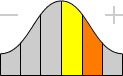
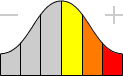
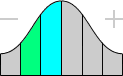
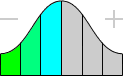
| Weak or unproven link |
| Strong or generally accepted link |
| Proven definite or direct link |
| Strongly counter-indicative |
| Very strongly or absolutely counter-indicative |
Glossary
Antioxidant
A chemical compound that slows or prevents oxygen from reacting with other compounds. Some antioxidants have been shown to have cancer-protecting potential because they neutralize free radicals. Examples include vitamins C and E, alpha lipoic acid, beta carotene, the minerals selenium, zinc, and germanium, superoxide dismutase (SOD), coenzyme Q10, catalase, and some amino acids, like cystiene. Other nutrient sources include grape seed extract, curcumin, gingko, green tea, olive leaf, policosanol and pycnogenol.
Free Radical
A free radical is an atom or group of atoms that has at least one unpaired electron. Because another element can easily pick up this free electron and cause a chemical reaction, these free radicals can effect dramatic and destructive changes in the body. Free radicals are activated in heated and rancid oils and by radiation in the atmosphere, among other things.
Atherosclerosis
Common form of arteriosclerosis associated with the formation of atheromas which are deposits of yellow plaques containing cholesterol, lipids, and lipophages within the intima and inner media of arteries. This results in a narrowing of the arteries, which reduces the blood and oxygen flow to the heart and brain as well as to other parts of the body and can lead to a heart attack, stroke, or loss of function or gangrene of other tissues.
Cancer
Refers to the various types of malignant neoplasms that contain cells growing out of control and invading adjacent tissues, which may metastasize to distant tissues.
Arthritis
Inflammation of a joint, usually accompanied by pain, swelling, and stiffness, and resulting from infection, trauma, degenerative changes, metabolic disturbances, or other causes. It occurs in various forms, such as bacterial arthritis, osteoarthritis, or rheumatoid arthritis. Osteoarthritis, the most common form, is characterized by a gradual loss of cartilage and often an overgrowth of bone at the joints.
Aerobic
Using oxygen. For example, aerobic exercises such as running, swimming, bicycling or playing tennis use up lots of oxygen and burn up lots of calories and fat.
Metabolism
The chemical processes of living cells in which energy is produced in order to replace and repair tissues and maintain a healthy body. Responsible for the production of energy, biosynthesis of important substances, and degradation of various compounds.
White Blood Cell
(WBC): A blood cell that does not contain hemoglobin: a blood corpuscle responsible for maintaining the body's immune surveillance system against invasion by foreign substances such as viruses or bacteria. White cells become specifically programmed against foreign invaders and work to inactivate and rid the body of a foreign substance. Also known as a leukocyte.
Bacteria
Microscopic germs. Some bacteria are "harmful" and can cause disease, while other "friendly" bacteria protect the body from harmful invading organisms.
Virus
Any of a vast group of minute structures composed of a protein coat and a core of DNA and/or RNA that reproduces in the cells of the infected host. Capable of infecting all animals and plants, causing devastating disease in immunocompromised individuals. Viruses are not affected by antibiotics, and are completely dependent upon the cells of the infected host for the ability to reproduce.
Protein
Compounds composed of hydrogen, oxygen, and nitrogen present in the body and in foods that form complex combinations of amino acids. Protein is essential for life and is used for growth and repair. Foods that supply the body with protein include animal products, grains, legumes, and vegetables. Proteins from animal sources contain the essential amino acids. Proteins are changed to amino acids in the body.
Antigen
A substance, usually protein or protein-sugar complex in nature, which, being foreign to the bloodstream or tissues of an animal, stimulates the formation of specific blood serum antibodies and white blood cell activity. Re-exposure to similar antigen will reactivate the white blood cells and antibody programmed against this specific antigen.
Chronic
Usually Chronic illness: Illness extending over a long period of time.
Allergen
A substance that is capable of producing an allergic response in the body.
Cataract
A steadily worsening disease of the eye in which the lens becomes cloudy as a result of the precipitation of proteins. Most cataracts are caused by the functions of the body breaking down. Eye trauma, such as from a puncture wound, may also result in cataracts.
Vitamin E
An essential fat-soluble vitamin. As an antioxidant, helps protect cell membranes, lipoproteins, fats and vitamin A from destructive oxidation. It helps protect red blood cells and is important for the proper function of nerves and muscles. For Vitamin E only, 1mg translates to 1 IU.
Vitamin C
Also known as ascorbic acid, Vitamin C is a water-soluble antioxidant vitamin essential to the body's health. When bound to other nutrients, for example calcium, it would be referred to as "calcium ascorbate". As an antioxidant, it inhibits the formation of nitrosamines (a suspected carcinogen). Vitamin C is important for maintenance of bones, teeth, collagen and blood vessels (capillaries), enhances iron absorption and red blood cell formation, helps in the utilization of carbohydrates and synthesis of fats and proteins, aids in fighting bacterial infections, and interacts with other nutrients. It is present in citrus fruits, tomatoes, berries, potatoes and fresh, green leafy vegetables.
Mitochondrion
Structure inside a cell that is the location of the cell's energy production machinery. (Plural: Mitochondria)
Chronic Fatigue Syndrome
CFS (Chronic Fatigue Syndrome) is a disorder of unknown cause that lasts for prolonged periods and causes extreme and debilitating exhaustion as well as a wide range of other symptoms such as fever, headache, muscle ache and joint pain, often resembling flu and other viral infections. Also known as Chronic Fatigue and Immune Dysfunction Syndrome (CFIDS), Chronic Epstein-Barr Virus (CEBV), Myalgic Encephalomyelitis (ME), "Yuppy Flu" and other names, it is frequently misdiagnosed as hypochondria, psychosomatic illness, or depression, because routine medical tests do not detect any problems.
Fibromyalgia
(FMS): Originally named fibrositis, it is a mysteriously debilitating syndrome that attacks women more often than men. It is not physically damaging to the body in any way, but is characterized by the constant presence of widespread pain that often moves about the body. Fibromyalgia can be so severe that it is often incapacitating.
ROS
Reactive Oxygen Species. Molecules including free radicals and other oxygen species.
Beta-Carotene
The most abundant of the carotenoids, beta-carotene has strong provitamin A activity and is a stronger antioxidant than vitamin A. It is widely accepted today as a cancer preventative. It is found in leafy green and yellow vegetables, often missing in children's diets. Beta-Carotene is believed to be a superior source of Vitamin A because it is readily converted into a more active form of the substance: your body converts it to Vitamin A as needed.
Vitamin A
A fat-soluble vitamin essential to one's health. Plays an important part in the growth and repair of body tissue, protects epithelial tissue, helps maintain the skin and is necessary for night vision. It is also necessary for normal growth and formation of bones and teeth. For Vitamin A only, 1mg translates to 833 IU.
Mineral
Plays a vital role in regulating many body functions. They act as catalysts in nerve response, muscle contraction and the metabolism of nutrients in foods. They regulate electrolyte balance and hormonal production, and they strengthen skeletal structures.
Fatty Acids
Chemical chains of carbon, hydrogen, and oxygen atoms that are part of a fat (lipid) and are the major component of triglycerides. Depending on the number and arrangement of these atoms, fatty acids are classified as either saturated, polyunsaturated, or monounsaturated. They are nutritional substances found in nature which include cholesterol, prostaglandins, and stearic, palmitic, linoleic, linolenic, eicosapentanoic (EPA), and decohexanoic acids. Important nutritional lipids include lecithin, choline, gamma-linoleic acid, and inositol.
Pulmonary
Pertaining to the lungs.
Asthma
A lung disorder marked by attacks of breathing difficulty, wheezing, coughing, and thick mucus coming from the lungs. The episodes may be triggered by breathing foreign substances (allergens) or pollutants, infection, vigorous exercise, or emotional stress.
Low-Density Lipoprotein
(LDL): Also known as "bad" cholesterol, LDLs are large, dense, protein-fat particles composed of a moderate proportion of protein and a high proportion of cholesterol. Higher levels of LDLs are associated with a greater risk of cardiovascular disease.
HIV
Abbreviation for human immunodeficiency virus, a retrovirus associated with onset of advanced immunodeficiency syndrome (AIDS).
Glutathione
A natural sulfur-bearing peptide formed from the linking of three amino acids: glutamic acid, cysteine and glycine. Glutathione acts as an antioxidant and detoxicant and is involved with the selenium-containing enzyme glutathione peroxidase. Glutathione is also involved in amino acid transport across cell membranes.
Enzymes
Specific protein catalysts produced by the cells that are crucial in chemical reactions and in building up or synthesizing most compounds in the body. Each enzyme performs a specific function without itself being consumed. For example, the digestive enzyme amylase acts on carbohydrates in foods to break them down.
Acute
An illness or symptom of sudden onset, which generally has a short duration.
Pancreatitis
Inflammation of the pancreas. Symptoms begin as those of acute pancreatitis: a gradual or sudden severe pain in the center part of the upper abdomen goes through to the back, perhaps becoming worse when eating and building to a persistent pain; nausea and vomiting; fever; jaundice (yellowing of the skin); shock; weight loss; symptoms of diabetes mellitus. Chronic pancreatitis occurs when the symptoms of acute pancreatitis continue to recur.
Hemoglobin
The oxygen-carrying protein of the blood found in red blood cells.
Selenium
An essential element involved primarily in enzymes that are antioxidants. Three selenium- containing enzymes are antioxidant peroxidases and a fourth selenium-containing enzyme is involved in thyroid hormone production. The prostate contains a selenium-containing protein and semen contains relatively large amounts of selenium. Clinical studies show that selenium is important in lowering the risk of several types of cancers. In combination with Vitamin E, selenium aids the production of antibodies and helps maintain a healthy heart. It also aids in the function of the pancreas, provides elasticity to tissues and helps cells defend themselves against damage from oxidation.
Glutathione Peroxidase
A family of antioxidant enzymes containing selenium which are important in the reduction of different hydroperoxides, including hydrogen peroxide which is involved in the irritation of the gastrointestinal tract and increase in perspiration.
Copper
An essential mineral that is a component of several important enzymes in the body and is essential to good health. Copper is found in all body tissues. Copper deficiency leads to a variety of abnormalities, including anemia, skeletal defects, degeneration of the nervous system, reproductive failure, pronounced cardiovascular lesions, elevated blood cholesterol, impaired immunity and defects in the pigmentation and structure of hair. Copper is involved in iron incorporation into hemoglobin. It is also involved with vitamin C in the formation of collagen and the proper functioning in central nervous system. More than a dozen enzymes have been found to contain copper. The best studied are superoxide dismutase (SOD), cytochrome C oxidase, catalase, dopamine hydroxylase, uricase, tryptophan dioxygenase, lecithinase and other monoamine and diamine oxidases.
Diabetes Mellitus
A disease with increased blood glucose levels due to lack or ineffectiveness of insulin. Diabetes is found in two forms; insulin-dependent diabetes (juvenile-onset) and non-insulin-dependent (adult-onset). Symptoms include increased thirst; increased urination; weight loss in spite of increased appetite; fatigue; nausea; vomiting; frequent infections including bladder, vaginal, and skin; blurred vision; impotence in men; bad breath; cessation of menses; diminished skin fullness. Other symptoms include bleeding gums; ear noise/buzzing; diarrhea; depression; confusion.