Atherosclerosis (hardening of the arteries) is the most common form of arteriosclerosis, a class of diseases in which the walls of a person’s artery become thicker and less elastic through deposits along the arteries that often contain calcium.
Fatty material (atheromas or plaque) accumulates under the inner lining of arterial walls, resulting in narrowing and eventual impairment of blood flow. It can affect medium and large arteries in the brain, heart, kidneys, other vital organs, and arms and legs. When it develops in the carotid arteries, atherosclerosis can lead to stroke. In the coronary arteries, it can result in heart attack.
Risk Factors
Male gender, menopause in women, hypertension, elevated levels of low-density lipoprotein (LDL), decreased levels of high-density lipoprotein (HDL), quitting smoking, diabetes, obesity, having a personal or family history of heart disease, sedentary lifestyle, increasing age, high fat or sucrose intake, hyperhomocysteinemia, elevated fibrinogen, CRP and Lp(a) levels, deficiency of Coenzyme Q10 and L-carnitine, air pollution, stress, sleep deficiency, social isolation, high degrees of negative attitudes (such as hostility and cynical distrust), excessive experience of negative emotions (such as depression, anger, and anxiety), and high ratio of free radical markers to antioxidants.
Signs and symptoms
Pain and cramps at the site of the narrowed artery, such as chest pain or leg cramps when walking; a hardened feel, like small, hard pipes, of arteries in forearms or carotid arteries in the neck. Clinical signs and symptoms include aneurysm, thrombosis, embolus, and stenosis; lowered or absent pulses; vascular (blood vessel) bruit (whooshing or blowing sound heard over the artery with a stethoscope); (in more severe cases) muscle atrophy, ulceration, or gangrene.
The disease develops slowly. It shows few symptoms until the arteries have narrowed severely or have actually become obstructed. Nevertheless, atherosclerosis is the leading cause of illness and death in the United States and most other Western countries. It causes about one million deaths per year in the United States alone, double the number of deaths from cancer.
Tests that indicate atherosclerosis (or complications thereof) include:
– an ultrasound of affected area
– a CT scan of affected area
– an arteriography of affected area.
Treatment
To some extent, the body will protect itself by forming new blood vessels (collateral circulation) around the affected area. Follow your health care provider’s recommendations for treatment and control of hypertension, diabetes, and other diseases.
Nutritional supplements can be very effective and counseling strategies and behavioral techniques help patients to manage stress, move toward more positive attitudes, and establish broader, supportive social relationships. There is increasing evidence that elevated levels of homocysteine may be important in the genesis of atherosclerosis and cardio-vascular disease, and that nutrition can be helpful at modifying those levels.
See below for detailed recommendations.
Prognosis
The final outcome varies, but atherosclerosis is usually progressive and frequently leads to complications that include:
– coronary artery disease (atherosclerosis of the coronary arteries)
– deficiency of blood supply due to obstruction (ischemia/angina)
– cardiac arrhythmias and congestive heart failure
– pre-gangrene of the lower limbs
– acute myocardial infarction (heart attack)
– transient ischemic attack (TIA) or stroke
– premature renal failure
– damage to blood vessels, muscles, or body organs.
Signs, symptoms & indicators of Atherosclerosis
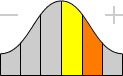
High systolic blood pressure
Pain in chest or left side
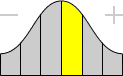
Impatient/hostile disposition
Negative attitudes such as anger, hostility, distrust, depression and anxiety are often contributing factors.
A hard-driving personality
Being highly motivated
A suspicious nature
Leg cramps caused by walking
Conditions that suggest Atherosclerosis
Senile Dementia
Atherosclerosis is a risk factor for reduced circulation in the brain, sometimes called ischemic vascular dementia (IVD).
Lupus, SLE (Systemic Lupus Erythromatosis) / Risk
There is an increased incidence of atherosclerotic heart disease amongst patients with SLE.
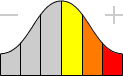
Aneurysm / Weakened Arteries
Hardening of the arteries (atherosclerosis) weakens artery walls and predisposes the damaged portion to enlargement.
Recent onset/medium-term/long-term hypertension
(Moderate) atherosclerosis
Counter Indicators
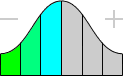
Absence of atherosclerosis
Being postmenopausal
Risk factors for Atherosclerosis
Being overweight as child
Research has revealed that overweight children face the prospect of developing coronary artery disease by the time they reach middle age, considerably earlier than is “normal,” due to their arteries showing striking similarities to heavy smokers.
Doctors discovered through the use of ultrasounds observing children’s blood vessels that their arteries were as thick as those of heavy adult smokers. Based on these findings, a cardiologist placed these children at a high risk of having a heart attack or stroke as early as their 40s or 50s, as opposed to later in their 70s or 80s.
One study revealed that placing these children on healthier diets and routine exercise regimens for just over one year would turn their health around and bring their blood vessels back to normal again. [Yahoo! News April 28, 2004]
Platelet Aggregation Risk
Excessive platelet aggregation has been linked with the development of atherosclerosis and other cardiovascular conditions.
Excess Sugar Consumption
Excessive sugar consumption has been linked to elevated triglycerides and may contribute to atherosclerosis, especially in individuals with elevated insulin levels.
Low Fiber Intake
In 573 adults, of whom nearly 1/2 were women, between the ages of 40 and 60, there was a significant inverse association seen between intima-media thickness progression of the common carotid arteries and the intake of water-soluble fiber (viscous fiber), which includes pectin, gums and mucilage. [Am J Clin Nutr. 2003;78: pp.1085-1091]
Cigarette Smoke Damage
Tobacco smoke contains more than 4,000 chemicals, more than 50 of which have been identified as carcinogens. These chemicals are extremely damaging to the cardiovascular system. Specifically, these chemicals are carried in the bloodstream on LDL cholesterol, where they either damage the lining of the arteries directly or they damage the LDL molecule which then damages the arteries. High cholesterol levels compound the risks.
It’s well known that smoking cigarettes increases risk for a host of serious health problems from cancer to heart disease. Now a new study from Weill Cornell Medical College in New York City looks (Sept 12, 2007) at how they do their dirty work by contributing to atherosclerosis, or hardening of the arteries. The evidence points to nicotine, the addictive chemical in cigarettes.
By comparing reduced-nicotine cigarettes like Quest 3 and Eclipse with regular cigarettes, researchers discovered that the extent of cigarette-smoke induced atherosclerosis in mice correlated with the levels of nicotine — the higher the nicotine, the more disease.
“Right now, the general consensus is that the problem with cigarettes is tar and that nicotine is safe. That’s why you can buy nicotine gum or patches to help you stop smoking. Our study presents new evidence that nicotine may not be safe at all, especially for your heart,” says Dr. Daniel F. Catanzaro, principal investigator of the study, recently published in the journal Cardiovascular Toxicology. Dr. Catanzaro is associate research professor of physiology and biophysics in the Departments of Medicine and Cardiothoracic Surgery at Weill Cornell Medical College.
Heart attack(s) in mother
Heart disease in family members
Heart attack(s) in father
Low Estrogen Levels
Low estrogen levels raise LDL-C (bad) cholesterol, while lowering HDL (good) cholesterol, both of which contribute to atherosclerosis. Supplemental estrogen reduces this risk, at least partially by increasing the HDL particle size which confers some protection against heart disease.
Low Testosterone Level
Researchers at Columbia University Medical School found that serum testosterone levels were about 90ng/dl lower in patients who had suffered myocardial infarctions (MI) than in those who had not. These results suggest that low testosterone levels predispose men to MI and are lower in men with severe coronary artery atherosclerotic disease than in controls.
Low DHEA Level
Although there is some conflicting evidence, many researchers conclude that maintaining normal levels of DHEA provides some protection against atherosclerosis.
Elevated LDL/HDL Ratio
LDL is the cholesterol type most commonly thought of as a strong risk factor for atherosclerosis and heart disease. Oxidized LDL and the fraction called Lp-a produce a greater risk. Since HDL cholesterol reduces the risk, low HDL levels are not desirable.
Elevated Homocysteine Levels
Multiple studies indicate that 15-30% percent of patients with premature occlusive vascular disease have moderately elevated total plasma homocysteine concentrations. [ JAMA 1992; 268: pp.877-81]
(Highly) elevated CRP level
(Very) low HDL level
(Borderline) high LDL
Counter Indicators
Optimal (?) LDL
Excellent HDL level
Absence of aerobic exercise or exercising aerobically somewhat
Counter Indicators
Exercising aerobically frequently or exercising aerobically moderately
Stress
Circulation, the journal of the American Heart Association, reports on a study that has correlated the degree of carotid arterial atherosclerosis with exaggerated response to mental stress in men under the age of 55. Patients whose blood pressure responses to stressful situations were the strongest were found to have significantly more advanced atherosclerosis in the carotid arteries than those whose blood pressure responses were less salient.
Although researchers are careful not to say that stress causes atherosclerosis, the evidence clearly points to cardiovascular reactivity to stress as an atherosclerotic risk factor of the same magnitude as smoking, hypertension, insulin resistance, and elevated cholesterol levels. The hypothesis is that, “Frequent and prolonged periods of elevated blood pressure during mental stress may promote mechanical injury to the endothelial lining or cause release of hormones that can promote the build up of plaque.” [Circulation Vol. 96, No. 11: pp. 3842-3848]
Moscow scientists stated in October, 2000 that they have shown atherosclerotic plaques in blood vessels are formed because of adrenaline, a hormone that releases during stress.
Depression
Depression is emerging as a risk factor for heart disease. A study of 688 women showed that depression and anger are associated with hardening of the arteries in women, in part through physical and behavioral risk factors such as bad cholesterol levels, obesity and smoking. [Psychosomatic Medicine, March/April 2001]
Anxiety
Researchers conclude that chronically high levels of anxiety are a risk factor for the progression of atherosclerosis, especially in men. [Arterioscler Thromb Vasc Biol 2001; 21: pp.136-141]
Nephrotic Syndrome (NS)
Complications that can arise during treatment for NS include atherosclerosis “hardening of the arteries” and adverse reaction to medications such as steroids.
Vitamin K Requirement
A study of 600 men aged 50-70, found those with a poor vitamin K status had a significantly higher coronary calcium score, indicating an increased risk of atherosclerosis. [Family Practice News, January 1, 2002;32(l): pp. 1-2]
Manganese Requirement
Manganese strengthens arterial tissues, making them more resistant to plaque formation.
Magnesium Requirement
Experimental studies have demonstrated a correlation between magnesium deficiency and atherosclerosis, but without any clear evidence to determine the mechanisms involved. Magnesium deficiency may affect the atherosclerosis process through several different mechanisms.
EFA (Essential Fatty Acid) Type 3 Requirement
While there has been much emphasis on low fat diets, there are some intriguing studies that show that a low fat diet may actually increase LDLs and that it may be more important to alter the fats in the diet, decreasing saturated fats and trans fatty acids, and replacing them with poly- and mono-unsaturated fats. Hydrogenated oils are at least, if not more, atherogenic than saturated fats.
Antioxidant Need/Oxidative Stress w/o Supplements
High-potency antioxidant supplements can reduce atherosclerosis in humans. A study involving 11,178 elderly people over a 9 year period showed that the use of the antioxidant vitamin E reduced the risk of death from all causes by 34%. This effect was strongest for coronary artery disease, where vitamin E reduced death from heart attack by 63%. [American Journal of Clinical Nutrition, Aug. 1996]
Past multiple vitamin supplement use
Absence of supplemental vitamin E
Counter Indicators
High/moderate dose vitamin E use
Vitamin C supplementation
Multiple vitamin supplement use
Probable atherosclerosis
Counter Indicators
Probable atherosclerosis
Using chlorinated water
There has been more than a coincidental link between the use of chlorinated water and the development of atherosclerosis. This proposed link results from the consumption of chlorinated water and cow’s milk. While this will remain controversial until clearly proven or disproven, it would be wise to avoid chlorine exposure and/or cow’s milk, especially in individuals at risk for atherosclerosis and heart disease.
Air pollution exposure
(High) hydrogenated fat consumption
Counter Indicators
Moderate/high fruit/vegetable consumption
Intake of fruits, berries and vegetables may reduce cardiovascular disease risk through the beneficial combination of antioxidants, fiber, potassium, magnesium and other phytochemicals. A study looked at the association of the dietary intake of fruits, berries and vegetables with early atherosclerosis, manifested as increased intima-media thickness of the common carotid artery wall (CCA-IMT). The data show that a high fruit, berry and vegetable intake is associated with significantly reduced risk of mortality and IMT thickness in middle-aged Finnish men. Consequently, the findings of this work indicate that diet dominated by plant-derived foods can promote longevity and good cardiovascular health. [Journal of Nutrition 2003;133: pp.199-204]
(Partial) vegetarian diet or raw food/vegan diet
The vegetarian diet promotes stabilization or possible reversal of the atherogenic process.
Poorly controlled diabetes
Reasonably controlled diabetes
Small social support group size or no social support group
Atherosclerosis suggests the following may be present
Lupus, SLE (Systemic Lupus Erythromatosis) / Risk
There is an increased incidence of atherosclerotic heart disease amongst patients with SLE.
Cigarette Smoke Damage
Tobacco smoke contains more than 4,000 chemicals, more than 50 of which have been identified as carcinogens. These chemicals are extremely damaging to the cardiovascular system. Specifically, these chemicals are carried in the bloodstream on LDL cholesterol, where they either damage the lining of the arteries directly or they damage the LDL molecule which then damages the arteries. High cholesterol levels compound the risks.
It’s well known that smoking cigarettes increases risk for a host of serious health problems from cancer to heart disease. Now a new study from Weill Cornell Medical College in New York City looks (Sept 12, 2007) at how they do their dirty work by contributing to atherosclerosis, or hardening of the arteries. The evidence points to nicotine, the addictive chemical in cigarettes.
By comparing reduced-nicotine cigarettes like Quest 3 and Eclipse with regular cigarettes, researchers discovered that the extent of cigarette-smoke induced atherosclerosis in mice correlated with the levels of nicotine — the higher the nicotine, the more disease.
“Right now, the general consensus is that the problem with cigarettes is tar and that nicotine is safe. That’s why you can buy nicotine gum or patches to help you stop smoking. Our study presents new evidence that nicotine may not be safe at all, especially for your heart,” says Dr. Daniel F. Catanzaro, principal investigator of the study, recently published in the journal Cardiovascular Toxicology. Dr. Catanzaro is associate research professor of physiology and biophysics in the Departments of Medicine and Cardiothoracic Surgery at Weill Cornell Medical College.
Low Estrogen Levels
Low estrogen levels raise LDL-C (bad) cholesterol, while lowering HDL (good) cholesterol, both of which contribute to atherosclerosis. Supplemental estrogen reduces this risk, at least partially by increasing the HDL particle size which confers some protection against heart disease.
Nephrotic Syndrome (NS)
Complications that can arise during treatment for NS include atherosclerosis “hardening of the arteries” and adverse reaction to medications such as steroids.
Recommendations for Atherosclerosis

L-Carnitine
Dosage: 750 to 1,500mg bid. Important in fatty acid metabolism, depleted in cardiac muscle during acute infarctions.
Hawthorn (Crataegus oxycantha)
Hawthorn is particularly recommended. Proanthocyanadins stabilize collagen to prevent cholesterol deposits on arterial walls, prevent free radical damage, reduce peripheral vascular resistance, angina, cholesterol, and increase coronary and myocardial perfusion; hawthorn has a historic use in congestive heart failure; dosage 3 to 5gm as either dried herb, solid extract, or liquid extract.
Ginkgo (250mg tid) is also recommended. Concentrated extracts may be required to achieve the recommended doses. In addition, a tincture (30 to 60 drops tid) or tea (1 cup tid) of one to four of the suggested herbs, taken before meals, may be helpful.
Garlic
A mechanism by which atherosclerotic plaque accumulates on the walls of arteries is the oxidation of LDL cholesterol. Garlic has been shown in repeated studies to protect against LDL cholesterol oxidation and oxidation in the linings of the arteries themselves. Garlic, ginger and onions all have a beneficial effect on platelet aggregation which reduces the tendency to form clots too easily, thus preventing the blockage of narrowed arteries.

Chelation Therapy
One product which contains EDTA and can be taken orally is calledMedFive.

Hydrogenated Fats / Trans Fatty Acids Avoidance
Dietary trans-fats cause hardening of the arteries. A mouse study suggests that high levels of trans-fats cause atherosclerosis by reducing the responsiveness of transforming growth factor (TGF)-beta. This protein controls growth and differentiation in cells. The findings of this study reinforce research that has linked the predominantly man-made fat with a range of health problems.
“Trans-fats are attractive for the food industry due to their extended shelf life and flavor stability, and have displaced natural solid fats and liquid oils in many areas of food processing.”
” . . . trans-fatty acids raise serum levels of LDL-cholesterol, reduce levels of HDL-cholesterol, can promote inflammation can cause endothelial dysfunction, and influence other risk factors for cardiovascular diseases (CVD) . . .” [The Journal of Nutritional Biochemistry October 30, 2010]
Increased Fruit/Vegetable Consumption
A diet high in fiber helps prevent coronary heart disease. Eating fruits high in the soluble fiber pectin has also been linked with reduced cholesterol levels, which protects against atherosclerosis.
Dairy Products Avoidance
There has been more than a coincidental link between the use of chlorinated water and the development of atherosclerosis. This proposed link results from the consumption of chlorinated water and cow’s milk. While this will remain controversial until clearly proven or disproven, it would be wise to avoid chlorine exposure and/or drinking cow’s milk, especially in individuals at risk for atherosclerosis and heart disease.
Low Fat Diet
There is a wide range of studies from different cultures indicating that a diet high in saturated fat is not related to the development of atherosclerosis. In many of these studies, the greater the fat intake, the longer they lived.
Bromelain
Dosage: 150 to 250mg qid away from meals. Inhibits platelet aggregation and breaks down plaque.
Beta 1,3 Glucan
Beta-1,3-glucan can be added to the diet whether one is taking cholesterol-reducing drugs or not. Macrophage activation will not only help to draw extra cholesterol from the blood but it also can prevent further plaque formation on the arterial walls and phagocytize existing plaque which is recognized as a foreign body.
Fibrinolytic Enzymes
Excessive plaque results in partial or complete blockage of the blood’s flow through an artery, resulting in arteriosclerosis, or hardening of the arteries, and an ensuing stroke or heart attack. The evidence to support serrapeptase’s role in preventing plaque build-up is anecdotal, but Hans Nieper’s research has indicated that the protein-dissolving action of serrapeptase will gradually break down atherosclerotic plaques.
Aerobic Exercise
Regular aerobic exercise lowers fibrinogen levels – a risk factor for atherosclerosis of equal or greater predictive value than cholesterol. Additionally, exercise improves the production of nitric oxide within the blood vessel wall, which should limit the progression of atherosclerosis. Exercise improves the fitness of the heart as well as circulation.
Tobacco Avoidance
Even damage from a history of heavy smoking can be reversed by quitting. The longer the period of time that passes after quitting, the greater the return toward normal vascular health.
Magnesium
Magnesium is helpful in preventing blood vessel calcification (and thereby atherosclerosis). A daily dose of 50mg of vitamin B6 and 200-300mg of magnesium is often given. Generally though, magnesium doses should be higher than this.
Selenium
Dosage: 200mcg per day.
Chromium
Dosage: 200mcg/day. Often deficient in atherosclerosis, supplementation may result in plaque regression.
Alpha Lipoic Acid
Recycles vitamins E and C when they’ve been used. Dosage: 50mg bid.
Lycopene
Lycopene has been used in connection with the prevention (only) of Atherosclerosis.
Calming / Stretching Exercises
Mind/body techniques, such as yoga, meditation, relaxation, and biofeedback show promise in increasing cardiovascular health.
Stress Management
Cardiovascular risk factors that most highly predicted carotid artery wall thickness scores were holding anger in, being self-aware and having hostile attitudes.
Vitamin E
A higher dietary intake of vitamin E but not vitamin A, vitamin C or carotenoids, was associated with less development of preclinical carotid atherosclerosis in a study of 310 women. [Am J Clin Nutr 2002;76(3): pp.582-587] The recommended dosage is at least 400IU per day.
In another study, supplementation with vitamin C (500mg per day) or vitamin E (alpha-tocopherol 400IU per day) did reduce lipid peroxidation in a study of non-smoking adults. Supplementation with a combination of vitamin C and vitamin E conferred no benefit beyond that of either vitamin alone. [Am J Clin Nutr 2002;76(3): pp.549-555]
Vitamin Folic Acid
For improved homocysteine metabolism, folic acid (800mcg per day), B6 (50mg per day), B12 (400mg per day), betaine (200 to 1,000mg per day are recommended.
Key
| Weak or unproven link |
| Strong or generally accepted link |
| Proven definite or direct link |
| Weakly counter-indicative |
| Strongly counter-indicative |
| Very strongly or absolutely counter-indicative |
| May do some good |
| Likely to help |
| Highly recommended |
Glossary
Atherosclerosis
Common form of arteriosclerosis associated with the formation of atheromas which are deposits of yellow plaques containing cholesterol, lipids, and lipophages within the intima and inner media of arteries. This results in a narrowing of the arteries, which reduces the blood and oxygen flow to the heart and brain as well as to other parts of the body and can lead to a heart attack, stroke, or loss of function or gangrene of other tissues.
Arteriosclerosis
A common arterial disorder. Characterized by calcified yellowish plaques, lipids, and cellular debris in the inner layers of the walls of large and medium-sized arteries.
Calcium
The body's most abundant mineral. Its primary function is to help build and maintain bones and teeth. Calcium is also important to heart health, nerves, muscles and skin. Calcium helps control blood acid-alkaline balance, plays a role in cell division, muscle growth and iron utilization, activates certain enzymes, and helps transport nutrients through cell membranes. Calcium also forms a cellular cement called ground substance that helps hold cells and tissues together.
Stroke
A sudden loss of brain function caused by a blockage or rupture of a blood vessel that supplies the brain, characterized by loss of muscular control, complete or partial loss of sensation or consciousness, dizziness, slurred speech, or other symptoms that vary with the extent and severity of the damage to the brain. The most common manifestation is some degree of paralysis, but small strokes may occur without symptoms. Usually caused by arteriosclerosis, it often results in brain damage.
Menopause
The cessation of menstruation (usually not official until 12 months have passed without periods), occurring at the average age of 52. As commonly used, the word denotes the time of a woman's life, usually between the ages of 45 and 54, when periods cease and any symptoms of low estrogen levels persist, including hot flashes, insomnia, anxiety, mood swings, loss of libido and vaginal dryness. When these early menopausal symptoms subside, a woman becomes postmenopausal.
Hypertension
High blood pressure. Hypertension increases the risk of heart attack, stroke, and kidney failure because it adds to the workload of the heart, causing it to enlarge and, over time, to weaken; in addition, it may damage the walls of the arteries.
Low-Density Lipoprotein
(LDL): Also known as "bad" cholesterol, LDLs are large, dense, protein-fat particles composed of a moderate proportion of protein and a high proportion of cholesterol. Higher levels of LDLs are associated with a greater risk of cardiovascular disease.
High-Density Lipoprotein
(HDL): Also known as "good" cholesterol, HDLs are large, dense, protein-fat particles that circulate in the blood picking up already used and unused cholesterol and taking them back to the liver as part of a recycling process. Higher levels of HDLs are associated with a lower risk of cardiovascular disease because the cholesterol is cleared more readily from the blood.
Diabetes Mellitus
A disease with increased blood glucose levels due to lack or ineffectiveness of insulin. Diabetes is found in two forms; insulin-dependent diabetes (juvenile-onset) and non-insulin-dependent (adult-onset). Symptoms include increased thirst; increased urination; weight loss in spite of increased appetite; fatigue; nausea; vomiting; frequent infections including bladder, vaginal, and skin; blurred vision; impotence in men; bad breath; cessation of menses; diminished skin fullness. Other symptoms include bleeding gums; ear noise/buzzing; diarrhea; depression; confusion.
CRP
C-reactive protein. A sensitive measure of inflammation in the body.
Coenzyme
A heat stable molecule that must be associated with another enzyme for the enzyme to perform its function in the body. It is necessary in the utilization of vitamins and minerals.
Anxiety
Apprehension of danger, or dread, accompanied by nervous restlessness, tension, increased heart rate, and shortness of breath unrelated to a clearly identifiable stimulus.
Free Radical
A free radical is an atom or group of atoms that has at least one unpaired electron. Because another element can easily pick up this free electron and cause a chemical reaction, these free radicals can effect dramatic and destructive changes in the body. Free radicals are activated in heated and rancid oils and by radiation in the atmosphere, among other things.
Antioxidant
A chemical compound that slows or prevents oxygen from reacting with other compounds. Some antioxidants have been shown to have cancer-protecting potential because they neutralize free radicals. Examples include vitamins C and E, alpha lipoic acid, beta carotene, the minerals selenium, zinc, and germanium, superoxide dismutase (SOD), coenzyme Q10, catalase, and some amino acids, like cystiene. Other nutrient sources include grape seed extract, curcumin, gingko, green tea, olive leaf, policosanol and pycnogenol.
Aneurysm
Localized enlargement of an artery.
Thrombosis
Formation of blood clots causing vascular obstruction.
Stenosis
(Esophageal, GI tract): Narrowing.
Ulcer
Lesion on the skin or mucous membrane.
Cancer
Refers to the various types of malignant neoplasms that contain cells growing out of control and invading adjacent tissues, which may metastasize to distant tissues.
Ischemia
Localized tissue anemia due to obstruction of the inflow of arterial blood.
Angina
Angina pectoris. Severe, restricting chest pain with sensations of suffocation caused by temporary reduction of oxygen to the heart muscle through narrowed diseased coronary arteries.
Cardiac
Pertaining to the heart, also, pertaining to the stomach area adjacent to the esophagus.
Arrhythmia
A condition caused by variation in the regular rhythm of the heartbeat. Arrhythmias may cause serious conditions such as shock and congestive heart failure, or even death.
Congestive
Pertaining to accumulation of blood or fluid within a vessel or organ.
Acute
An illness or symptom of sudden onset, which generally has a short duration.
Vascular Dementia
Mental incapacity due to inadequate blood flow to the brain.
Cardiovascular
Pertaining to the heart and blood vessels.
Triglyceride
The main form of fat found in foods and the human body. Containing three fatty acids and one unit of glycerol, triglycerides are stored in adipose cells in the body, which, when broken down, release fatty acids into the blood. Triglycerides are fat storage molecules and are the major lipid component of the diet.
Insulin
A hormone secreted by the pancreas in response to elevated blood glucose levels. Insulin stimulates the liver, muscles, and fat cells to remove glucose from the blood for use or storage.
Mucilage
Preparation consisting of a solution in water of the viscous principles of plants; used as a soothing application to mucous membranes.
Cholesterol
A waxy, fat-like substance manufactured in the liver and found in all tissues, it facilitates the transport and absorption of fatty acids. In foods, only animal products contain cholesterol. An excess of cholesterol in the bloodstream can contribute to the development of atherosclerosis.
Estrogen
One of the female sex hormones produced by the ovaries.
Serum
The cell-free fluid of the bloodstream. It appears in a test tube after the blood clots and is often used in expressions relating to the levels of certain compounds in the blood stream.
Testosterone
The principal male sex hormone that induces and maintains the changes that take place in males at puberty. In men, the testicles continue to produce testosterone throughout life, though there is some decline with age. A naturally occurring androgenic hormone.
ng
Nanogram: 0.000000001 or a billionth of a gram.
DHEA
Dehydroepiandrosterone (DHEA) is a steroid produced by the adrenal glands and is the most abundant one found in humans. DHEA may be transformed into testosterone, estrogen or other steroids. It is found in the body as DHEA or in the sulfated form known as DHEA-S. One form is converted into the other as needed.
Hormones
Chemical substances secreted by a variety of body organs that are carried by the bloodstream and usually influence cells some distance from the source of production. Hormones signal certain enzymes to perform their functions and, in this way, regulate such body functions as blood sugar levels, insulin levels, the menstrual cycle, and growth. These can be prescription, over-the-counter, synthetic or natural agents. Examples include adrenal hormones such as corticosteroids and aldosterone; glucagon, growth hormone, insulin, testosterone, estrogens, progestins, progesterone, DHEA, melatonin, and thyroid hormones such as thyroxine and calcitonin.
Steroid
Any of a large number of hormonal substances with a similar basic chemical structure containing a 17-carbon 14-ring system and including the sterols and various hormones and glycosides.
Vitamin K
Helps the blood clot when the body is injured.
Manganese
An essential mineral found in trace amounts in tissues of the body. Adults normally contain an average of 10 to 20mg of manganese in their bodies, most of which is contained in bone, the liver and the kidneys. Manganese is essential to several critical enzymes necessary for energy production, bone and blood formation, nerve function and protein metabolism. It is involved in the metabolism of fats and glucose, the production of cholesterol and it allows the body to use thiamine and Vitamin E. It is also involved in the building and degrading of proteins and nucleic acid, biogenic amine metabolism, which involves the transmitting of nerve impulses.
Magnesium
An essential mineral. The chief function of magnesium is to activate certain enzymes, especially those related to carbohydrate metabolism. Another role is to maintain the electrical potential across nerve and muscle membranes. It is essential for proper heartbeat and nerve transmission. Magnesium controls many cellular functions. It is involved in protein formation, DNA production and function and in the storage and release of energy in ATP. Magnesium is closely related to calcium and phosphorus in body function. The average adult body contains approximately one ounce of magnesium. It is the fifth mineral in abundance within the body--behind calcium, phosphorus, potassium and sodium. Although about 70 percent of the body's magnesium is contained in the teeth and bones, its most important functions are carried out by the remainder which is present in the cells of the soft tissues and in the fluid surrounding those cells.
Saturated Fat
A type of fat that is readily converted to LDL cholesterol and is thought to encourage production of arterial disease. Saturated fats tend to be hard at room temperature. Among saturated fats are animal fats, dairy products, and such vegetable oils as coconut and palm oils.
Fatty Acids
Chemical chains of carbon, hydrogen, and oxygen atoms that are part of a fat (lipid) and are the major component of triglycerides. Depending on the number and arrangement of these atoms, fatty acids are classified as either saturated, polyunsaturated, or monounsaturated. They are nutritional substances found in nature which include cholesterol, prostaglandins, and stearic, palmitic, linoleic, linolenic, eicosapentanoic (EPA), and decohexanoic acids. Important nutritional lipids include lecithin, choline, gamma-linoleic acid, and inositol.
Hydrogenated Fat
Usually containing trans-fatty acids (or simply "trans" fats), hydrogenated fats show up mostly in margarine, shortening and many prepared and processed foods such as cookies, crackers, cakes, potato chips and other deep-fried foods. The best way to spot hydrogenated fats is to read the ingredient lists on foods and identify those listing hydrogenated or "partially" hydrogenated fats.
Vitamin E
An essential fat-soluble vitamin. As an antioxidant, helps protect cell membranes, lipoproteins, fats and vitamin A from destructive oxidation. It helps protect red blood cells and is important for the proper function of nerves and muscles. For Vitamin E only, 1mg translates to 1 IU.
Potassium
A mineral that serves as an electrolyte and is involved in the balance of fluid within the body. Our bodies contain more than twice as much potassium as sodium (typically 9oz versus 4oz). About 98% of total body potassium is inside our cells. Potassium is the principal cation (positive ion) of the fluid within cells and is important in controlling the activity of the heart, muscles, nervous system and just about every cell in the body. Potassium regulates the water balance and acid-base balance in the blood and tissues. Evidence is showing that potassium is also involved in bone calcification. Potassium is a cofactor in many reactions, especially those involving energy production and muscle building.
Phytochemicals
Substances that occur naturally in plants and have been shown in research to possibly prevent or cure disease.