There are two major types of diabetes.
- TYPE 1 Juvenile diabetes or insulin-dependent diabetes mellitus (IDDM) is an autoimmune related disease, usually striking between the ages of 5 and 20 years, in which patients have lost all insulin production.
- TYPE 2 Adult onset or non-insulin dependent diabetes mellitus (NIDDM) represents 90 to 95% of all diabetes, and is caused by a combination of insulin resistance and a relative insulin deficiency. Physical health is key to this syndrome as 80% of sufferers are overweight and physically inactive. This was once thought to be a middle aged disease, but since childhood obesity has been on the rise, cases of Type 2 diabetes are being diagnosed at every age. The majority of Type 2 diabetics are still over 55. A newer classification, Type 1.5, is discussed below.
Early diagnosis is important for this, a disease that is spiraling out of control. Lifestyle options which include weight loss, rigid restrictions of grains, sugars and root vegetables along with one hour of daily aerobic activity seems to control Type 2 diabetes in a majority of people unless they have serious damage in their pancreas or insulin receptors.
Type 1.5 Diabetes
Type 1.5 is one of several names now applied to those who are diagnosed with diabetes as adults, but who do not immediately require insulin for treatment, are often not overweight, and have little or no resistance to insulin. When special lab tests are done, they are found to have antibodies, especially GAD65 antibodies (glutamic acid decarboxylase), that attack their beta cells. This sort of diabetes is sometimes called Slow Onset Type 1 or Latent Autoimmune Diabetes in Adults (LADA). About 15% to 20% of people diagnosed as Type 2 actually have this type. They are often diagnosed as Type 2 because they are older and will initially respond to diabetes medications because they have adequate insulin production. The treatment the person is first put on may be diet, exercise, and standard Type 2 medications.
Since insulin resistance is minimal or nonexistent, medications designed to reduce insulin resistance such as Avandia and Actos are not effective. Other medications that stimulate the pancreas to produce insulin, slow digestion of carbohydrates, or reduce excess glucose production by the liver are often effective in controlling the blood sugar for a few years.
One study done in Bruneck, Italy found that 84% of the people diagnosed as Type 2 had insulin resistance, but the other 16% did not, suggesting these individuals had Type 1.5. Several other studies have shown similar results, and these studies also often show the presence of antibodies characteristic of Type 1 in this group of people diagnosed with Type 2.
A misdiagnosis is easy to make when the person is older and responds well at first to treatment with oral medications. If someone does not clearly fit the model for Type 1, they may be mistakenly placed on oral agents even though limited capacity for insulin production remains. The immune system‘s slower and more selective attack on the beta cells allows these cells to function to a high degree for a few years. On average, insulin is required in half of those with Type 1.5 diabetes within four years of diagnosis, compared to over ten years in those with true Type 2.
Knowing your diabetes type can give you a better understanding of the changes that may occur to you as you age and your disease progresses. For example, if you have had insulin resistant diabetes for several years that has become harder to control on a sulfonylurea medication and your C peptide level, a lab test that measures insulin production, is now low, the addition of insulin will be needed. But if your control is poor and your C peptide is normal, adding another oral agent and paying closer attention to your food and exercise choices may be all that’s needed.
In the late 1990’s, Dr. David Bell, a clinician and researcher in Birmingham, Alabama, wanted to see if he could eliminate insulin use in a group of people with Type 2 diabetes who were already on insulin by using a combination of oral medications. These people often had been put on insulin without first trying oral medications because today’s array of medications were not available when they were diagnosed.
Dr. Bell first tested C peptide levels and chose only those who had normal levels. Of the 130 people with adequate C peptide levels in his study, 100 were able to discontinue insulin use altogether and control their diabetes on various doses of glyburide and metformin. He found that their overall control, measured by their HbA1c levels, was actually better on two oral medications than it had been previously on two daily doses of insulin. Others in the study were able to improve their hemoglobin levels by using glyburide and metformin with a single dose of insulin at dinner or bedtime.
Researchers have determined that the Type 2 patients most likely to control their blood sugars on combination oral agents are those least overweight (BMI of 30 or less), with shortest duration of diabetes, and C peptide levels normal or only slightly low.
As insulin production falls, insulin becomes necessary to maintain control. One clue that people have Type 1.5 rather than Type 2 is their appearance, which is more likely though not always slender and physically fit. They often do not have other signs of Type 2 diabetes, such as the Syndrome X cluster of high TGs, low HDL or high blood pressure. Luckily, in these early stages, diabetes treatment is not significantly different for slow onset Type 1.5s compared to truly insulin resistant Type 2s. The only exception is that drugs designed to increase insulin sensitivity like the glitazones do not work because insulin sensitivity is normal.
One major benefit to this type is that when their blood sugars are controlled, people with Type 1.5 usually do not have the high risk for heart problems more often found with the high cholesterol and blood pressure seen in true Type 2 diabetes.
Type 2 diabetes is a gradual syndrome with the signs of diabetes developing over several years. Although a person may experience excessive urination and thirst, there may be no other apparent diabetic signs. Weight loss and hunger may go unnoticed. For this reason, annual screening for the disease after age 45 is a good idea, especially for anyone who is in a high risk category.
Type 2 Diabetes
Although the pancreatic beta cells of patients with NIDDM usually continue to produce insulin, for some reason the body does not respond to the insulin effectively. Beta cells are the cells of the pancreas that regulate glucose levels in the body by producing insulin. The first step towards type 2 diabetes is insulin resistance, a condition in which the key target tissues for insulin (muscle and fat) do not respond normally to that hormone. Both genetic traits and acquired factors (such as aging, diet and obesity) play a role in the development of insulin resistance. Beta cells compensate for insulin resistance with increased insulin secretion resulting in hyperinsulinemia. In this compensated, insulin resistant state known as impaired glucose tolerance (IGT), blood glucose remains normal throughout most of the day, but may become high after meals.
IGT (insulin resistance) is very common in Western society, afflicting an estimated 20 million individuals in the United States alone. Over time, beta cells are unable to continue to secrete the high levels of insulin needed to maintain normal glucose levels in the face of chronic ingestion of simple sugars and refined carbohydrates. When this occurs, the patient develops elevated blood glucose throughout the day, indicative of type 2 diabetes. Insulin resistance is also found in a variety of other common disease states including hypertension, atherosclerosis, obesity and polycystic ovarian syndrome. In some of these conditions insulin resistance has been shown to be an independent risk factor contributing to the disease and its complications. Progression to type 2 diabetes occurs in approximately 7% of patients with IGT every year. The end result is the same as for insulin dependent diabetes (IDDM) which is an unhealthy buildup of glucose in the blood and an inability of the body to make efficient use of its main source of fuel.
The symptoms of NIDDM develop gradually and are not as noticeable as in IDDM. Symptoms include feeling tired or ill, frequent urination (especially at night), unusual thirst, weight loss, blurred vision, frequent infections, and slow wound healing. Excessively low glucose from too much injected insulin or too little food can cause the affected individual to lose consciousness, experience seizures or even die.
Chronic complications typically take five to ten years to manifest themselves, are generally irreversible and are predominantly caused by sustained high levels of blood glucose. Diabetes is widely recognized as one of the leading causes of death and disability in the United States, and it is associated with long term complications that affect almost every major part of the body. It can lead to blindness, heart disease, strokes, kidney failure, amputations, and nerve damage. Uncontrolled diabetes can complicate pregnancy, and birth defects are more common in babies born to women with diabetes. Due to these complications, the life expectancy of a diabetic is 30 to 50% less than a nondiabetic person from the time he or she is diagnosed. People diagnosed with adult onset diabetes before the age of 40 could expect to die eight years earlier than healthy contemporaries.October, 2008 – New figures released by the Centers for Disease Control and Prevention (CDC) have revealed that the incidence of type 2 diabetes in the US has risen by 90% within just ten years. This is based upon self-reporting, so the incidence should be considered higher as some who have diabetes do not yet know it.
Signs, symptoms & indicators of Diabetes Type II
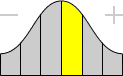
High systolic blood pressure
Blood pressure that is consistently at or above 140/90 is a sign of Type 2 Diabetes.
High diastolic blood pressure
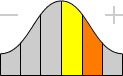
Unexplained nausea
Vision disturbances
High blood sugar can cause two problems which affect vision, namely blurred vision and retinopathy – a disease of the back of the eye. Blurred vision is one of the first signs of elevated blood sugar. The shape and size of the lens in your eye changes when your blood sugar fluctuates. This swelling of the lens can cause blurred vision.
If you notice blurred vision, you should have your blood sugar checked. The acceptable range for fasting glucose is 80-110mg. If your blood sugar is substantially higher or lower than the acceptable range, contact your doctor. When your blood sugar is controlled, your vision will return to its previous state.
Numb/tingling/burning extremities
Conditions that suggest Diabetes Type II
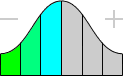
Poor/Slow Wound Healing
People with diabetes often have impaired wound healing. Even a tiny sore may remain unhealed and/or infected for months or even years. In severe cases, overwhelming infection and lack of oxygen and nutrients leads to gangrene.
Cardiomyopathy
People with diabetes have been reported to be at increased risk for being diagnosed with DCM.
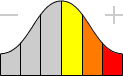
Magnesium Requirement
Hypomagnesemia has been demonstrated in both insulin-dependent and non-insulin-dependent diabetic patients. A low intake of magnesium, which is a common deficiency, has been associated with insulin resistance and diabetes in several studies. Magnesium deficiency in diabetes is most likely the result of increased urinary magnesium losses secondary to chronic glycosuria. However, short-term improvement in glycemic control has not been shown to restore the serum magnesium level. Long-term studies may be needed to resolve this discrepancy.
Glomerular Disease
In both type 1 and type 2 diabetes, the first sign of deteriorating kidney function is the presence of small amounts of albumin in the urine, a condition called microalbuminuria. As kidney function declines, the amount of albumin in the urine increases, and microalbuminuria becomes full-fledged proteinuria.
Fatty Liver
In the case of diabetes mellitus, researchers believe steatohepatitis may develop only in those patients whose diabetes is not properly controlled.
Kidney Failure
Type II diabetes mellitus is the leading cause of chronic kidney failure, accounting for 35% of the new cases each year and 25% of all cases in the U.S.. People with diabetes are at risk for developing anemia because this specific type of kidney damage, known as diabetic nephropathy, can result in a slow but progressive loss of kidney function and a related decrease in red blood cell production.
Of the almost 16 million Americans with diabetes, 10 percent to 21 percent, or, between 1.6 to 3.2 million Americans develop diabetic kidney disease (diabetic nephropathy), with the risk of developing kidney disease increasing with time. What many of these people may not know, is that anemia may be an important warning of this devastating complication.
Intertrigo
Diabetics or anyone with borderline elevated blood sugars may find themselves more prone to developing intertrigo, although you can be perfectly healthy and still have this problem. The condition is a common complication of diabetes.
Having diabetes
Counter Indicators
Absence of diabetes
Erectile Dysfunction (ED, Impotence)
Overall, diabetes is the single most common condition linked with erectile dysfunction and it is estimated that nearly half of men with diabetes have some degree of erectile dysfunction.
Risk factors for Diabetes Type II
Elevated Insulin Levels
Hyperinsulinemia and insulin resistance are both factors that increase the risk of developing type 2 diabetes. Hyperinsulinemia often predates diabetes by several years.
Periodontal Disease - Gingivitis
If you are diabetic, you are at higher risk of developing infections, including periodontal diseases. These infections can in turn impair the body’s ability to process and/or utilize insulin, creating a vicious circle in which your diabetes may be more difficult to control and your infection more severe than in a non-diabetic. [Journal of Periodontology November 1999]
(Slightly) elevated fasting glucose
Having elevated HbA1c
Low C-Peptide level
C-peptide blood levels can indicate whether or not a person is producing insulin and roughly how much.
Insulin is initially synthesized in the form of proinsulin. In this form the alpha and beta chains of active insulin are linked by a third polypeptide chain called the connecting peptide, or c-peptide, for short. Because both insulin and c-peptide molecules are secreted, for every molecule of insulin in the blood, there is one of c-peptide. Therefore, levels of c-peptide in the blood can be measured and used as an indicator of insulin production in those cases where exogenous insulin (from injection) is present and mixed with endogenous insulin (that produced by the body) a situation that would make meaningless a measurement of insulin itself. The c-peptide test can also be used to help assess if high blood glucose is due to reduced insulin production or to reduced glucose intake by the cells.
Low CO2
(Very) low HDL level
Elevated BUN
Counter Indicators
Excellent HDL level
Not having elevated HbA1c
Normal C-Peptide level
Normal fasting glucose
Hemochromatosis (Iron overload)
Iron deposits in the pancreas decrease insulin production which can lead to insulin dependent diabetes mellitus. Hemochromatosis is also called bronze diabetes because those sufferers with diabetes can express a bronze-colored tint to their skin.
Patients with hemochromatosis can also be diagnosed with liver disease, diabetes, heart disease and arthritis without the physician realizing that these diseases are the result of iron-overload. Thus, the hemochromatosis might itself go undiagnosed and untreated.
Manganese Requirement
People with diabetes often have low manganese levels and this deficiency contributes to an inability to process sugars. Supplementation improves glucose management in diabetics. [Nature, 1962; 194: pp.188-89]
Pancreas completely removed
Recent unexplained weight loss
Weight loss can indicate uncontrolled diabetes.
Polycystic Ovary Syndrome (PCOS)
By the age of 40, up to 40% of women with PCOS will have Type II diabetes or impaired glucose tolerance.
Diabetes Type II suggests the following may be present
Manganese Requirement
People with diabetes often have low manganese levels and this deficiency contributes to an inability to process sugars. Supplementation improves glucose management in diabetics. [Nature, 1962; 194: pp.188-89]
Increased Risk of Pancreatic Cancer
There have been a number of reports that have suggested diabetics have an increased risk of developing pancreatic cancer. The reasons for this are not clear.
Diabetes Type II can lead to
Senile Dementia
In a 2011 Japanese study, which included more than 1,000 men and women over age 60, researchers found that people with diabetes were twice as likely as the other study participants to develop Alzheimer’s disease within 15 years. They were also 1.75 times more likely to develop dementia of any kind.
Low Testosterone Level
There are various complications already associated with type 2 diabetes such as eye, kidney and heart problems, but researchers have found another to add to the list: Low testosterone production or hypogonadism, found in men. In fact, one out of three male patients are affected by this condition.
Contrary to what many may think, hypogonadism is not caused by a defect in the testes. Instead, it is due to improper functioning of the pituitary gland (which controls production of testosterone) or in the hypothalamus (the region of the brain that controls the pituitary). Previous studies have linked erectile dysfunction and low testosterone levels in diabetic patients to lower levels of pituitary hormones. Also, a small portion of unbound testosterone in the blood, known as free testosterone, largely determines the amount of testosterone that is available in the tissues.
These findings are particularly important, as hypogonadism has not previously been recognized as a complication of type 2 diabetes. Thus, the high prevalence of patients affected (30 percent) was most certainly unexpected.
In the study, which involved over 100 men with type 2 diabetes, researchers aimed to further investigate the testosterone-related concern in male diabetics. None of the subjects tested had been previously diagnosed with low testosterone levels.
Findings Gathered From the Study
Dupuytren's Contracture
Several associated diseases have been observed, including epilepsy, diabetes, alcohol abuse, heart disease, pulmonary disease as well as cigarette smoking and barbiturate use. It is possible that medications used to treat these diseases may contribute to this connective tissue disorder.
Connective tissue disorders are made worse by diabetes possibly due to reduced insulin receptors on cells of the palmar connective tissue, and by a disturbance of the smallest blood vessels and nerves.
Increased Risk of Alzheimer's / Dementia
According to a study in Neurology, diabetes mellitus may not only damage the function of the eyes, limbs, kidneys, and heart – it may also impair the function of the brain and hasten the process of senile dementia.
Researchers have found that diabetes mellitus nearly doubles the risk of developing both vascular dementia and Alzheimer’s disease, according to a Rotterdam Study that tracked dysglycemia and dementia in over 6,000 individuals over age 55. Diagnosis of diabetes was based on World Health Organization criteria using a glucose tolerance test.
A related editorial called Alzheimer’s a possible “brain-type diabetes.” Besides damaging important blood vessel networks and increasing the risk of small “silent” strokes deep inside the brain, dysglycemia may be directly involved in the development of the neurofibrillary tangles, the clumping of nerves and fiber tissue inside the brain characteristic of Alzheimer’s.
The researchers noted that advanced glycation endproducts (AGE), proteins damaged by chronically high blood sugar levels, are commonly found inside these tangles. “In brains of AD patients the receptor for AGE appears overexpressed,” they noted. “Activation of this receptor leads to increased oxidative stress that may result in cellular damage.”
Diabetes also disrupts insulin-signaling to other cells in the body. This altered signaling may increase the activity of a neuronal enzyme that stimulates phosphorylated tau proteins to build up, a key trigger mechanism cited as one of the earliest signs of Alzheimer’s.
NOTE: This study strongly suggests the important potential role of glycation products and insulin response, not just glucose levels, as being causes of degenerative disease.
A study in Journal of Neuroimaging (July 2007) suggests that cognitively normal adults exhibiting atrophy of their temporal lobe or damage to blood vessels in the brain are more likely to develop Alzheimer’s disease. Older adults showing signs of both conditions were seven-times more likely to develop Alzheimer’s than their peers.
“Alzheimer’s disease, a highly debilitating and ultimately fatal neurological disease, is already associated with other risk factors such as poor cognitive scores, education or health conditions,” says study author Caterina Rosano. “This study, because it focused on healthy, cognitively normal adults, shows that there other risk factors we need to consider.”
MRI images of participants’ brains were examined to identify poor brain circulation, damaged blood vessels and/or atrophy of the medial temporal lobe. Subjects showing any one or a combination of these symptoms were more likely to develop Alzheimer’s in the following years.
“Similarly to heart disease, brain blood vessel damage is more likely to occur in patients with high blood pressure, high cholesterol or diabetes,” says Rosano. “Since we know that prevention of these conditions can lower risk of heart attack and stroke, it is likely that it would also lower the risk of developing Alzheimer’s.”
In a 2011 Japanese study, which included more than 1,000 men and women over age 60, researchers found that people with diabetes were twice as likely as the other study participants to develop Alzheimer’s disease within 15 years. They were also 1.75 times more likely to develop dementia of any kind.
Erectile Dysfunction (ED, Impotence)
Overall, diabetes is the single most common condition linked with erectile dysfunction and it is estimated that nearly half of men with diabetes have some degree of erectile dysfunction.
Recommendations for Diabetes Type II

Taurine
It has been postulated that the equilibrium between the amino acid taurine and inositol gets disturbed by the increasing sorbitol levels caused by hyperglycemia. This means that taurine supplementation is as least as important as inositol supplementation. It required 1.5g/day of supplemental taurine for IDDM subjects to reach the serum taurine levels of non-diabetic control subjects. [Am J Clin Nutr, 1995: 61 (5): pp.1115-19]
Caution is advised until the use of taurine in diabetics has been clearly defined. Use only a doctor’s supervision!
Taurine deficiency is also implicated in the development of diabetic cardiomyopathy. Studies have shown that some animals fed a taurine deficient diet develop a reversible cardiomyopathy. Whereas humans might not be quite that lucky, taurine certainly helps those of them with it. [Jpn Circ J, 1992: 56 (1): pp.95-9]
L-Carnitine
The amino acid L-carnitine improves insulin sensitivity in type 2 diabetes.

Glutamine
Diabetics should exercise caution with supplemental glutamine since they have an abnormal glutamine metabolism. An increased production of glucose from glutamine is probably related to excess levels of glucagon, usually seen in diabetics.
Diabetics also have poor functioning of the retinal glia cells. The diabetic retina is prone to damage through glutamate excitotoxicity, since the glia are not converting enough glutamate to glutamine.
Glandular / Live Cell Therapy
Researchers have found a way of inducing human beta cells, the insulin-producing cells destroyed by diabetes, thus offering hope of new treatments for the disease.
Nathalie Fiaschi-Taesch, Ph.D., and Todd Bigatel, both of the University of Pittsburgh School of Medicine, and colleagues found that human beta cells contain a significant amount of a protein called cdk-6. The researchers then went on to discover that increasing cdk-6 production using a viral vector carrying the cdk-6 gene caused the beta cells to replicate. Further studies showed that it was possible to enhance replication by increasing the production of another molecule called cyclin D1, which is involved in cell cycle control.
Next, the researchers transplanted some of the engineered human beta cells under the outer layer of a kidney in a diabetic mouse. Study results showed that beta cell replication continued and the mouse’s blood sugar levels returned to normal levels. Removing the cells from the mouse caused the mouse to immediately become diabetic again.
“This work provides proof-of-principle that the production of human beta cells can be stimulated, and that the newly generated cells function effectively both in the lab and in a living animal,” said senior author Professor Andrew Stewart. [University of Pittsburgh Schools of the Health Sciences. January 13th 2009]
2009. A study carried out in Brazil and published in the Journal of the American Medical Association, on the use of adult stems cells to treat diabetes, has found that most of the patients in the study group were partially or wholly healed of the disease after receiving injections of stem cells from their own bone marrow.
The procedure, called autologous nonmyeloablative hematopoietic stem cell transplantation (HSCT), was carried out on 15 patients with type 1 diabetes mellitus (DM). The report on the study stated that most of the patients no longer needed insulin injections after the treatment and were still “insulin free with normal levels of glycated hemoglobin A1c (HbA1c) during a mean 18.8-month follow-up.”
“After a mean follow-up of 29.8 months … the majority of patients achieved insulin independence with good glycemic control.”
Fish Oil / Krill
Four grams of fish oil per day reduced triglyceride levels and increased favorable HDL-2a and HDL-2b cholesterol levels in 42 patients with type 2 diabetes. [Diabetes Care 2002;25(10): pp.1704-1708]
However, recent trials suggest that TOO MUCH fish oil could actually worsen diabetic control. In one study, the use of purified EPA and DHA (fatty acids found in fish oil, and made by your body from Omega 3 fats) at 4gm per day over a 6 week period increased the blood sugar in diabetics, without affecting insulin levels. Caution should be exercised regarding consuming TOO MUCH and blood sugar should be monitored closely if using LARGE DOSES of supplemental fish oils. [AJCN, November 2002 Vol. 76, No. 5, pp.1007-1015 ]
CONVENTIONAL DOSES OF FISH OIL SHOULD BE FINE, EVEN IN DIABETICS. The results of a meta-analysis of 18 trials conducted over a 10-year period show that fish oil supplementation for patients with type 2 diabetes lowers triglycerides but has no statistically significant effect on blood sugar control.

Evening Primrose Oil / GLA
It is well documented that the first step in the conversion of the essential fatty acid (EFA) linoleic acid to gamma-linolenic acid (GLA) is broken in diabetics. This is caused by a production deficit of the enzyme delta-6-desaturase. In more severe cases the EFA metabolism is broken in two places, which is caused by a production defict of the delta 5-desaturase enzyme, further down the conversion chain. The result of this broken process is shortage of GLA and its metabolites; prostacyclin and prostaglandins.
A key nutrient to give is gamma-linolenic acid (GLA). If the EFA metabolism is only broken in one place, then GLA supply can resolve the prostacyclin/prostaglandin deficiency problem. GLA makes the red blood cells more deformable, regenerates veins/capillaries and in the long run encourages nerve growth. It takes 8-10 weeks for the EPO to start having an effect.
Gymnena Sylvestre
Gymnena sylvestre has been used for centuries in India to treat diabetes. It is also useful in weight loss regimens. A typical daily dose is 1 teaspoon (5ml) BID of a 1:1 liquid extract or 8-12gm of whole dried herb taken in 2 or 3 divided doses. This amount can result in lowered insulin requirements, so caution is advised if you are using insulin when starting the use of this herb.
Gymnena may help restore pancreatic function over time. Long term use is suggested to achieve the benefits, including lowered glycosylated hemoglobin (HgA1c) levels. One study in rats showed a return to normal fasting levels of glucose after 20 – 60 days of daily use, a rise in insulin levels and an increased number of beta cells in the pancreas. [J Ethnopharmacol 1990;30(3): pp. 281-94]
Herbal Combinations
Liu Wei Di Huang Wan 0r Six Flavor Tea Pill is a formula for many yin deficient diseases and the standard formula for diabetes in China. Many people with diabetes have started taking this while monitoring there insulin levels and gradually needed less and less insulin. Sometimes results are fast, sometimes slow, but there is always seem to be results. Sometimes patients become completely free of taking insulin.
Green / Oolong / BlackTea (Camellia sinensis)
Epigallocatechin gallate (EGCG), a compound found in tea, may reduce the association between high-fructose corn syrup (HFCS) and diabetes, according to researchers from Rutgers University. Stopping the intake of HFCS would be best, but consuming tea does seem to provide a protective effect, if one continues to use HFCS. [Beverage Daily August 28, 2007]
Pomegranate
Atherosclerosis is associated with roughly 80% of all deaths of patients with diabetes. The study – conducted by researchers at the Technion-Israel Institute of Technology – examined the effects of daily consumption of pomegranate juice on the development of atherosclerosis.
The researchers, led by Professor Michael Aviram of the Technion Faculty of Medicine, found that diabetic patients who drank 6 ounces of pomegranate juice every day for 90 days experienced a lower risk of developing atherosclerosis.
The study’s authors concluded that the juice inhibited the uptake of oxidized “bad” LDL cholesterol by immune cells called macrophages – a process that can bring about the development of atherosclerosis.
Though pomegranate juice contains sugars identical to those found in other fruit juices – which can increase blood sugar and exacerbate diabetes – the sugars found in pomegranate juice did not appear to adversely affect the patients, the researchers found.
“In most juices, sugars are present in free – and harmful – forms,” said Aviram. “In pomegranate juice, however, the sugars are attached to unique antioxidants, which actually make these sugars protective against atherosclerosis.”
Though the study was fairly small – consisting of only 20 participants – it was part of a larger study aimed at proving the beneficial effects of pomegranate juice on cardiovascular diseases and the oxidation of cholesterol.
Ginseng, American (Panax quinquefolium)
American ginseng may help control the blood sugar surge that generally occurs after eating. Researchers tested the effects of American ginseng on 10 non-diabetic adults and nine adults with type 2 diabetes. Diabetics experienced a significant reduction (20 percent) in blood glucose two hours after treatments, regardless of whether they took the herb before or during the meal.
Cayenne Pepper (Capsicum frutescens)
Cayenne used topically may benefit diabetic neuropathy. However, using it orally can improve circulation in the extremities and help lower blood sugar – two good reasons for using this seasoning in diabetes. Two to four capsules with meals is recommended.
Cinnamon (Cinnamonum zeylanicum)
A US Department of Agriculture study of 60 type 2 diabetics revealed that one gram of cinnamon taken daily, over a
course of 40 days, improved management of blood sugar levels, as well as triglyceride and cholesterol levels. Some
of the subjects took three grams of cinnamon per day, and others took six grams per day, but none of the subjects in
these two groups showed an increased benefit over the group that took one gram per day. One gram of cinnamon is less than half a teaspoon.
Researchers continued to monitor the study participants after the 40-day trial, and found that the subjects’ overall
blood sugar levels began rising when the cinnamon intake was discontinued.
Cinnamon not only lowers blood glucose levels if you eat if for at least 6 weeks but it keeps lowering your fasting glucose levels for 20 days after that. The cinnamon spice that works is the common form of powder found in every grocery
store and kitchen, and the cinnamon pills but not the cinnamon oil.
Prior to 2003, researchers believed that the active ingredient in cinnamon that lowered blood sugar was a compound called
“methylhydroxychalcone polymer” or MHCP. Predictably, companies rushed to a sell MHCP pills. However, one of the
original cinnamon study’s researchers (Dr. Richard Anerdson of the a US Department of Agriculture affliated lab, conducted a further study in 2004 which showed that MHCP was in fact not the active ingredient producing the beneficial effects on blood sugar. The true active agent that gives cinnamon its power to lower blood sugar and cholesterol is “polyphenol type-A polymer”.
Ginseng, Korean - Chinese / Asian (Panax ginseng)
A blinded trial found that 200mg of Asian ginseng per day improved blood sugar levels in people with type 2 (non-insulin-dependent) diabetes. [Diab Care 1995;18: pp.1373-5]
Mistletoe (Viscum album)
Test tube and animal studies suggest that European Mistletoe extracts can stimulate insulin secretion from pancreas cells, and may improve blood sugar levels in people with diabetes. Given both Mistletoe’s tradition around the world for helping people with diabetes, and these promising pre-clinical results, human clinical trials are certainly needed to establish Mistletoe’s potential for this condition.

Sugars Avoidance / Reduction
No sweets except for fresh fruit should be eaten. Fruit juices and dried fruit should also be limited or avoided.
Processed Foods Avoidance
Many doctors and researchers agree that the regular consumption of tasty, mostly modern, commercially processed foods is the primary cause of adult-onset diabetes. Consuming anything sweet, regardless of its calorific content, may be sending a signal from the mouth to the brain that more insulin is needed. Refined and overly processed foods, convenience foods, and foods that are high in refined carbohydrates, high Glycemic Index foods, excessive salt and other additives should all be avoided for good health.
Weight Loss
80% of diabetics are overweight. Obesity is associated with cellular resistance to insulin, thus more insulin is required to maintain normal sugar levels. Weight loss in even the slightly overweight diabetic is essential, so regular exercise is an important part of the prescription. Both aerobic and weight training or Nautilus-type exercise should be done on a regular basis to keep a very high muscle-to-fat ratio in the body. The goal is to make the body “lean and mean.”
Vegetarian/Vegan Diet
One study found that 21 of 23 patients on oral medications and 13 of 17 patients on insulin were able to get off of their medications after 26 days on a near-vegetarian diet and exercise program.[Am J Clin Nutr 1990; 51(3): pp.416-20] During two- and three-year follow-ups, most diabetics treated with this regimen have retained their gains. [Diabetes Care 1983;6(3):268-73] The dietary changes are simple, but profound, and they work. Low-fat, vegetarian diets are ideal for diabetics.
High/Increased Fiber Diet
Any form of fiber will be beneficial, so choose those that you most easily tolerate. Dietary fiber helps prevent and moderate diabetes through its effects on glucose and, subsequently, insulin levels. A diet high in complex carbohydrates and fiber helps prevent excess blood-sugar levels following meals and increases tissue sensitivity to insulin. This is achieved mainly by slowing the emptying of the stomach and thereby reducing insulin secretion.
When soluble fiber ferments during digestion it produces ‘short chain fatty acids’ that increase the metabolism of glucose and thus may add to the beneficial effects of dietary fiber on diabetes. Guar and other water-soluble fibers in beans, oats, barley, and fruit are important and are present in large quantities in a plant-based diet.
Researchers at Lund University in Sweden have determined that those who eat the certain grains for breakfast have lower, well-regulated blood sugar throughout the day, even up to and beyond dinner.
Here are the right grains someone with diabetes should eat:
1. Whole-grain barley (this grain worked best)
2. Whole grain rye
3. Other whole grains such as oats
Increased Fish Consumption
Eating fish twice a week may help diabetes patients. By Mary Brophy Marcus, USA TODAY November 3, 2008
Centering supper around a fish dish at least twice a week might help people with diabetes lower their risk of kidney disease, a study suggests. In the November issue of the American Journal of Kidney Diseases, British researchers analyzed the records of more than 22,300 middle-aged and older English men and women who were part of a large European cancer study. They wanted to examine the effect of eating fish on kidney disease.
The study subjects had answered questionnaires about their diet habits, including how much fish they ate a week, and had provided urine samples, which were analyzed for the presence of a protein called albumin, an indicator of kidney damage.
The researchers reported that of the 517 study subjects who had diabetes (most of whom had type 2), those who on average ate less than one serving of fish each week were four times more likely to have albumin in their urine than people with diabetes who ate fish twice a week. “Protein in the urine is one of the earliest signs of kidney disease, a serious complication of diabetes,” says study co-author Amanda Adler, an epidemiologist with the Medical Research Council Epidemiology Unit at Addenbrooke’s Hospital in Cambridge.
Adler speculates that the nutrient content of fish may affect kidney function and improve blood glucose control. But what kind of fish makes the biggest health splash wasn’t determined.
“We didn’t ask about the type of fish people ate, but in this bit of England people eat cod, plaice, haddock, canned tuna. Even fish and chips would have been included,” she says.
Susan Spratt, assistant professor of medicine in the division of endocrinology at Duke University Medical Center, says it’s too early to recommend diet changes based on the findings, noting that cause and effect are hard to determine in this type of epidemiological study. “People who eat fish might have other healthier habits,” she says.
To prove fish could be a kidney disease-fighting factor in diabetes, clinical trials would be required in which people with diabetes ate fish and others did not, she says. “But it wouldn’t hurt patients to eat more fish,” says Spratt, who recommends fish oil to lower triglycerides in her diabetes patients who do not respond to or tolerate other therapies.
For dinner, stick with low-fat broiled and baked recipes, she says.
Dairy Products Avoidance
When milk consumption patterns were examined across various nations, there was a very strong correlation with the incidence of insulin-dependent diabetes. It may be that milk proteins cause an autoimmune reaction in which the body mistakenly attacks its own insulin-producing cells.
Low Fat Diet
It is essential that the diabetic avoid concentrated vegetable oils including margarine, olive oil, corn oil, and other fats. Nuts, olives and avocados are also best left out of the diet due to their fat content.
Fat, in general, is a problem for diabetics. The more fat there is in the diet, the harder time insulin has in getting sugar into the cell. Exactly why this occurs is not clear. But what is clear is that minimizing fat intake and reducing body fat help insulin do its job much better. Modern diabetic treatment programs drastically reduce meats, high-fat dairy products, and oils.
Soy Isoflavones (genistein, daidzein)
Although the mechanism of action is not clear, supplementation with soy protein can reduce insulin resistance, fasting insulin, hemoglobin A1c, total and LDL-cholesterol levels. This was confirmed in a study of 32 postmenopausal women with adult onset diabetes. [Diabetes Care 2002;25(10): pp.1709-1714]
Increased Fruit/Vegetable Consumption
Eating carbohydrate-containing foods, including some fruits, temporarily raises blood sugar and insulin levels. On the other hand, a diet rich in the soluble fiber found in fruit may lower the risk of type 2 diabetes, despite the high carbohydrate content of most fruit.
High-fiber supplements, such as pectin from fruit, have been found to improve glucose tolerance in some studies. A review of the research revealed that the extent to which moderate amounts of fiber help people with diabetes in the long term is still unknown, and the lack of many long-term studies has led some researchers to question the importance of fiber in improving diabetes. Nonetheless, most doctors advise people with diabetes to eat a diet high in fiber. Focus should be placed on fruits, vegetables, seeds, oats and whole-grain products.
The diet plan to reverse diabetes and enable patients to eliminate their dependence on drugs is one derived from vegetables, fruits, grains, and legumes. The diabetic, who is even more sensitive to the harmful effects of the modern diet, should take care to consume a natural plant-based diet with an abundance of raw vegetables in the form of large salads every day.
Artificial Sweetener Avoidance
The American Diabetes Association (ADA) is actually recommending this chemical poison to persons with diabetes. According to research conducted by H.J. Roberts, a diabetes specialist, a member of the ADA, and an authority on artificial sweeteners, aspartame:
1) Leads to the precipitation of clinical diabetes.
2) Causes poorer diabetic control in diabetics on insulin or oral drugs.
3) Leads to the aggravation of diabetic complications such as retinopathy, cataracts, neuropathy and gastroparesis.
4) Causes convulsions.
In a statement concerning the use of products containing aspartame by persons with diabetes and hypoglycemia, Roberts says: “Unfortunately, many patients in my practice, and others seen in consultation, developed serious metabolic, neurologic and other complications that could be specifically attributed to using aspartame products. This was evidenced by:
“The loss of diabetic control, the intensification of hypoglycemia, the occurrence of presumed ‘insulin reactions’ (including convulsions) that proved to be aspartame reactions, and the precipitation, aggravation or simulation of diabetic complications (especially impaired vision and neuropathy) while using these products.
“…dramatic improvement of such features after avoiding aspartame, and the prompt predictable recurrence of these problems when the patient resumed aspartame products, knowingly or inadvertently.”
Roberts goes on to say:
“I regret the failure of other physicians and the American Diabetes Association (ADA) to sound appropriate warnings to patients and consumers based on these repeated findings which have been described in my corporate-neutral studies and publications.”

High/Increased Protein Diet
A vegetarian type diet, low in rapidly absorbed carbohydrates, is recommended for those with diabetes.
Conventional Drugs / Information
Many diabetics are able to control their blood sugar levels by natural means alone. When, for whatever reason, this is not possible, insulin use may be needed. The type of insulin and dose will need to be worked out carefully under your doctor’s supervision.
The pharmacokinetics of insulin absorption are influenced by the insulin species, the dose, exercise of the injection site and the interaction of various modified insulin preparations. Human insulin is absorbed more rapidly than animal insulins, however when considering basal insulin requirements, beef and pork insulins have a longer duration of action and for most purposes can be considered peakless when compared with human insulin. Many reports have indicated an increased frequency of hypoglycemia unawareness with human insulin when patients are switched from beef/pork insulins
Metformin (not a type of insulin) is the generic version of Glucophage. Even though it should be chemically identical, many who have tried both find they have less side-effects on the patented form.
If essential fatty acid metabolism is badly broken and the supplementation of GLA (gamma-linolenic acid) will not produce the necessary products in the quantities needed, then also the drug pentoxifylline can be used. Pentoxifylline has a more immediate effect, while EPO (evening primrose oil) is slower, but has a more complete spectrum of effects in managing the fatty acid deficiencies that diabetics suffer from. EPO and pentoxifylline used over a longer time (4 months to 1 year) cause the blood to become thinner – which is not a bad thing for diabetics – but is a bad thing if it is excessive which can lead to bruising and slower wound-healing. Getting the correct balance might require some attention.
2009. Clinical studies demonstrate that SYMLIN, a self-administered injection given prior to meals, helps patients achieve lower blood glucose (sugar) after meals, leading to less fluctuation during the day, and better long-term glucose control (A1C) compared to patients taking insulin alone. In these studies, patients used less mealtime insulin and also had a reduction in body weight compared to patients taking insulin alone. SYMLIN was studied in over 5300 individuals in the clinical program that led to approval by the FDA.
Diabetes is an example of a condition that primarily results from chronically consuming processed foods – the Standard American Diet (SAD). We consume sugars in excess, and because nothing bad happens immediately, think that everything is fine. Insulin resistance, weight gain, and diabetes develop slowly. Even when one generation escapes the consequences, thenext generation will harvest them.
Just like with finances. When spending is out of control, and we spend what we don’t have, we are in effect borrowing from the future. The consequences are only being delayed.
As Moses said, “Be sure your sins will find you out.” And so it is with the insulin-related conditions. The chickens are coming home to roost.
Not only is our uncontrolled desire for sweets driving this, but food manufacturers, competing for our food dollars, want people to chose their product over others, even to the point of promoting addiction. When it is all about profit and pleasure, there are sure to be unwanted consequences.
The medical and pharmaceutical community is also profit motivated. Very often, the ‘solution’ to the problem has nothing to with the cause. This becomes reinforced when we desire a quick fix and aren’t willing to break free from our pattern of poor choices. Thus we have new drugs to solve problems, without addressing the cause.
As an example, look at all the research being done to discover new marketable drugs to solve the problem of insulin resistance. Here is an article from http://www.diabetesselfmanagement.com/Articles/Diabetes-Definitions/incretin-hormone/.
The solution isn’t chemistry, it is choices. Bad choices will always produce bad fruit and good choices will always produce good fruit – eventually.
“A hormone that stimulates insulin secretion in response to meals. The two most important incretin hormones are called glucagon-like peptide-1 (GLP-1) and glucose-dependent insulinotropic polypeptide (GIP). Understanding how these hormones work is helping to yield new treatments for Type 1 and Type 2 diabetes.
The whole concept of incretin hormones comes from a decades-old observation that orally administered glucose provokes a far greater release of insulin than the same amount of glucose delivered by injection. Scientists postulated that there must be some signal from the gastrointestinal tract (or “gut”) that increases insulin release whenever food is consumed. A considerable amount of evidence now suggests that GLP-1 and GIP are responsible for most of this increased insulin release. Furthermore, scientists have also observed that people with Type 2 diabetes have diminished insulin release in response to meals and have speculated that they may have defects in the release or action of their incretin hormones.
GLP-1 is made in the small intestine and colon and is released in response to food. It stimulates insulin secretion in a glucose-dependent manner—that is, it stimulates insulin secretion only when there is glucose in the bloodstream. GLP-1 has other beneficial effects as well: It delays stomach emptying, which slows the absorption of carbohydrate and the resulting rise in blood glucose level after meals; it curbs appetite; and animal studies have shown that it may promote regeneration of the pancreatic beta cells and fight apoptosis (programmed cell death), improving the survival of existing beta cells.
GIP is made by cells in the upper small intestine and is released when glucose comes in contact with these cells. Like GLP-1, GIP affects the pancreatic beta cells, where it stimulates insulin secretion, and also appears to promote beta cell proliferation and beta cell survival.
Naturally, all of these effects have prompted drug companies and medical researchers to create drugs that act like incretin hormones or affect their biochemical pathways. For example, they have discovered a substance in Gila monster venom called exendin-4, which acts similarly to human GLP-1 but is much longer-acting. Amylin Pharmaceuticals and Eli Lilly and Company developed a synthetic version of exendin-4 called exenatide (brand name Byetta), which received marketing approval in April of 2005 as an adjunctive treatment for Type 2 diabetes that is not adequately controlled by metformin, a sulfonylurea drug (such as glyburide, glipizide, or glimepiride), or both. The manufacturers are continuing to study the effects of exenatide in people with diabetes and are testing a new formulation that needs to be injected only once a week instead of twice a day. Novo Nordisk is testing another long-acting GLP-1 analog called liraglutide in people with Type 2 diabetes, and a number of other drug companies also have GLP-1 analogs under development.
The National Institute of Diabetes and Digestive and Kidney Diseases is sponsoring a clinical trial to study the effects of exenatide in people who have had Type 1 diabetes for several years but whose pancreases still make some insulin. The trial is designed to determine whether exenatide can help the pancreas generate new beta cells and make more insulin.
Researchers have tried infusing GIP into people with Type 2 diabetes, with varying results. In some cases, insulin secretion was increased, but in others, little or no extra insulin was secreted at all.
Other experimental drugs called DPP-IV inhibitors also affect incretin hormone levels. Dipeptidyl peptidase IV (or DPP-IV) is an enzyme that normally breaks down GLP-1 and GIP. A number of pharmaceutical companies are working on DPP-IV inhibitors, which block the action of this enzyme and therefore leave more of the bodyís own GLP-1 and GIP in circulation. DPP-IV inhibitors have been shown to improve blood glucose control, enhance the insulin secretory response, and increase insulin sensitivity in animal and human studies. In rats with chemically induced diabetes (a model of Type 1 diabetes), DPP-IV inhibitors increased the number of pancreatic islets and beta cells. More, longer-term studies of DPP-IV inhibitors in humans are now under way.”
Beta 1,3 Glucan
Research has demonstrated the anti-diabetic effect of IL-1 cytokine, which increases insulin production resulting in lowering of blood glucose level. Macrophages are the main source of IL-1 in the body and it’s production can be boosted by beta-1,3-glucan supplementation. The high rate of atherosclerosis and the additional requirement for antioxidants in diabetic patients, makes supplemental beta-1,3-glucan an obvious choice.
Aerobic Exercise
Aerobic exercise reduces the risk of diabetes and improves the diabetic condition through several different mechanisms.
Tobacco Avoidance
Diabetics should control blood sugar and blood pressure closely and should refrain from smoking.
Tests, General Diagnostic
Determination of hemoglobin A1c is valuable for the follow-up of diabetic patients and useful for measuring a diabetic tendency. While blood glucose monitoring is like a snapshot, hemoglobin A1c testing is more like a full length movie – it provides a view of how your blood glucose level has been doing over a period of two to three months. For people who have not undergone any major changes in their lifestyle or diabetes regimen, hemoglobin A1c tests provide a good assessment of long-term blood glucose control.
For monitoring diabetes, a satisfactory interval for test taking is every third month. It has been shown that well controlled diabetics have a lower incidence of complications. Since costs for treatment of diabetics are high, hemoglobin A1c testing is very cost effective.
Chromium
This is the most important micronutrient in helping to stabilize blood sugar level. Chromium affect cellular absorption and makes a more effective use of the insulin, but it does not increase the panceas’ production of insulin. It has its greatest effect on type 2 diabetes.
Chromium picolinate at 5000mcg per day over a 3 month period reduced fasting and 2-hour glucose levels as well as reducing insulin requirements in a study of 136 patients with adult-onset diabetes. [Reported at the American Diabetes Association Meeting, June 14-18, 2002. San Francisco, California]
Six months of treatment with chromium picolinate (500 or 1000mcg per day) reduced hemoglobin A1C (HbA1C) and improved lipid profiles in a well-controlled study of 52 patients with type 2 diabetes and HbA1C greater than 8% despite insulin requirements of greater than 50 units/d. Chromium had no effect on insulin requirements. [Effects of chromium treatment in patients with poorly controlled, insulin-treated Type 2 diabetes mellitus. 18th International Diabetes Federation Congress, Paris, August 24-29, 2003]
Multiple Mineral Supplementation
See the link between Diabetes and Multiple Vitamin Supplement.
Reading List
In his latest book, The Diabetes Improvement Program: A Doctor’s Handbook for Using Foods and Supplements to Slow and Reverse the Complications of Diabetes, Dr. Patrick Quillin shows you how to use 10 super foods to conquer diabetes naturally…without the use of drugs or needles. With his 7-step program, you too can feel better in just three weeks.
You’ll learn how to:
Alpha Lipoic Acid
Numerous additional studies have indicated that ALA is useful for the treatment of diabetes mellitus. It stimulates increased glucose utilization in muscle cells and significantly reduces human insulin resistance.
600mg of alpha lipoic acid tid was found to improve polyneuropathy symptoms in patients with type II diabetes. A maintenance dose as low as 100mg tid may be sufficient to provide benefits. [Diabet Med 1999;16; pp.1040-1043]
Inositol
Diabetics over-excrete the vitamin inositol, and they therefore have a general shortage of this. It plays a role in the fat metabolism, and may protect nerve fibers from excess glucose.
CoQ10 (Ubiquin-one/ol)
Three months of CoQ10 at 100mg bid reduced blood pressure and glycated HbA1c in a well-controlled study of 74 patients with uncomplicated Type 2 diabetes and lipid abnormalities. [Eur J Clin Nutr 2002;56(11): pp.1137-42]
Vitamin C (Ascorbic Acid)
Dr. Fred Klenner, MD has used large amounts of Vitamin C for many ailments, and says that diabetics are so deficient they should be considered as having scurvy. Ten grams per day, according to Dr. Klenner, cures many diabetics and enhances their well being in other cases.
Vitamin C (1000mg per day) and vitamin E (400IU per day) reduced tear nitrite levels, and improved tear function measures in a study of 50 patients with non-insulin dependent diabetes. [ Br J Ophthalmol 2002;86(12): pp.1369-73]
Vitamin B1 (Thiamine)
Study results suggest that taking a high-dose vitamin B1 supplement each day may help diabetics reduce their risk of kidney damage.
Diabetic nephropathy, or kidney disease, is a common complication of type 2 diabetes. An early indicator of kidney disease is microalbuminuria, where the kidney leaks albumin into the urine. Researchers set out to investigate whether supplementation with vitamin B1 would effect microalbuminuria.
Type 2 diabetics were given 300 milligrams of vitamin B1 (thiamine) each day for three months. Results showed that the vitamin supplement reduced the rate of albumin excretion by 41%. Furthermore, 35% of patients with microalbuminuria saw their urine albumin excretion return to normal after being treated with the vitamin. Thus, suggesting that treatment with high-dose vitamin B1 can reverse the onset of early diabetic kidney disease. [High-dose thiamine therapy for patients with type 2 diabetes and microalbuminuria: a randomised, double-blind placebo-controlled pilot study. Diabetologia. Published online December 5th 2008]
Vitamin A
Recent research shows that Type II diabetics who consumed foods high in vitamin A were the most efficient insulin users. [Facchini, F., et al. “Relation between dietary vitamin intake and resistance to insulin-mediated glucose disposal in healthy volunteers,” Am J of Clin Nutr 63: pp.946-49, June 1996]
Multiple Vitamin Supplement
The use of a medium potency broad spectrum multiple vitamin and mineral supplement reduced the incidence of infections in diabetics, but not in a control population. [Ann Intern Med 2003;138: pp.365-371]
Vitamin Niacinamide
Niacinamide improves ATP mitochondrial production in the face of diabetogenic chemicals and thus allows insulin-producing cells of the pancreas to stay alive longer. In one trial, newly diagnosed patients were given niacinamide at 25mg per kg of body weight. This restored the insulin-producing cells of the pancreas in some, slowed the cellular destruction in others and left a number no longer diabetic. Use in diabetic patients should always be monitored by a physician as insulin requirements may change.
Vitamin B3 (Niacin)
Although niacin increases low levels of high-density lipoprotein cholesterol, which frequently accompany diabetes, past guidelines did not recommend the use of niacin in patients with diabetes because of concerns about adverse effects on glycemic control; however, this was based on limited clinical data. A 2000 study suggests that lipid-modifying dosages of niacin can be safely used in patients with diabetes and that niacin therapy may be considered as an alternative to statin drugs or fibrates for patients with diabetes in whom these agents are not tolerated or fail to sufficiently correct hypertriglyceridemia or low HDL-C levels. [JAMA. 2000;284: pp.1263-1270]
Key
| Weak or unproven link |
| Strong or generally accepted link |
| Proven definite or direct link |
| Weakly counter-indicative |
| Strongly counter-indicative |
| Very strongly or absolutely counter-indicative |
| May do some good |
| Likely to help |
| Highly recommended |
| May have adverse consequences |
| Reasonably likely to cause problems |
Glossary
Diabetes Mellitus
A disease with increased blood glucose levels due to lack or ineffectiveness of insulin. Diabetes is found in two forms; insulin-dependent diabetes (juvenile-onset) and non-insulin-dependent (adult-onset). Symptoms include increased thirst; increased urination; weight loss in spite of increased appetite; fatigue; nausea; vomiting; frequent infections including bladder, vaginal, and skin; blurred vision; impotence in men; bad breath; cessation of menses; diminished skin fullness. Other symptoms include bleeding gums; ear noise/buzzing; diarrhea; depression; confusion.
Autoimmune Disease
One of a large group of diseases in which the immune system turns against the body's own cells, tissues and organs, leading to chronic and often deadly conditions. Examples include multiple sclerosis, rheumatoid arthritis, systemic lupus, Bright's disease and diabetes.
Insulin
A hormone secreted by the pancreas in response to elevated blood glucose levels. Insulin stimulates the liver, muscles, and fat cells to remove glucose from the blood for use or storage.
Aerobic
Using oxygen. For example, aerobic exercises such as running, swimming, bicycling or playing tennis use up lots of oxygen and burn up lots of calories and fat.
Antibody
A type of serum protein (globulin) synthesized by white blood cells of the lymphoid type in response to an antigenic (foreign substance) stimulus. Antibodies are complex substances formed to neutralize or destroy these antigens in the blood. Antibody activity normally fights infection but can be damaging in allergies and a group of diseases that are called autoimmune diseases.
Glutamic Acid
Involved in the synthesis of DNA, glutathione and some amino acids. Helps remove excess ammonia from the body. Interconverted by the body into glutamic acid and gamma-amino-butyric acid (GABA).
Carbohydrates
The sugars and starches in food. Sugars are called simple carbohydrates and found in such foods as fruit and table sugar. Complex carbohydrates are composed of large numbers of sugar molecules joined together, and are found in grains, legumes, and vegetables like potatoes, squash, and corn.
Glucose
A sugar that is the simplest form of carbohydrate. It is commonly referred to as blood sugar. The body breaks down carbohydrates in foods into glucose, which serves as the primary fuel for the muscles and the brain.
Immune System
A complex that protects the body from disease organisms and other foreign bodies. The system includes the humoral immune response and the cell-mediated response. The immune system also protects the body from invasion by making local barriers and inflammation.
Hemoglobin
The oxygen-carrying protein of the blood found in red blood cells.
High-Density Lipoprotein
(HDL): Also known as "good" cholesterol, HDLs are large, dense, protein-fat particles that circulate in the blood picking up already used and unused cholesterol and taking them back to the liver as part of a recycling process. Higher levels of HDLs are associated with a lower risk of cardiovascular disease because the cholesterol is cleared more readily from the blood.
Cholesterol
A waxy, fat-like substance manufactured in the liver and found in all tissues, it facilitates the transport and absorption of fatty acids. In foods, only animal products contain cholesterol. An excess of cholesterol in the bloodstream can contribute to the development of atherosclerosis.
Hormones
Chemical substances secreted by a variety of body organs that are carried by the bloodstream and usually influence cells some distance from the source of production. Hormones signal certain enzymes to perform their functions and, in this way, regulate such body functions as blood sugar levels, insulin levels, the menstrual cycle, and growth. These can be prescription, over-the-counter, synthetic or natural agents. Examples include adrenal hormones such as corticosteroids and aldosterone; glucagon, growth hormone, insulin, testosterone, estrogens, progestins, progesterone, DHEA, melatonin, and thyroid hormones such as thyroxine and calcitonin.
Chronic
Usually Chronic illness: Illness extending over a long period of time.
Hypertension
High blood pressure. Hypertension increases the risk of heart attack, stroke, and kidney failure because it adds to the workload of the heart, causing it to enlarge and, over time, to weaken; in addition, it may damage the walls of the arteries.
Atherosclerosis
Common form of arteriosclerosis associated with the formation of atheromas which are deposits of yellow plaques containing cholesterol, lipids, and lipophages within the intima and inner media of arteries. This results in a narrowing of the arteries, which reduces the blood and oxygen flow to the heart and brain as well as to other parts of the body and can lead to a heart attack, stroke, or loss of function or gangrene of other tissues.
Seizure
While there are over 40 types of seizure, most are classed as either partial seizures which occur when the excessive electrical activity in the brain is limited to one area or generalized seizures which occur when the excessive electrical activity in the brain encompasses the entire organ. Although there is a wide range of signs, they mainly include such things as falling to the ground; muscle stiffening; jerking and twitching; loss of consciousness; an empty stare; rapid chewing/blinking/breathing. Usually lasting from between a couple of seconds and several minutes, recovery may be immediate or take up to several days.
Chronic Renal Failure
(CRF) Irreversible, progressive impaired kidney function. The early stage, when the kidneys no longer function properly but do not yet require dialysis, is known as Chronic Renal Insufficiency (CRI). CRI can be difficult to diagnose, as symptoms are not usually apparent until kidney disease has progressed significantly. Common symptoms include a frequent need to urinate and swelling, as well as possible anemia, fatigue, weakness, headaches and loss of appetite. As the disease progresses, other symptoms such as nausea, vomiting, bad breath and itchy skin may develop as toxic metabolites, normally filtered out of the blood by the kidneys, build up to harmful levels. Over time (up to 10 or 20 years), CRF generally progresses from CRI to End-Stage Renal Disease (ESRD, also known as Kidney Failure). Patients with ESRD no longer have kidney function adequate to sustain life and require dialysis or kidney transplantation. Without proper treatment, ESRD is fatal.
Retinopathy
An eye disorder that does not cause inflammation but results from changes in the eye (retinal) blood vessels.
Milligram
(mg): 1/1,000 of a gram by weight.
DCM
Dilated Congestive Cardiomyopathy, the most common type of cardiomyopathy.
Magnesium
An essential mineral. The chief function of magnesium is to activate certain enzymes, especially those related to carbohydrate metabolism. Another role is to maintain the electrical potential across nerve and muscle membranes. It is essential for proper heartbeat and nerve transmission. Magnesium controls many cellular functions. It is involved in protein formation, DNA production and function and in the storage and release of energy in ATP. Magnesium is closely related to calcium and phosphorus in body function. The average adult body contains approximately one ounce of magnesium. It is the fifth mineral in abundance within the body--behind calcium, phosphorus, potassium and sodium. Although about 70 percent of the body's magnesium is contained in the teeth and bones, its most important functions are carried out by the remainder which is present in the cells of the soft tissues and in the fluid surrounding those cells.
Serum
The cell-free fluid of the bloodstream. It appears in a test tube after the blood clots and is often used in expressions relating to the levels of certain compounds in the blood stream.
Anemia
A condition resulting from an unusually low number of red blood cells or too little hemoglobin in the red blood cells. The most common type is iron-deficiency anemia in which the red blood cells are reduced in size and number, and hemoglobin levels are low. Clinical symptoms include shortness of breath, lethargy and heart palpitations.
Red Blood Cell
Any of the hemoglobin-containing cells that carry oxygen to the tissues and are responsible for the red color of blood.
Intertrigo
Intertrigo is a yeast infection (candida albicans) of the skin found under skin folds. It is notorious for flaring in response to hot humid weather. Moisture builds under the skin fold and the yeast flourishes leading to symptoms such as redness, scaling and significant itching. The skin may develop some raw spots. Little red bumps and pustules may be present. Typically the involved skin is red in color.
Iron
An essential mineral. Prevents anemia: as a constituent of hemoglobin, transports oxygen throughout the body. Virtually all of the oxygen used by cells in the life process are brought to the cells by the hemoglobin of red blood cells. Iron is a small but most vital, component of the hemoglobin in 20,000 billion red blood cells, of which 115 million are formed every minute. Heme iron (from meat) is absorbed 10 times more readily than the ferrous or ferric form.
Hemochromatosis
A rare disease in which iron deposits build up throughout the body. Enlarged liver, skin discoloration, diabetes mellitus, and heart failure may occur.
Arthritis
Inflammation of a joint, usually accompanied by pain, swelling, and stiffness, and resulting from infection, trauma, degenerative changes, metabolic disturbances, or other causes. It occurs in various forms, such as bacterial arthritis, osteoarthritis, or rheumatoid arthritis. Osteoarthritis, the most common form, is characterized by a gradual loss of cartilage and often an overgrowth of bone at the joints.
Manganese
An essential mineral found in trace amounts in tissues of the body. Adults normally contain an average of 10 to 20mg of manganese in their bodies, most of which is contained in bone, the liver and the kidneys. Manganese is essential to several critical enzymes necessary for energy production, bone and blood formation, nerve function and protein metabolism. It is involved in the metabolism of fats and glucose, the production of cholesterol and it allows the body to use thiamine and Vitamin E. It is also involved in the building and degrading of proteins and nucleic acid, biogenic amine metabolism, which involves the transmitting of nerve impulses.
Potassium
A mineral that serves as an electrolyte and is involved in the balance of fluid within the body. Our bodies contain more than twice as much potassium as sodium (typically 9oz versus 4oz). About 98% of total body potassium is inside our cells. Potassium is the principal cation (positive ion) of the fluid within cells and is important in controlling the activity of the heart, muscles, nervous system and just about every cell in the body. Potassium regulates the water balance and acid-base balance in the blood and tissues. Evidence is showing that potassium is also involved in bone calcification. Potassium is a cofactor in many reactions, especially those involving energy production and muscle building.
Cancer
Refers to the various types of malignant neoplasms that contain cells growing out of control and invading adjacent tissues, which may metastasize to distant tissues.
Alzheimer's Disease
A progressive disease of the middle-aged and elderly, characterized by loss of function and death of nerve cells in several areas of the brain, leading to loss of mental functions such as memory and learning. Alzheimer's disease is the most common cause of dementia.
Dementia
An acquired progressive impairment of intellectual function. Marked compromise exists in at least three of the following mental activity spheres: memory, language, personality, visuospatial skills, and cognition (i.e., abstraction and calculation).
Testosterone
The principal male sex hormone that induces and maintains the changes that take place in males at puberty. In men, the testicles continue to produce testosterone throughout life, though there is some decline with age. A naturally occurring androgenic hormone.
Pituitary
The pituitary gland is small and bean-shaped, located below the brain in the skull base very near the hypothalamus. Weighing less than one gram, the pituitary gland is often called the "master gland" since it controls the secretion of hormones by other endocrine glands.
Hypothalamus
An important supervisory center in the brain regulating many body functions. Despite its importance in maintaining homeostasis, the hypothalamus in humans accounts for only 1/300 of total brain weight, and is about the size of an almond.
Epilepsy
Chronic brain disorder associated with some seizures and, typically, alteration of consciousness.
Pulmonary
Pertaining to the lungs.
Vascular Dementia
Mental incapacity due to inadequate blood flow to the brain.
Protein
Compounds composed of hydrogen, oxygen, and nitrogen present in the body and in foods that form complex combinations of amino acids. Protein is essential for life and is used for growth and repair. Foods that supply the body with protein include animal products, grains, legumes, and vegetables. Proteins from animal sources contain the essential amino acids. Proteins are changed to amino acids in the body.
Enzymes
Specific protein catalysts produced by the cells that are crucial in chemical reactions and in building up or synthesizing most compounds in the body. Each enzyme performs a specific function without itself being consumed. For example, the digestive enzyme amylase acts on carbohydrates in foods to break them down.
MRI
Magnetic Resonance Imaging. A technique used in diagnosis that combines radio waves and magnetic forces to produce detailed images of the internal structures of the body.
Stroke
A sudden loss of brain function caused by a blockage or rupture of a blood vessel that supplies the brain, characterized by loss of muscular control, complete or partial loss of sensation or consciousness, dizziness, slurred speech, or other symptoms that vary with the extent and severity of the damage to the brain. The most common manifestation is some degree of paralysis, but small strokes may occur without symptoms. Usually caused by arteriosclerosis, it often results in brain damage.